Lactoferrin
Lactoferrin is a multifaceted protein found in various bodily secretions, playing a crucial role in the body’s defense mechanisms. Its diverse biological functions make it a subject of significant scientific interest for its potential therapeutic applications.

Key Takeaways
- Lactoferrin is an iron-binding glycoprotein with broad antimicrobial and immunomodulatory properties.
- It is naturally present in human and bovine milk, as well as other bodily fluids.
- Research suggests potential benefits in immune support, gut health, and anti-inflammatory responses.
- Lactoferrin supplements are available, often derived from bovine milk, and are generally considered safe.
- Understanding its natural sources and mechanisms is key to appreciating its role in health.
What is Lactoferrin?
Lactoferrin is a glycoprotein belonging to the transferrin family, renowned for its ability to bind and transport iron ions. Primarily found in mammalian milk, particularly colostrum, it is also present in tears, saliva, bile, pancreatic fluid, and neutrophils. Its iron-binding capacity is central to many of its biological functions, as iron is a vital nutrient for both host cells and invading microorganisms. By sequestering free iron, lactoferrin can inhibit the growth of iron-dependent bacteria and other pathogens.
Beyond its role in iron homeostasis, lactoferrin exhibits a wide range of biological activities. It possesses potent antimicrobial properties, acting directly against bacteria, viruses, fungi, and parasites. Furthermore, it plays a significant role in modulating the immune system, influencing both innate and adaptive immune responses. This includes promoting the maturation of immune cells, regulating cytokine production, and participating in anti-inflammatory processes, making it a key component of the body’s natural defense system.
Lactoferrin Benefits and Uses
The diverse biological activities of lactoferrin translate into a variety of potential health benefits and uses, which have been explored in numerous scientific studies. Its immunomodulatory and antimicrobial properties are particularly noteworthy.
- Immune System Support: Lactoferrin helps bolster the immune system by enhancing the activity of immune cells like neutrophils and macrophages, and by regulating inflammatory responses. It can contribute to the body’s defense against various infections.
- Antimicrobial Action: By binding free iron, lactoferrin deprives pathogens of an essential nutrient, thereby inhibiting their growth. It also has direct bactericidal and virucidal effects, disrupting microbial membranes and interfering with viral replication.
- Gut Health: Lactoferrin supports a healthy gut microbiome by promoting the growth of beneficial bacteria while inhibiting harmful ones. It can also help maintain the integrity of the intestinal barrier, reducing inflammation and improving nutrient absorption.
- Anti-inflammatory Effects: Research indicates that lactoferrin can modulate inflammatory pathways, helping to reduce systemic inflammation and oxidative stress within the body. This makes it a subject of interest for conditions involving chronic inflammation.
These potential lactoferrin benefits and uses are being investigated across various fields, from infant nutrition to immune support in adults.
Sources of Lactoferrin and Supplement Information
Sources of lactoferrin are primarily biological, with the most abundant natural source being mammalian milk. Human colostrum, the first milk produced after birth, contains the highest concentration of lactoferrin, underscoring its importance in neonatal immunity. Bovine milk is also a rich source and is commonly used for commercial extraction of lactoferrin. Other bodily fluids such as tears, saliva, and nasal secretions contain lactoferrin, contributing to local immune defense.
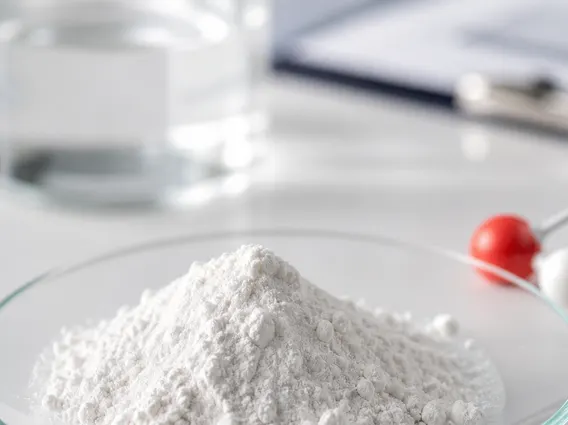
For individuals seeking to supplement their intake, lactoferrin supplement information is widely available. These supplements are typically derived from bovine milk and are processed to ensure purity and efficacy. They come in various forms, including capsules, powders, and sometimes added to fortified foods or infant formulas. When considering a lactoferrin supplement, it is advisable to consult with a healthcare professional to determine appropriate dosage and potential interactions, especially for those with underlying health conditions or allergies to dairy products. While generally considered safe, adherence to recommended dosages is important.