Renal Failure
Renal Failure, also known as kidney failure, is a severe medical condition where the kidneys lose their ability to adequately filter waste products from the blood. This vital organ dysfunction can lead to a dangerous accumulation of toxins in the body, significantly impacting overall health.

Key Takeaways
- Renal Failure signifies a critical loss of kidney function, leading to waste buildup.
- Early symptoms of kidney failure can be subtle, progressing to more severe signs like fatigue and swelling.
- Common causes of renal failure include chronic diseases such as diabetes and high blood pressure.
- Treatment for kidney failure ranges from medication and lifestyle adjustments to dialysis and kidney transplantation.
What is Renal Failure?
Renal Failure refers to a medical condition in which the kidneys are no longer able to adequately remove waste products and excess fluid from the body. This critical decline in kidney function leads to a buildup of toxins, electrolytes, and fluid, which can become life-threatening if not managed. The condition can manifest in two primary forms: acute renal failure, which occurs suddenly and may be reversible, and chronic renal failure, which develops gradually over time and is often progressive and irreversible.
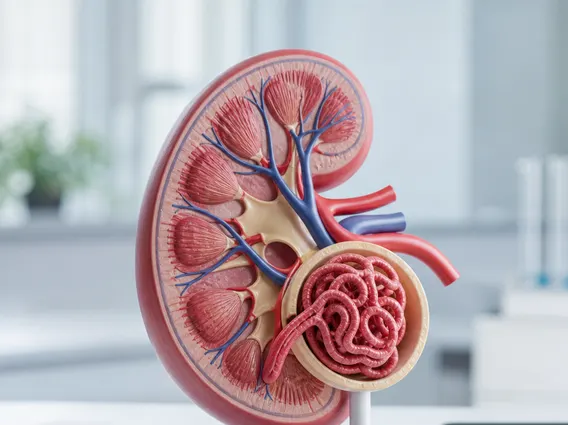
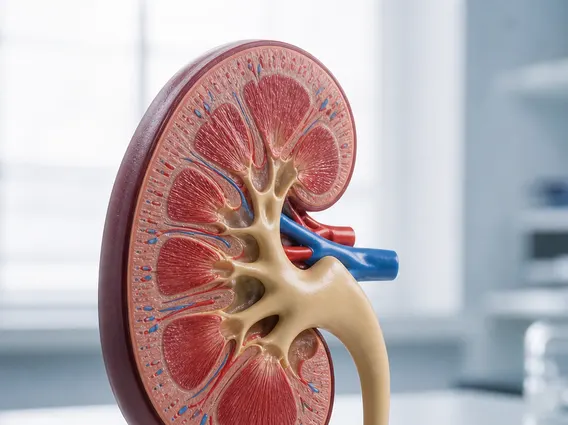
The kidneys play a crucial role in maintaining overall health by filtering blood, producing urine, regulating blood pressure, and stimulating red blood cell production. When they fail, these essential functions are compromised, leading to systemic health issues.
Identifying Symptoms and Causes of Kidney Failure
Recognizing the symptoms of kidney failure is crucial for early diagnosis and intervention. These symptoms often develop gradually in chronic cases and can be non-specific, making them easy to overlook initially. As kidney function declines, waste products accumulate, leading to a range of noticeable signs. Common indicators include:
- Fatigue and weakness.
- Swelling in the legs, ankles, or feet.
- Reduced or increased urine output.
- Nausea, vomiting, and loss of appetite.
- Muscle cramps or twitching.
- Difficulty concentrating and sleeping problems.
The underlying causes of renal failure are diverse, but chronic diseases are frequently implicated. According to the Centers for Disease Control and Prevention (CDC), chronic kidney disease (CKD), which can progress to renal failure, affects more than 1 in 7 U.S. adults, with diabetes and high blood pressure being the leading causes. Other significant causes include glomerulonephritis, an inflammation of the kidney’s filtering units; polycystic kidney disease, a genetic disorder; and prolonged obstruction of the urinary tract. Identifying and managing these root causes is essential in preventing or slowing the progression of kidney damage.
Treatment Options for Renal Failure
The approach to treatment for kidney failure depends on whether the condition is acute or chronic, its underlying cause, and the severity of kidney damage. For acute renal failure, treatment often focuses on addressing the immediate cause, such as managing infection or restoring blood flow. In many cases, acute kidney failure can be reversed if treated promptly.
For chronic renal failure, the primary goals are to slow the progression of kidney damage, manage symptoms, and prevent complications. This typically involves a combination of medical therapies, lifestyle adjustments, and, in advanced stages, kidney replacement therapy. Medical management may include medications to control blood pressure, manage diabetes, reduce cholesterol, and balance electrolytes. Dietary changes, such as restricting sodium, potassium, and phosphorus intake, are also vital.
When kidneys can no longer sustain life, kidney replacement therapy becomes necessary. The main options include:
- Dialysis: This artificial process removes waste products and excess fluid from the blood. Hemodialysis filters blood through an external machine, typically several times a week. Peritoneal dialysis uses the lining of the abdomen to filter blood, often performed at home.
- Kidney Transplant: This surgical procedure involves placing a healthy kidney from a deceased or living donor into the patient’s body. A successful transplant can restore kidney function and significantly improve quality of life.
It is important for individuals with renal failure to work closely with their healthcare team to develop a personalized treatment plan. Any information regarding alternative or complementary therapies should be discussed with a medical professional, as it is supportive only and does not replace conventional medical treatment.