Renal Artery
The renal artery is a vital blood vessel responsible for supplying oxygenated blood to the kidneys, playing a crucial role in the body’s filtration system and overall health. Understanding its structure and function is essential for comprehending kidney health and related medical conditions.
Key Takeaways
- The renal artery originates from the aorta and delivers blood to the kidneys for filtration.
- It is fundamental for kidney function, enabling waste removal, fluid balance, and hormone production.
- Its anatomy involves a complex branching system that ensures blood reaches every part of the kidney.
- Symptoms of renal artery disease, such as high blood pressure, can indicate serious underlying issues.
- Early detection and management of renal artery conditions are crucial for preserving kidney health.
What is the Renal Artery?
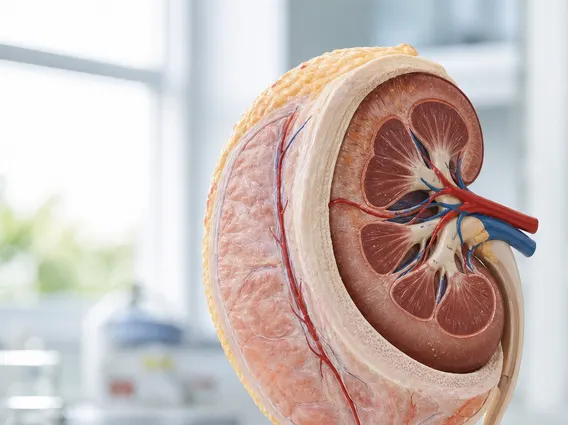
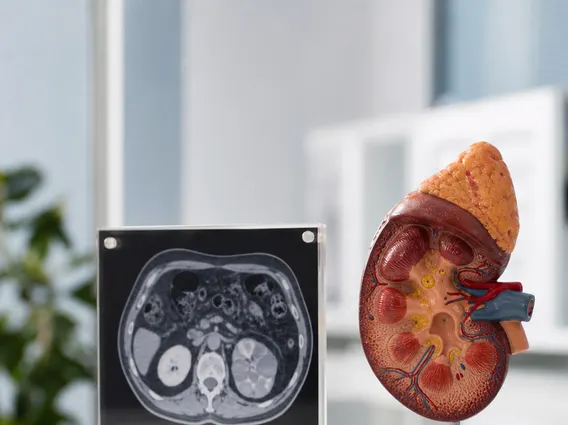
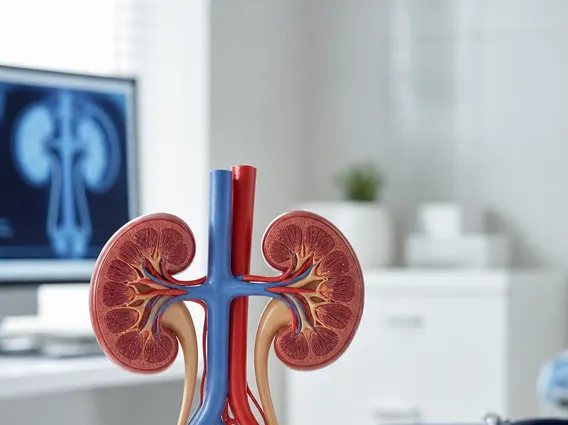
The renal artery is a pair of arteries that branch off the abdominal aorta, the body’s largest artery, and supply blood to the kidneys. Typically, there is one renal artery for each kidney, situated on either side of the aorta. These arteries are critical for kidney function, delivering a substantial volume of blood—approximately 20-25% of the heart’s output—directly to the kidneys for processing. This continuous blood flow is indispensable for the kidneys to perform their primary roles, including filtering waste products from the blood, regulating blood pressure, and maintaining electrolyte balance.
The integrity and proper functioning of the renal arteries are paramount for maintaining overall physiological homeostasis. Any compromise to these vessels, such as narrowing or blockage, can significantly impair kidney function and lead to a range of health complications, underscoring their importance in the cardiovascular and urinary systems.
Renal Artery Anatomy and Function
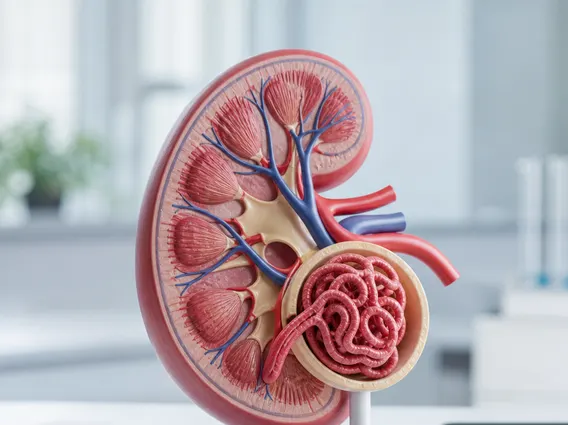
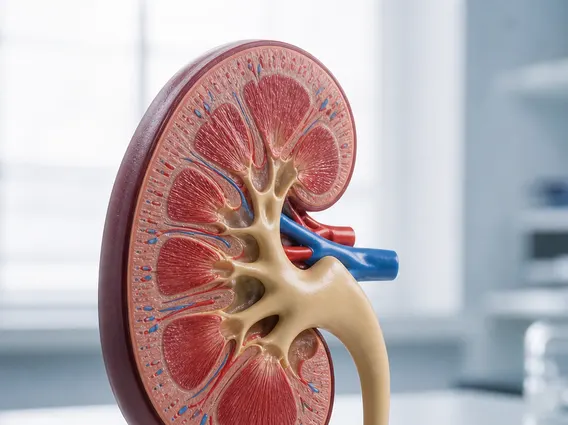
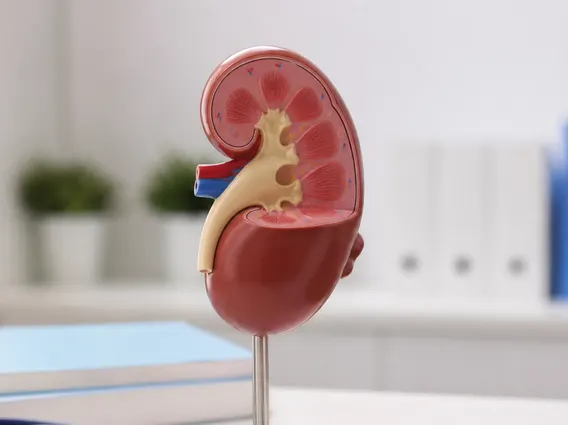
The renal artery anatomy is intricate, designed to efficiently distribute blood throughout the kidney. Upon entering the kidney at the hilum, each renal artery typically divides into several segmental arteries. These segmental arteries further branch into interlobar arteries, which travel between the renal pyramids. They then give rise to arcuate arteries, curving over the bases of the pyramids, and finally, interlobular arteries, extending into the renal cortex. This extensive arterial network ensures that blood reaches the nephrons, the functional units of the kidney where filtration occurs.
The primary renal artery function is to transport oxygenated blood and nutrients to the kidneys, facilitating their vital processes. These functions include:
- Blood Filtration: Delivering blood to the glomeruli within the nephrons, where waste products, toxins, and excess water are filtered out.
- Waste Removal: Enabling the kidneys to excrete metabolic waste products, such as urea and creatinine, through urine.
- Fluid and Electrolyte Balance: Supplying blood for the kidneys to regulate the body’s water content and balance essential electrolytes like sodium, potassium, and calcium.
- Hormone Production: Supporting the kidneys’ role in producing hormones such as erythropoietin (which stimulates red blood cell production), renin (involved in blood pressure regulation), and calcitriol (the active form of vitamin D).
Without adequate blood supply via the renal arteries, the kidneys cannot perform these critical functions, leading to systemic health issues.
Symptoms of Renal Artery Disease
Renal artery disease symptoms often manifest when the arteries become narrowed or blocked, a condition most commonly known as renal artery stenosis. This narrowing typically results from atherosclerosis, the buildup of plaque in the arteries, or fibromuscular dysplasia, an abnormal cell growth in the artery walls. The reduced blood flow to the kidneys can trigger a cascade of problems, with the most prominent symptom being high blood pressure that is difficult to control with standard medications.
Other symptoms and signs that may indicate renal artery disease include:
- Resistant Hypertension: High blood pressure that does not respond well to multiple antihypertensive medications.
- Worsening Kidney Function: A decline in kidney function, often detected through blood tests showing elevated creatinine levels.
- Fluid Retention: Swelling in the legs, ankles, or feet due to the kidneys’ inability to properly excrete excess fluid.
- Flash Pulmonary Edema: Sudden, severe shortness of breath caused by fluid accumulation in the lungs, often recurrent.
- Abdominal Bruit: A whooshing sound heard with a stethoscope over the abdomen, indicating turbulent blood flow through a narrowed renal artery.
Renal artery stenosis is a significant cause of secondary hypertension, affecting approximately 1-5% of all hypertensive patients, and its prevalence increases with age and in individuals with other cardiovascular risk factors such as diabetes and hyperlipidemia. Early diagnosis and treatment are crucial to prevent irreversible kidney damage and manage associated cardiovascular risks. If these symptoms are present, medical evaluation is recommended to determine the underlying cause and appropriate course of action.