Iron
Iron is an essential mineral that plays a critical role in numerous biological processes within the human body. Beyond its physiological importance, it is also a fundamental element with distinct chemical properties and widespread industrial applications.
Key Takeaways
- Iron is a vital mineral crucial for oxygen transport, energy production, and cellular function.
- It is a metallic element with unique properties, making it indispensable in various industries, particularly in the production of steel.
- Adequate Iron levels are essential for preventing conditions like Iron deficiency anemia and supporting overall health and cognitive function.
- Iron is abundant in both natural environments, such as the Earth’s crust, and a variety of dietary sources, including both animal and plant-based foods.
- Maintaining a balanced intake of Iron is important for health, as both deficiency and excessive accumulation can lead to adverse health outcomes.
What is Iron: Definition, Properties, and Uses
Iron (Fe) is a transition metal and the fourth most abundant element in the Earth’s crust. In a medical and clinical context, Iron refers to this essential trace mineral vital for human health. As an element, it is characterized by its silvery-gray appearance, ductility, malleability, and strong magnetic properties. It is also highly reactive, readily forming oxides (rust) when exposed to oxygen and moisture; its atomic structure and chemical behavior underpin its diverse roles.
The properties and uses of iron metal are extensive. Its strength and affordability make it the most widely used metal globally, primarily in the form of steel—an alloy of Iron and carbon—fundamental to construction, automotive manufacturing, machinery, and infrastructure. Beyond industrial applications, Iron compounds are used in pigments, water purification, and some medical diagnostic tools. In biological systems, its ability to exist in multiple oxidation states (Fe2+ and Fe3+) is crucial for its function in electron transfer reactions.
Iron’s Importance in Human Health
The importance of iron in human health is paramount, as it is indispensable for several vital physiological processes. Its primary role is in the formation of hemoglobin, a protein in red blood cells responsible for transporting oxygen from the lungs to all tissues. Without sufficient Iron, the body cannot produce enough healthy red blood cells, leading to Iron deficiency anemia, which can manifest as fatigue, weakness, shortness of breath, and impaired cognitive function.
Beyond oxygen transport, Iron is a crucial component of myoglobin, storing oxygen in muscle cells, and is integral to various enzymes involved in energy production, DNA synthesis, and immune function. Maintaining adequate Iron levels is particularly important for pregnant women, growing children, and individuals with chronic blood loss. According to the World Health Organization (WHO), Iron deficiency remains the most prevalent nutritional deficiency globally, impacting productivity and quality of life.
While deficiency is common, excessive accumulation of Iron can also be harmful. Conditions like hemochromatosis, a genetic disorder, lead to the body absorbing too much Iron, which can deposit in organs such as the liver, heart, and pancreas, causing damage and dysfunction. Therefore, a balanced intake of Iron, typically through diet, is crucial for overall health.
Natural Sources of Iron
Iron is found in nature in various forms, and understanding its sources is key to ensuring adequate dietary intake. It is naturally abundant in the Earth’s crust, primarily in mineral forms such as hematite (iron oxide) and magnetite, which are mined for industrial use. In biological systems, Iron is found in a wide variety of foods, categorized into two main types: heme Iron and non-heme Iron.
Heme Iron is found exclusively in animal products and is more readily absorbed by the body. Excellent sources include:
- Red meat (beef, lamb, pork)
- Poultry (chicken, turkey)
- Fish (tuna, salmon, sardines)
- Organ meats (liver)
Non-heme Iron is found in both plant-based foods and fortified products. While its absorption is influenced by other dietary factors, it still contributes significantly to overall Iron intake. Good sources of non-heme Iron include:
- Legumes (beans, lentils, chickpeas)
- Spinach and other dark leafy greens
- Fortified cereals and breads
- Nuts and seeds
- Dried fruits (raisins, apricots)
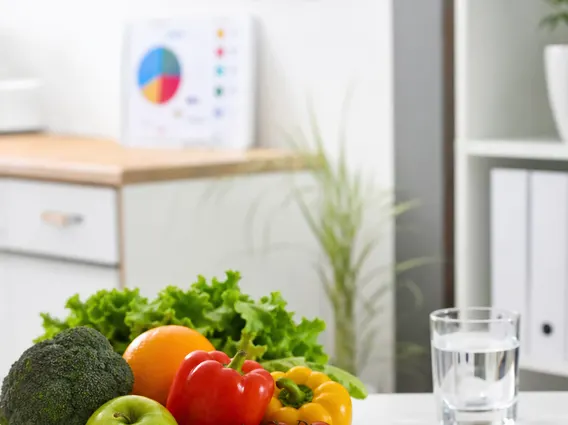
Combining non-heme Iron sources with vitamin C-rich foods (e.g., citrus fruits, bell peppers) can significantly enhance its absorption. For individuals with dietary restrictions or specific medical conditions, Iron supplements may be recommended by a healthcare professional. This information is supportive only and does not replace medical treatment or professional advice.