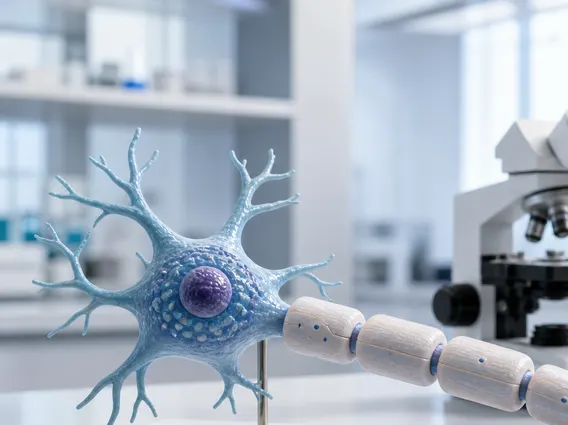
Neurodegenerative Disorder
Neurodegenerative disorders represent a diverse group of conditions characterized by the progressive degeneration and death of nerve cells in the brain or peripheral nervous system. These diseases lead to a gradual decline in cognitive function, motor skills, and other vital bodily functions.

Key Takeaways
- Neurodegenerative Disorder refers to conditions involving the progressive loss of neurons, leading to functional decline.
- Causes are often multifactorial, including genetic predispositions, environmental factors, and the aging process.
- Symptoms vary but commonly include cognitive impairment, motor difficulties, and behavioral changes.
- Major types include Alzheimer’s, Parkinson’s, and Huntington’s disease, each with distinct characteristics.
- Current research focuses on early diagnosis, understanding disease mechanisms, and developing new therapeutic strategies.
What is Neurodegenerative Disorder?
A Neurodegenerative Disorder is a broad term encompassing conditions that primarily affect neurons in the human brain. These neurons, which are the building blocks of the nervous system, gradually lose function and eventually die. This progressive neuronal loss leads to a deterioration of brain function, impacting memory, movement, balance, speech, and other cognitive abilities. Unlike some other diseases, neurodegenerative disorders are typically chronic and progressive, meaning they worsen over time.
Globally, millions of individuals are affected by these conditions. For instance, according to the World Health Organization (WHO), neurological disorders, including neurodegenerative diseases, are the leading cause of disability-adjusted life years and the second leading cause of death globally. The impact extends beyond the individual, significantly affecting families and healthcare systems worldwide.
Causes and Symptoms of Neurodegenerative Disease
The precise Causes and symptoms of neurodegenerative disease are complex and often multifactorial, involving a combination of genetic, environmental, and lifestyle factors. While aging is the most significant risk factor, specific genetic mutations are known to cause or increase susceptibility to certain conditions. Environmental toxins, head injuries, and certain infections are also being investigated for their potential roles. A common underlying mechanism involves the abnormal accumulation and misfolding of proteins within brain cells, leading to cellular dysfunction and death.
Symptoms vary widely depending on the specific disorder and the brain regions affected, but they generally progress from subtle to severe over time. Common symptoms can include:
- Cognitive Impairment: Memory loss, difficulty with language, impaired judgment, and problems with problem-solving.
- Motor Dysfunction: Tremors, rigidity, slowness of movement (bradykinesia), balance issues, and difficulty with coordination.
- Psychiatric and Behavioral Changes: Depression, anxiety, apathy, hallucinations, and personality shifts.
- Autonomic Dysfunction: Issues with blood pressure regulation, digestion, and bladder control.
Early recognition of these symptoms is crucial for timely diagnosis and management, although definitive cures are not yet available for most neurodegenerative conditions.
Types of Neurodegenerative Conditions and Research Advances
There are numerous Types of neurodegenerative conditions, each with distinct pathological features and clinical presentations. Some of the most prevalent include Alzheimer’s disease, Parkinson’s disease, Huntington’s disease, and Amyotrophic Lateral Sclerosis (ALS). These conditions differ in their primary affected brain regions and the specific proteins involved in their pathology. For instance, Alzheimer’s disease is characterized by amyloid plaques and tau tangles, primarily affecting memory and cognitive functions, while Parkinson’s disease involves the loss of dopamine-producing neurons, leading to motor symptoms.
Here’s a brief overview of some major types:
| Condition | Primary Affected Area | Key Symptoms |
|---|---|---|
| Alzheimer’s Disease | Hippocampus, Cerebral Cortex | Memory loss, cognitive decline, confusion |
| Parkinson’s Disease | Substantia Nigra | Tremors, rigidity, bradykinesia, postural instability |
| Huntington’s Disease | Basal Ganglia | Involuntary movements (chorea), cognitive decline, psychiatric issues |
| Amyotrophic Lateral Sclerosis (ALS) | Motor Neurons (brain & spinal cord) | Muscle weakness, atrophy, difficulty speaking, swallowing, breathing |
Neurodegenerative disorder research updates are continuously advancing, offering hope for improved treatments and potential cures. Current research focuses on several key areas, including identifying biomarkers for early diagnosis, developing disease-modifying therapies that target the underlying pathology (e.g., protein misfolding), and exploring neuroprotective strategies. Gene therapy, stem cell research, and precision medicine approaches are also at the forefront of innovation. For example, clinical trials are investigating new drugs to clear amyloid-beta plaques in Alzheimer’s disease and therapies to slow motor neuron degeneration in ALS. These efforts aim not only to alleviate symptoms but also to halt or reverse the progression of these devastating diseases.