Ndv
Ndv is a medical term that refers to a complex physiological or pathological state requiring careful diagnosis and management. Understanding this condition is crucial for both patients and healthcare providers to ensure effective care.
Key Takeaways
- Ndv is a medical condition or process that impacts various bodily functions.
- Its causes are often multifactorial, involving genetic, environmental, and lifestyle elements.
- Symptoms of Ndv can be diverse and non-specific, making early detection challenging.
- Diagnosis typically involves a combination of medical history, physical examination, and specialized tests.
- Treatment approaches are highly individualized, focusing on symptom management and disease progression.
What is Ndv?
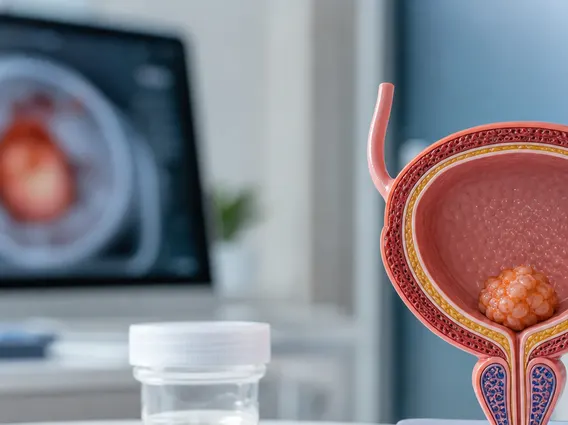
The term Ndv refers to a distinct medical entity characterized by specific physiological disruptions or pathological changes within the body. While the precise nature of Ndv can vary depending on its subtype or manifestation, it generally involves processes that impact cellular function, organ systems, or overall homeostatic balance. The Ndv meaning often points to a condition that requires a comprehensive understanding of its underlying mechanisms to facilitate effective clinical management. This medical term is critical in oncology and clinical settings, guiding research and treatment protocols.
The Ndv definition encompasses a spectrum of conditions, from acute presentations to chronic states, each with its unique set of characteristics. It is not a singular disease but rather a classification that helps medical professionals categorize and address complex health challenges. Further information about Ndv highlights its significance in understanding disease progression and developing targeted therapeutic interventions. According to general medical consensus, conditions of this nature often present with varying prevalence globally, underscoring the need for continued research and public health awareness.
Causes and Symptoms of Ndv
The causes of Ndv are often multifactorial, stemming from a combination of genetic predispositions, environmental exposures, and lifestyle factors. In some instances, Ndv may arise from inherited genetic mutations that disrupt normal cellular processes, while in others, it could be triggered by external agents such as certain pathogens, toxins, or chronic inflammation. The interplay between these factors determines the onset and progression of the condition.
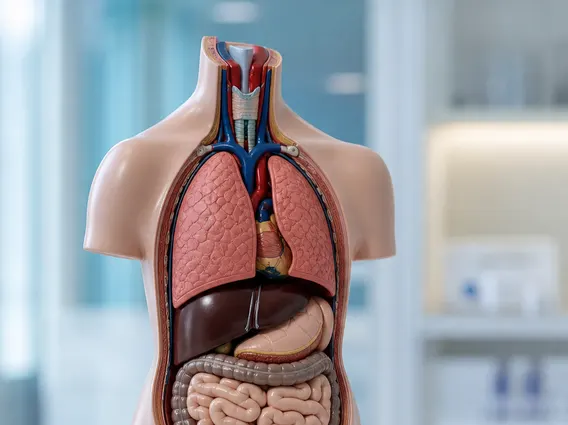
Symptoms associated with Ndv can be diverse and non-specific, making early diagnosis challenging. They often reflect the particular organ system or physiological pathway affected. Common symptoms might include:
- Persistent fatigue and weakness
- Unexplained weight changes (gain or loss)
- Localized pain or discomfort that does not resolve
- Changes in appetite or digestive patterns
- Neurological disturbances such as dizziness, numbness, or tingling
It is important to note that the severity and presentation of these symptoms can vary significantly among individuals, influenced by the specific subtype of Ndv and the patient’s overall health status. Recognizing these subtle signs and seeking medical attention promptly is crucial for timely intervention.
Diagnosing and Treating Ndv
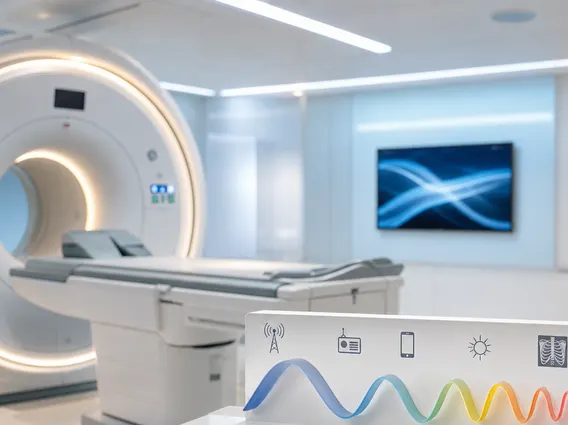
Diagnosing Ndv typically involves a multi-pronged approach, combining a thorough review of the patient’s medical history, a comprehensive physical examination, and a series of specialized diagnostic tests. These tests may include blood analyses to detect specific biomarkers, imaging studies (such as MRI or CT scans) to visualize affected tissues or organs, and biopsies for microscopic examination. The goal is to accurately identify the presence of Ndv, determine its subtype, and assess the extent of its impact on the body.
Treatment strategies for Ndv are highly individualized and depend on the specific diagnosis, the stage of the condition, and the patient’s overall health. While there is no universal cure for all manifestations of Ndv, treatment aims to manage symptoms, slow disease progression, and improve quality of life. Common therapeutic approaches may include pharmacological interventions, such as targeted medications or immunotherapies; lifestyle modifications, including dietary changes and exercise regimens; and supportive care to alleviate symptoms and address complications. In some cases, surgical procedures may be considered to remove affected tissues or correct structural abnormalities.
Ongoing research continues to explore novel treatments and diagnostic tools for Ndv, offering hope for improved outcomes. Patients are encouraged to work closely with their healthcare team to develop a personalized treatment plan and to stay informed about the latest advancements in Ndv management.