Drain
A medical Drain is a crucial device used in various medical procedures to remove unwanted fluids from a surgical site or body cavity. These devices play a vital role in preventing complications, promoting healing, and ensuring patient comfort after surgery or in certain medical conditions.
Key Takeaways
- Medical drains are used to remove excess fluid, blood, or pus from surgical sites or body cavities.
- They are essential for preventing complications like hematoma, seroma, and infection.
- Different types of drains exist, including active (suction) and passive (gravity) systems, each suited for specific clinical needs.
- Proper management, including regular emptying and site care, is critical for effective drain function and infection prevention.
- Patients with drains require education on care, signs of complications, and when to seek medical advice.
What is a Medical Drain?
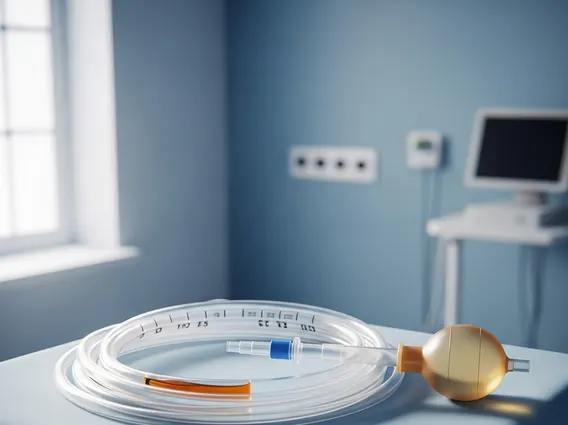
A medical Drain is a tube-like device inserted into the body, typically after surgery, to facilitate the removal of fluid accumulation. This fluid can include blood, pus, or serous fluid, which, if left to collect, could lead to complications such as infection, delayed wound healing, or discomfort. The primary goal of a drain is to create a clear space for tissues to heal and reduce pressure on the surgical site.
A medical drain system operates by creating a pathway for fluid to exit the body. This can be achieved through two main mechanisms:
- Passive Drainage: These systems rely on gravity and the pressure differential between the body cavity and the collection bag. Fluid simply flows out through the tube. Examples include Penrose drains.
- Active Drainage: These systems use suction to actively pull fluid from the surgical site. A vacuum is created in a collection bulb or canister, which draws fluid through the drain tube. Examples include Jackson-Pratt (JP) drains and Hemovac drains. The collected fluid is then measured and disposed of, providing clinicians with important information about the healing process and potential complications.
Types and Purpose of Surgical Drains
Surgical drains are categorized based on their mechanism and design, each serving specific purposes depending on the surgical procedure and the type of fluid expected. The choice of drain depends on factors such as the volume and viscosity of fluid, the location of the surgical site, and the surgeon’s preference.
Here are common types of surgical drains:
- Penrose Drain: A soft, flat rubber tube that allows fluid to exit by capillary action and gravity. It is typically placed in superficial wounds or abscesses.
- Jackson-Pratt (JP) Drain: A closed-suction drain with a perforated bulb that creates negative pressure to draw fluid out. Commonly used after breast surgery, abdominal surgery, or orthopedic procedures.
- Hemovac Drain: Similar to a JP drain but with a larger, spring-loaded canister for higher volume suction. Often used in orthopedic and reconstructive surgeries.
- T-tube Drain: Shaped like a “T,” this drain is often placed in the common bile duct after gallbladder or bile duct surgery to ensure bile flow and prevent strictures.
- Pigtail Catheter: A thin, coiled catheter often used for percutaneous drainage of abscesses or fluid collections in various body cavities.
The purpose of these drains extends beyond fluid removal. They help reduce dead space, minimize hematoma (blood clot) and seroma (fluid collection) formation, and allow for monitoring of fluid output, which can indicate bleeding or infection. According to a review published in the Journal of Clinical Outcomes Management, surgical drains are widely used, with estimates suggesting their use in a significant percentage of major abdominal and thoracic surgeries to prevent postoperative complications.
Managing and Caring for Your Drain
Effective management and care of a medical drain are crucial for preventing complications and ensuring optimal healing. Patients or caregivers are typically provided with specific instructions for drain care at home.
While generally safe, medical drains can sometimes present issues that require attention:
- Infection: The drain site is a potential entry point for bacteria. Signs include redness, swelling, warmth, pain, or pus around the insertion site, and fever.
- Blockage: Drains can become clogged with clots or tissue, preventing fluid removal. This may manifest as decreased output despite fluid accumulation at the surgical site.
- Dislodgement: The drain can accidentally pull out.
- Pain or Discomfort: While some discomfort is normal, severe or increasing pain should be reported.
Drain Care Best Practices
| Aspect of Care | Guidance |
|---|---|
| Emptying the Drain | Empty regularly (e.g., every 8-12 hours or as instructed) before the collection bulb/canister is full. Measure and record fluid volume, color, and consistency. |
| Site Care | Keep the insertion site clean and dry. Follow instructions for dressing changes, typically using sterile technique to prevent infection. |
| Securing the Drain | Ensure the drain is securely fastened to clothing or dressings to prevent accidental pulling or dislodgement. Avoid tension on the tube. |
| Monitoring Output | Note any significant changes in fluid volume (sudden increase or decrease), color (e.g., bright red blood, cloudy), or odor. |
| Bathing | Follow specific instructions regarding showering or bathing to keep the drain site dry. Sponge baths may be recommended initially. |
It is important to contact your healthcare provider immediately if you experience signs of infection, sudden changes in drain output, severe pain, or if the drain becomes dislodged. Proper education and adherence to care instructions significantly reduce the risk of complications and support a smooth recovery.