Dosimetry
Dosimetry is a critical field in medicine, particularly in oncology and radiation safety. It involves the precise measurement and calculation of radiation doses, ensuring both therapeutic effectiveness and patient protection.
Key Takeaways
- Dosimetry is the scientific discipline focused on measuring and calculating absorbed radiation doses.
- It is essential in medical applications, such as radiation therapy, and for ensuring radiation safety in various environments.
- Dosimetrists utilize a range of instruments and computational methods to accurately determine dose distribution.
- Different types of dosimetry, including clinical and health physics, are applied based on specific exposure scenarios.
- Accurate dosimetry is vital for patient safety, treatment efficacy, and compliance with regulatory standards.
What is Dosimetry?
Dosimetry refers to the scientific field concerned with the measurement and calculation of absorbed doses in matter and biological systems due to exposure to ionizing radiation. This discipline is fundamental to understanding how radiation interacts with living tissue and various materials. Its primary goal is to quantify the amount of energy deposited by radiation, which directly correlates with potential biological effects or therapeutic outcomes.
The principles underlying dosimetry involve complex physics, including radiation transport and interaction mechanisms. In clinical settings, particularly in radiation oncology, accurate dosimetry is paramount for delivering precise radiation doses to tumors while minimizing exposure to healthy surrounding tissues. This precision is vital for maximizing treatment efficacy and reducing adverse side effects for patients undergoing therapies such as external beam radiation therapy or brachytherapy.
Principles and Methods of Dosimetry
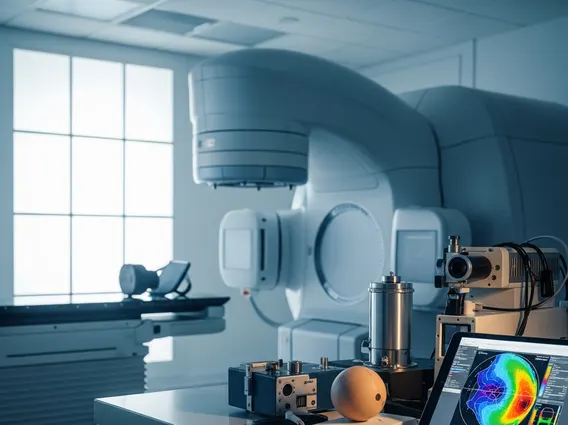
Understanding how dosimetry works involves applying physical principles to quantify radiation energy deposition. The core principle is the measurement of energy absorbed per unit mass, expressed in Grays (Gy). This absorption can occur directly through ionization and excitation events, or indirectly via secondary particles generated by radiation interactions. Dosimetrists employ a range of sophisticated instruments and computational models to achieve accurate dose measurements and calculations.
Common methods and instruments used in dosimetry include:
- Ionization Chambers: These devices measure the charge produced by ionization in a gas, which is proportional to the absorbed dose. They are widely used for calibrating radiation beams.
- Thermoluminescent Dosimeters (TLDs): TLDs store energy when exposed to radiation and release it as light upon heating. The amount of light emitted is proportional to the absorbed dose, making them useful for personal monitoring and in vivo dosimetry.
- Optically Stimulated Luminescence (OSL) Dosimeters: Similar to TLDs, OSLs release light when stimulated by light (instead of heat), providing a measure of the absorbed dose. They offer high sensitivity and reusability.
- Semiconductor Detectors: Diodes and MOSFETs (Metal-Oxide-Semiconductor Field-Effect Transistors) can be used to measure radiation dose, particularly for in vivo measurements due to their small size.
- Monte Carlo Simulations: These are computational methods that simulate the transport and interaction of individual radiation particles, providing highly accurate dose distributions in complex geometries.
These methods are selected based on the specific application, required accuracy, and the type of radiation being measured.
Types and Importance of Dosimetry
There are several types of dosimetry, each tailored to specific applications and exposure scenarios. These can broadly be categorized based on the context of radiation exposure:
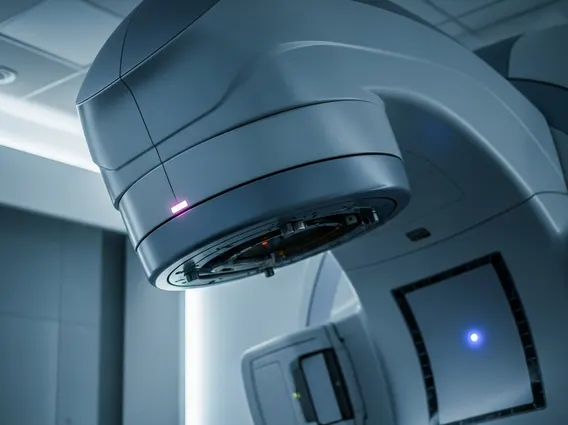
- Clinical Dosimetry: This is central to radiation therapy in cancer treatment. It involves precisely planning and verifying the radiation dose delivered to a patient’s tumor while sparing healthy tissues. This includes both external beam dosimetry (e.g., using linear accelerators) and internal dosimetry (e.g., brachytherapy, where radioactive sources are placed inside or next to the tumor).
- Health Physics Dosimetry (Radiation Protection Dosimetry): Focused on protecting individuals and the public from the harmful effects of radiation. It involves monitoring occupational exposure for workers in nuclear facilities, medical imaging departments, and research laboratories. Personal dosimeters are commonly used for this purpose.
- Environmental Dosimetry: Concerned with measuring radiation levels in the environment, often after nuclear incidents or to monitor naturally occurring background radiation.
The importance of dosimetry cannot be overstated, especially in medical and safety contexts. Accurate dosimetry is fundamental for:
- Patient Safety: Ensuring that therapeutic radiation doses are effective without causing undue harm to healthy tissues. Miscalculations can lead to severe side effects or ineffective treatment.
- Treatment Efficacy: Optimizing radiation delivery to maximize tumor control and improve patient outcomes in oncology.
- Radiation Protection: Safeguarding radiation workers and the general public by monitoring exposure levels and ensuring compliance with regulatory limits. For instance, according to the International Atomic Energy Agency (IAEA), robust dosimetry programs are essential for maintaining occupational radiation safety standards globally.
- Regulatory Compliance: Adhering to national and international standards and guidelines for radiation safety and medical device calibration.
In conclusion, dosimetry is an indispensable scientific discipline that underpins the safe and effective use of ionizing radiation across various fields, from life-saving medical treatments to ensuring public health and safety.