Dolastatin 10
Dolastatin 10 is a naturally occurring peptide isolated from marine organisms, recognized for its potent cytotoxic properties. This compound has attracted significant scientific interest due to its potential applications in oncology research.
Key Takeaways
- Dolastatin 10 is a powerful antineoplastic agent derived from the sea hare Dolabella auricularia.
- Its primary mechanism involves disrupting microtubule dynamics, which is crucial for cell division.
- The compound exhibits strong cytotoxic effects against various cancer cell lines in preclinical studies.
- Ongoing research explores its potential as a therapeutic agent, either alone or in combination with other treatments.
- Understanding its unique chemical structure and biological activity is key to developing new cancer therapies.
What is Dolastatin 10: Compound Information
Dolastatin 10 refers to a highly potent antineoplastic depsipeptide originally isolated from the marine mollusk Dolabella auricularia, commonly known as the sea hare. This natural product is part of a family of dolastatins, which are renowned for their significant biological activities, particularly their ability to inhibit cell proliferation. Its discovery in marine invertebrates highlights the ocean’s potential as a source of novel therapeutic compounds.
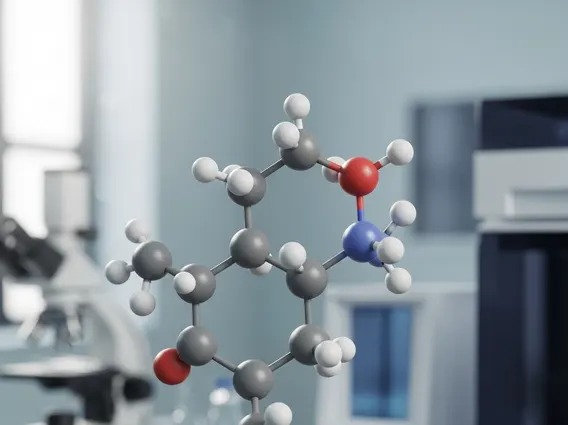
The chemical structure of Dolastatin 10 is complex, characterized by a unique sequence of unusual amino acid residues. This intricate molecular architecture is responsible for its potent biological effects. Detailed dolastatin 10 compound information reveals it is a linear pentapeptide, which has been a subject of extensive synthetic efforts to produce analogs with improved pharmacological profiles or reduced toxicity. Its distinct chemical properties make it a valuable lead compound in drug discovery, particularly in the development of anti-cancer agents.
Mechanism of Action of Dolastatin 10
The primary dolastatin 10 mechanism of action involves its potent disruption of microtubule dynamics, a critical process for cell division and intracellular transport. Microtubules are essential components of the cytoskeleton, forming the mitotic spindle necessary for chromosome segregation during mitosis. Dolastatin 10 binds to tubulin, the protein subunit of microtubules, at or near the vinca alkaloid binding site, thereby inhibiting tubulin polymerization.
By interfering with microtubule assembly, Dolastatin 10 prevents the formation of a functional mitotic spindle, leading to mitotic arrest. Cells exposed to Dolastatin 10 typically accumulate in the G2/M phase of the cell cycle, triggering apoptotic pathways. This disruption of cell division is a highly effective strategy against rapidly proliferating cancer cells. Key aspects of its mechanism include:
- Inhibition of tubulin polymerization, preventing microtubule formation.
- Disruption of the mitotic spindle, leading to metaphase arrest.
- Induction of apoptosis in cancer cells due to sustained mitotic block.
- Potent cytotoxicity across a broad spectrum of human cancer cell lines.
This specific interaction with tubulin makes Dolastatin 10 a powerful antimitotic agent, similar to other drugs like vinca alkaloids and taxanes, but with a distinct binding profile and potentially unique therapeutic advantages.
Dolastatin 10 Research and Therapeutic Potential
Extensive dolastatin 10 research studies have explored its potential as an anti-cancer agent. Preclinical investigations have demonstrated its remarkable efficacy against a wide range of human cancer cell lines, including those resistant to conventional chemotherapies. Its potent cytotoxic activity has made it a promising candidate for further development, leading to the synthesis of numerous analogs and conjugates designed to enhance its therapeutic index and reduce systemic toxicity.
While Dolastatin 10 itself has faced challenges in clinical development due to its potent toxicity, its structural motifs have inspired the creation of several synthetic derivatives and drug conjugates. For instance, monomethyl auristatin E (MMAE) and monomethyl auristatin F (MMAF), which are synthetic analogs of dolastatin 10, have been successfully incorporated into antibody-drug conjugates (ADCs). These ADCs deliver the cytotoxic payload directly to cancer cells, minimizing systemic exposure and improving the therapeutic window. This innovative approach leverages the potent activity of Dolastatin 10’s core structure while addressing its limitations as a standalone drug, underscoring its enduring impact on oncology research and drug development.