
Distal Colon
The distal colon represents a crucial segment of the large intestine, playing a vital role in the digestive process and overall bodily health. Understanding its anatomy, functions, and associated conditions is essential for comprehending its significance in human physiology.
Key Takeaways
- The distal colon is the final section of the large intestine, comprising the descending and sigmoid colon, located in the left lower abdomen.
- Its primary functions include absorbing remaining water and electrolytes, storing fecal matter, and propelling waste towards the rectum for elimination.
- Common conditions affecting the distal colon include diverticular disease, inflammatory bowel disease (such as ulcerative colitis), and colorectal cancer.
- Symptoms like changes in bowel habits, abdominal pain, and rectal bleeding warrant medical evaluation due to the potential for serious conditions.
What is the Distal Colon and Where is it Located?
The Distal Colon refers to the final portion of the large intestine, extending from the splenic flexure (the bend in the colon near the spleen) down to the rectosigmoid junction, where it connects with the rectum. This segment is primarily composed of two parts: the descending colon and the sigmoid colon. The descending colon travels downwards on the left side of the abdomen, while the sigmoid colon, named for its S-shape, curves towards the midline and connects to the rectum.
Its location in the body is predominantly within the left lower quadrant of the abdomen and pelvis. This strategic position allows it to serve as a temporary storage site for fecal matter before elimination, facilitating the final stages of digestion and waste processing. The precise anatomical landmarks help clinicians identify and assess this region during diagnostic procedures.
Distal Colon Anatomy and Function
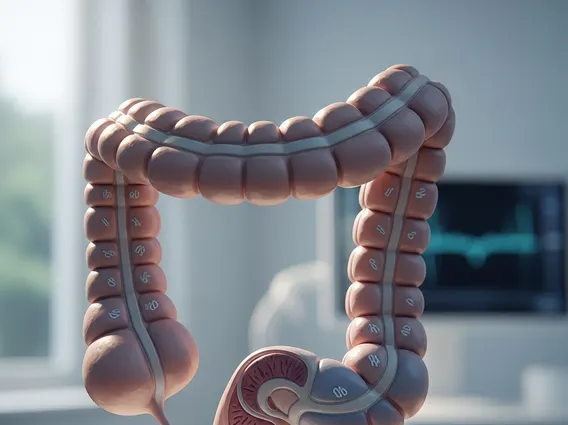
The anatomy of the distal colon is characterized by its muscular walls, which are essential for its propulsive function. Like other parts of the large intestine, it features haustra, which are sacculations that give it a segmented appearance, and taeniae coli, three distinct longitudinal bands of muscle that run along its length. These anatomical features work in concert to facilitate the movement of waste material.
The functions of the distal colon are critical for maintaining fluid balance and preparing waste for excretion. Its primary roles include:
- Water and Electrolyte Absorption: While most water absorption occurs in the proximal colon, the distal colon continues to absorb residual water and electrolytes, further solidifying the stool.
- Fecal Storage: It acts as a reservoir for fecal matter, allowing for controlled and infrequent bowel movements.
- Waste Propulsion: Strong muscular contractions, known as mass movements, push the formed stool towards the rectum, initiating the defecation reflex.
- Microbial Activity: The distal colon hosts a diverse community of gut bacteria that ferment undigested carbohydrates, producing short-chain fatty acids and contributing to overall gut health.
Common Distal Colon Diseases and Symptoms
Several conditions can affect the distal colon, leading to a range of symptoms that often necessitate medical attention. Early diagnosis and intervention are crucial for managing these diseases effectively.
Some of the common diseases include:
- Diverticular Disease: This condition involves the formation of small, bulging pouches (diverticula) in the lining of the colon, most commonly in the sigmoid colon. When these pouches become inflamed or infected, it leads to diverticulitis, causing symptoms like severe abdominal pain, fever, nausea, and changes in bowel habits.
- Inflammatory Bowel Disease (IBD): Ulcerative colitis, a type of IBD, primarily affects the colon and rectum, often starting in the distal colon. It causes chronic inflammation and ulcers in the lining of the large intestine. Symptoms include abdominal pain, bloody diarrhea, weight loss, and fatigue. According to the Centers for Disease Control and Prevention (CDC), an estimated 3 million U.S. adults were diagnosed with IBD in 2015.
- Colorectal Cancer: This type of cancer originates in the colon or rectum. The distal colon is a common site for colorectal cancer development. Symptoms can be subtle in early stages but may include changes in bowel habits (diarrhea or constipation), rectal bleeding, blood in stool, persistent abdominal discomfort, unexplained weight loss, and fatigue. Screening, such as colonoscopy, is vital for early detection.
- Irritable Bowel Syndrome (IBS): While a functional disorder rather than a structural disease, IBS often manifests with symptoms related to the distal colon, including abdominal pain, cramping, bloating, gas, and changes in bowel habits (diarrhea, constipation, or both) without any visible signs of damage or disease.
Recognizing symptoms such as persistent changes in bowel habits, unexplained abdominal pain, rectal bleeding, or unintended weight loss is important. These signs should prompt a consultation with a healthcare professional for proper evaluation and diagnosis.



















