Dilatation And Curettage
Dilatation And Curettage, commonly known as D&C, is a gynecological procedure involving the removal of tissue from the inside of the uterus. It is a frequently performed medical intervention for both diagnostic and therapeutic purposes.

Key Takeaways
- Dilatation And Curettage (D&C) is a common procedure to remove tissue from the uterus.
- It involves dilating the cervix and gently scraping or suctioning the uterine lining.
- D&C is performed for various reasons, including managing miscarriage, diagnosing abnormal bleeding, and removing uterine polyps.
- Recovery typically involves mild cramping and light bleeding for a few days to a week.
- Patients should follow post-procedure care instructions and monitor for signs of complications.
What is Dilatation And Curettage (D&C)?
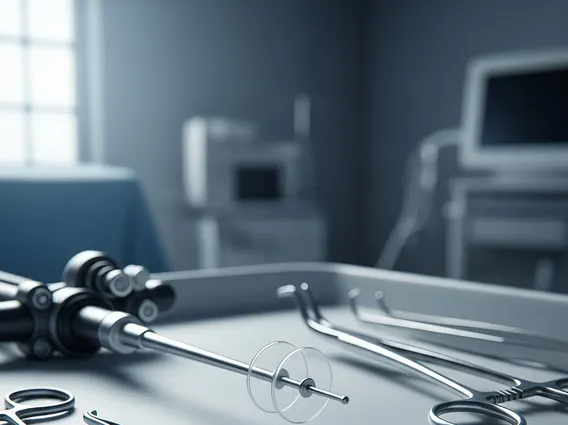
Dilatation And Curettage (D&C) is a surgical procedure that involves two main steps: dilatation and curettage. Dilatation refers to the widening of the cervix, the opening to the uterus, to allow instruments to pass through. Curettage involves the removal of tissue from the uterine lining, either by scraping with a spoon-shaped instrument called a curette or by suction. This procedure is typically performed in an operating room or outpatient surgical center under general or local anesthesia.
The D&C procedure explanation details how healthcare providers carefully access the uterine cavity. After cervical dilation, the surgeon gently inserts the curette or a suction device to remove the endometrial tissue. The removed tissue is then sent to a laboratory for pathological examination, which helps in diagnosing various uterine conditions. According to the American College of Obstetricians and Gynecologists (ACOG), D&C is a safe and effective procedure when performed by trained medical professionals.
Reasons for a Dilatation And Curettage (D&C)
There are several important reasons for D&C surgery, ranging from diagnostic investigations to therapeutic interventions. It is a versatile procedure used to address various gynecological concerns, often providing immediate relief or crucial diagnostic information. Understanding why a D&C might be recommended helps patients comprehend its significance in their medical care.
Common indications for a D&C include:
- Management of Miscarriage or Incomplete Abortion: To remove any remaining fetal tissue or placental fragments from the uterus, preventing infection and excessive bleeding.
- Diagnosis of Abnormal Uterine Bleeding: When women experience heavy, prolonged, or irregular bleeding, a D&C can help collect tissue samples to identify the cause, such as polyps, fibroids, or precancerous/cancerous conditions.
- Removal of Uterine Polyps or Fibroids: Small benign growths within the uterus that can cause bleeding or fertility issues may be removed during a D&C.
- Evaluation for Uterine Cancer: Tissue samples obtained during a D&C can be analyzed to detect or rule out endometrial cancer.
- Investigation of Infertility: In some cases, a D&C may be performed to assess the uterine lining for conditions that could affect implantation.
Dilatation And Curettage (D&C) Recovery and What to Expect
The dilatation and curettage recovery period typically involves a few days to a week of rest and monitoring. Most patients can return home on the same day as the procedure. It is common to experience some mild cramping, similar to menstrual cramps, and light vaginal bleeding or spotting for several days after the D&C. Over-the-counter pain relievers can usually manage any discomfort. It is advisable to avoid strenuous activities, heavy lifting, and sexual intercourse for at least one to two weeks, or as advised by your healthcare provider, to allow the cervix to close and the uterus to heal.
Patients should also avoid using tampons and opt for sanitary pads to reduce the risk of infection. While serious complications are rare, it is important to be aware of signs that require immediate medical attention, such as heavy bleeding (soaking more than one pad per hour), severe abdominal pain, fever, or foul-smelling vaginal discharge. A follow-up appointment with your doctor is usually scheduled within a few weeks to ensure proper healing and discuss the pathology results from the tissue samples.