Dermatomyositis
Dermatomyositis is a rare, chronic inflammatory disease that primarily affects the muscles and skin. It is classified as an autoimmune condition, meaning the body’s immune system mistakenly attacks its own healthy tissues.

Key Takeaways
- Dermatomyositis is a rare autoimmune disease causing muscle weakness and distinctive skin rashes.
- Symptoms often include progressive muscle weakness, particularly in the shoulders, hips, and thighs, alongside characteristic skin manifestations like a heliotrope rash or Gottron’s papules.
- The exact cause is unknown but involves a combination of genetic predisposition and environmental triggers.
- Diagnosis relies on clinical findings, blood tests, electromyography, and muscle or skin biopsies.
- Treatment typically involves corticosteroids and immunosuppressants, with ongoing management crucial for improving quality of life.
What is Dermatomyositis?
Dermatomyositis is a systemic autoimmune disease characterized by inflammation of the muscles (myositis) and skin. This condition can affect individuals of any age, though it most commonly appears in adults between 40 and 60 years old and in children between 5 and 15 years old. It is considered a rare disease, with an estimated prevalence of 2 to 10 cases per million people, according to the National Organization for Rare Disorders (NORD).
The disease mechanism involves the immune system attacking small blood vessels in the muscles and skin, leading to inflammation and damage. While the exact trigger for this autoimmune response is often unknown, it is believed to involve a combination of genetic factors and environmental influences, such as viral infections or certain medications, that can initiate the immune system’s attack on healthy tissues.
Dermatomyositis Symptoms and Causes
The presentation of dermatomyositis symptoms and causes can vary, but typically involves both muscle weakness and characteristic skin changes. Muscle weakness is usually progressive, affecting muscles closest to the trunk (proximal muscles) such as those in the shoulders, hips, and thighs. This can lead to difficulties with everyday activities like rising from a chair, climbing stairs, or lifting arms above the head.
Distinctive skin rashes are a hallmark of the condition and often appear before or at the same time as muscle weakness. These rashes can include:
- Heliotrope rash: A purplish discoloration around the eyelids, sometimes accompanied by swelling.
- Gottron’s papules: Reddish-purple, scaly bumps that appear over the knuckles, elbows, or knees.
- Shawl sign: A widespread, flat, reddish rash over the back of the neck, shoulders, and upper back.
- V-sign: A similar rash appearing on the chest in a V-shape.
Other symptoms can include fatigue, joint pain, difficulty swallowing (dysphagia), and lung involvement, which can manifest as shortness of breath or a persistent cough. The underlying causes are complex, involving genetic susceptibility combined with environmental triggers that initiate the autoimmune response, leading to the inflammation observed in muscles and skin.
Diagnosis, Treatment, and Living with Dermatomyositis
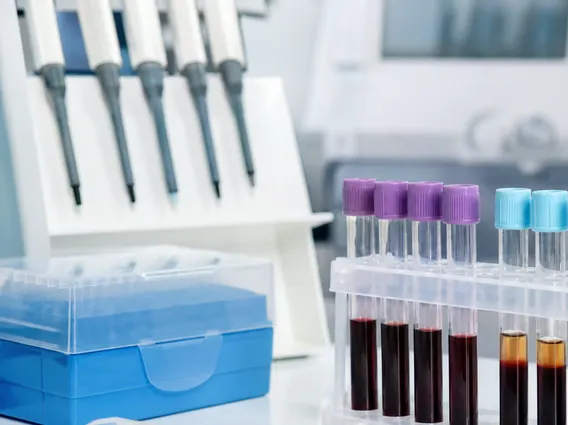
The process of dermatomyositis diagnosis and treatment begins with a thorough clinical evaluation, including a physical examination to assess muscle strength and skin manifestations. Diagnostic tests play a crucial role in confirming the condition and ruling out other disorders. These may include blood tests to check for elevated muscle enzymes (such as creatine kinase) and specific autoantibodies associated with dermatomyositis. Electromyography (EMG) can detect abnormal electrical activity in muscles, while a muscle biopsy or skin biopsy can reveal characteristic inflammatory changes.
Treatment for dermatomyositis aims to reduce inflammation, improve muscle strength, and manage skin symptoms. The primary approach often involves corticosteroids, such as prednisone, which help suppress the immune system. For long-term management or when corticosteroids are insufficient, immunosuppressive medications like methotrexate or azathioprine may be prescribed. In severe cases, intravenous immunoglobulin (IVIg) might be used. Physical therapy is also a vital component of treatment, helping to maintain muscle strength and flexibility.
Living with dermatomyositis requires ongoing management and lifestyle adjustments. Patients are often advised to protect their skin from sun exposure to prevent flare-ups of the rash, using sunscreen and protective clothing. Regular, gentle exercise, as guided by a physical therapist, can help preserve muscle function. Adherence to prescribed medications and regular follow-up appointments with a rheumatologist or dermatologist are essential for monitoring disease activity and adjusting treatment as needed. Support groups can also provide valuable emotional and practical assistance for individuals navigating life with this chronic condition.