Cytology
Cytology is a vital branch of pathology focused on the study of individual cells and small clusters of cells, typically obtained from various body sites. This diagnostic technique plays a crucial role in detecting and diagnosing diseases, particularly cancer, by examining cellular characteristics.
Key Takeaways
- Cytology is the microscopic examination of cells to diagnose diseases, most notably cancer.
- It involves collecting cell samples from various body parts, such as the cervix, lungs, or bodily fluids.
- Common cytology tests include Pap tests, fine-needle aspiration, and fluid cytology.
- This diagnostic method is widely used in medicine for early disease detection, screening, and monitoring treatment effectiveness.
- Cytology offers a less invasive and often quicker diagnostic approach compared to tissue biopsies.
What is Cytology?
Cytology is the scientific study of cells, specifically their structure, function, and pathology. In a clinical context, it refers to the microscopic examination of cells to detect abnormalities, diagnose diseases, and screen for precancerous conditions. The primary cytology meaning and purpose is to identify changes in cells that may indicate disease, such as inflammation, infection, or malignancy, often before macroscopic changes are visible or symptoms appear.
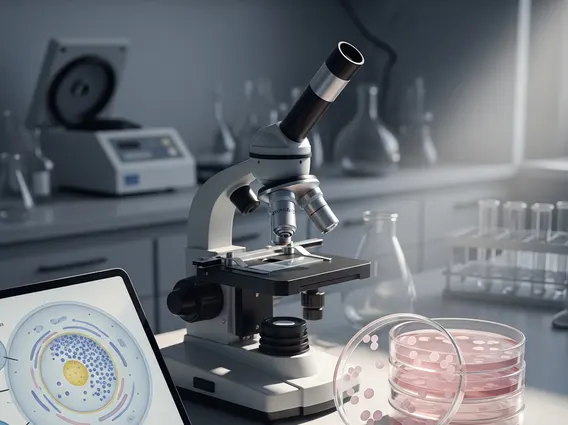
This diagnostic method involves collecting cells from a specific body site, processing them, and then examining them under a microscope. Pathologists and cytotechnologists analyze features like cell size, shape, nuclear characteristics, and cytoplasmic appearance to determine if the cells are normal, benign, or malignant. Its less invasive nature, compared to a surgical biopsy, makes it a preferred initial diagnostic tool for many conditions.
Types of Cytology Tests
There are several types of cytology tests, each designed to collect cells from different parts of the body for examination. The choice of test depends on the suspected condition and the location of the abnormality. These tests are generally minimally invasive and can provide rapid diagnostic results.
Common cytology tests include:
- Exfoliative Cytology: This involves collecting cells that are naturally shed or gently scraped from a surface. Examples include:
- Pap Test (Papanicolaou test): Used for cervical cancer screening, collecting cells from the cervix. According to the Centers for Disease Control and Prevention (CDC), regular Pap tests can prevent up to 95% of cervical cancers if detected early.
- Urine Cytology: Examines cells shed into urine to detect bladder or urinary tract cancers.
- Sputum Cytology: Analyzes cells from coughed-up mucus to screen for lung cancers.
- Fluid Cytology: Involves examining cells from various bodily fluids like pleural fluid (lungs), peritoneal fluid (abdomen), or cerebrospinal fluid (brain and spinal cord).
- Interventional Cytology: This method involves actively collecting cells from deeper tissues or organs using a needle or brush.
- Fine-Needle Aspiration (FNA) Cytology: A thin needle is used to extract cells from a mass or lump, such as in the breast, thyroid, or lymph nodes. This technique is highly effective for distinguishing between benign and malignant lesions.
- Brush Cytology: A small brush is used during endoscopy to collect cells from the lining of organs like the esophagus, stomach, or bronchi.
How Cytology is Used in Medicine
How cytology is used in medicine spans a wide range of diagnostic and screening applications. It serves as a frontline tool for early disease detection, particularly for various forms of cancer, and also plays a role in monitoring disease progression and treatment response. Its ability to provide quick insights into cellular health makes it indispensable in modern clinical practice.
In oncology, cytology is crucial for cancer screening programs, such as the Pap test for cervical cancer, which has significantly reduced mortality rates. It is also used to investigate suspicious lumps or masses identified through imaging studies, helping clinicians determine if a biopsy is necessary or if a lesion is benign. Furthermore, cytology can be employed to assess the presence of infectious agents, inflammatory conditions, and certain genetic disorders by examining cellular morphology and characteristics.