Cupping
Cupping is an ancient therapeutic practice that involves placing cups on the skin to create suction. This technique is used across various cultures for its potential health benefits, primarily focusing on pain relief and muscle relaxation.
Key Takeaways
- Cupping is a traditional therapy using suction cups to create localized pressure on the skin.
- It is believed to promote blood flow, reduce muscle tension, and facilitate healing.
- Commonly used for pain management, inflammation reduction, and relaxation.
- The practice involves different methods, including dry cupping and wet cupping.
- While generally considered safe, it should be performed by a qualified practitioner.
What is Cupping Therapy?
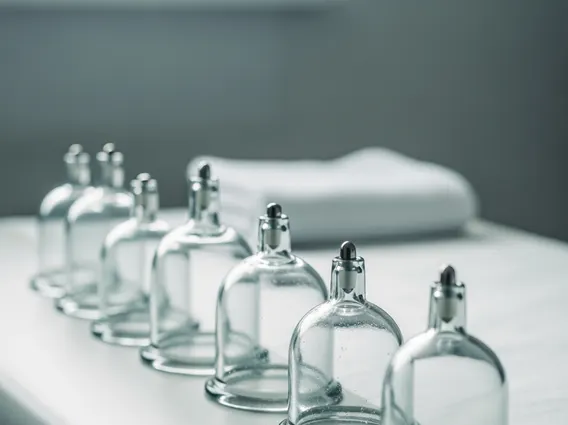
Cupping therapy refers to a traditional healing method that involves placing special cups on the skin for a few minutes to create suction. This suction is achieved by either heating the air inside the cup (fire cupping) or using a manual pump (dry cupping). The practice dates back thousands of years, with roots in ancient Egyptian, Chinese, and Middle Eastern cultures, making it one of the oldest forms of traditional medicine still in use today. The primary goal is to mobilize blood flow to promote healing.
Cupping therapy explained involves placing cups, typically made of glass, bamboo, or silicone, directly onto the skin. The suction created pulls the skin and superficial muscle layers upwards into the cup. This action is thought to draw toxins to the surface, stimulate blood flow, and loosen connective tissue. There are two main types: dry cupping, which only involves suction, and wet cupping, which includes making small incisions in the skin before applying the cups to draw out a small amount of blood.
How Does Cupping Work?
The mechanism behind how cupping works centers on the creation of negative pressure on the skin. When a cup is applied and suction is created, it pulls the skin, subcutaneous tissue, and muscles upwards. This action causes capillaries under the skin to expand and sometimes rupture, leading to the characteristic circular marks or bruises often associated with cupping. These marks are typically painless and fade within a few days to a week.
Physiologically, the suction is believed to stimulate local blood circulation and lymphatic flow, which may help in removing metabolic waste and reducing inflammation. By drawing blood to the surface, it is thought to promote cellular repair and regeneration in the treated area. Additionally, the pulling action can help to stretch and relax tight muscles and fascia, potentially relieving muscle stiffness and discomfort. The localized trauma induced by cupping is also hypothesized to trigger a mild immune response, contributing to natural healing.
Benefits of Cupping Treatment
The benefits of cupping treatment are widely reported by practitioners and patients, often focusing on pain relief and improved well-being. While scientific research is ongoing, many individuals find relief from various conditions. One of the most commonly cited benefits is its ability to alleviate muscle pain and tension, particularly in the back, neck, and shoulders. The suction helps release tight muscles and improve flexibility.
Other potential benefits include:
- Reduced Inflammation: By promoting blood flow and lymphatic drainage, cupping may help to reduce localized inflammation.
- Pain Management: Often used for chronic pain conditions such as fibromyalgia, arthritis, and migraines.
- Improved Circulation: The suction draws blood to the treated area, enhancing local circulation and oxygen delivery.
- Relaxation: Many people experience a sense of relaxation and stress reduction during and after a cupping session.
- Detoxification: Some proponents believe it helps to draw out toxins from the body, though scientific evidence for this is limited.
It is important to note that while cupping therapy can be a valuable complementary approach, it should not replace conventional medical treatment for serious conditions. Always consult with a qualified healthcare professional regarding any health concerns and before starting any new therapy, especially if you have underlying medical conditions or are taking medications. Cupping should always be performed by a trained and certified practitioner to ensure safety and efficacy.