Creatine
Creatine is a naturally occurring compound that plays a crucial role in energy production within cells, particularly in muscles. It is widely recognized for its use as a dietary supplement among athletes and individuals seeking to enhance physical performance.
Key Takeaways
- Creatine is a natural compound vital for muscle energy, commonly used as a supplement.
- It primarily supports high-intensity exercise, muscle growth, and may offer cognitive benefits.
- Common side effects are generally mild, such as gastrointestinal discomfort or water retention.
- Typical supplementation involves a loading phase followed by a maintenance phase.
- Always consult a healthcare professional before starting any new supplement regimen.
What is Creatine?
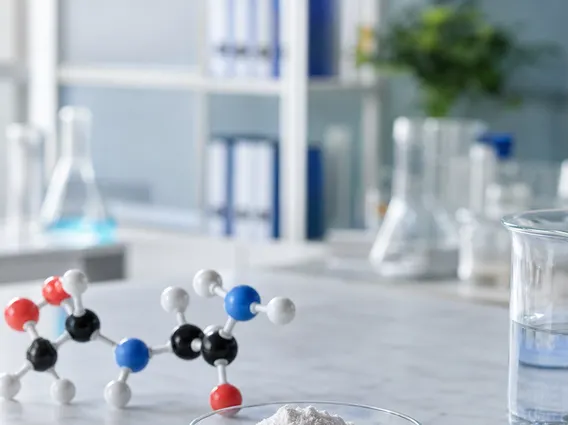
Creatine is an organic acid produced naturally in the body, primarily in the liver, kidneys, and pancreas, from amino acids. It is stored predominantly in skeletal muscles (about 95%) and plays a critical role in the rapid regeneration of adenosine triphosphate (ATP), the body’s primary energy currency, especially during short bursts of high-intensity activity. Dietary sources of Creatine include red meat and fish, though supplementation is often used to increase muscle Creatine stores beyond what can be achieved through diet alone. The process of how creatine explained involves its conversion to phosphocreatine, which then donates a phosphate group to adenosine diphosphate (ADP) to quickly reform ATP.
Creatine Benefits and Potential Side Effects
Supplementing with Creatine has been extensively studied, revealing several notable creatine benefits and side effects. Its primary advantage lies in enhancing athletic performance, particularly in activities requiring short, explosive efforts.
- Enhanced Strength and Power: Creatine helps increase phosphocreatine stores in muscles, allowing for more ATP production during high-intensity exercise, leading to improved strength, power output, and resistance to fatigue.
- Muscle Growth: It can promote muscle mass gains by increasing water content in muscle cells (cell volumization) and potentially stimulating protein synthesis.
- Improved Exercise Performance: Studies show it can enhance performance in various exercises, including weightlifting, sprinting, and high-intensity interval training.
- Cognitive Benefits: Emerging research suggests Creatine may also support brain health, improving memory and cognitive function, especially in situations of sleep deprivation or mental fatigue.
While generally considered safe for most healthy individuals when taken at recommended dosages, some potential side effects can occur:
- Gastrointestinal Distress: Some users may experience stomach upset, nausea, or diarrhea, especially during the initial loading phase or with high doses.
- Water Retention: Creatine can cause muscles to draw more water, leading to temporary weight gain due to increased intracellular water.
- Muscle Cramps: While often anecdotally reported, scientific evidence does not strongly support Creatine as a direct cause of muscle cramps or dehydration. Adequate hydration is always recommended.
- Kidney/Liver Concerns: For healthy individuals, studies have not shown Creatine supplementation to cause kidney or liver damage. However, individuals with pre-existing kidney or liver conditions should avoid Creatine or consult a physician.
How to Take Creatine: Dosage and Safety
Understanding how to take Creatine effectively and safely is crucial for maximizing its benefits while minimizing potential risks. The most common approach involves an initial “loading phase” followed by a “maintenance phase.”
Dosage Guidelines
- Loading Phase: To rapidly saturate muscle Creatine stores, consume 20 grams of Creatine daily, typically divided into four 5-gram servings, for 5-7 days. Alternatively, a lower daily dose of 3-5 grams can achieve similar saturation over 3-4 weeks, potentially reducing gastrointestinal discomfort.
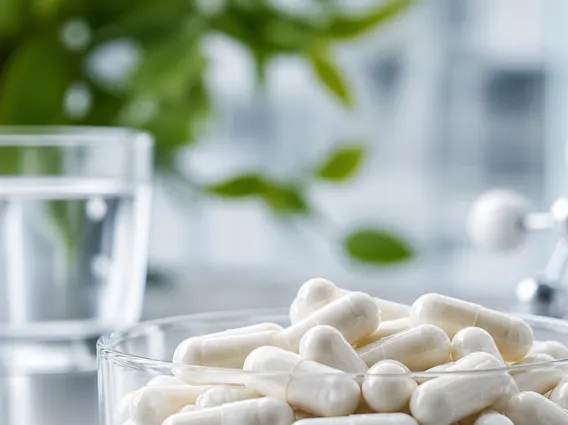
- Maintenance Phase: Following the loading phase, a daily dose of 3-5 grams is generally sufficient to sustain elevated muscle Creatine levels. This can be taken once daily, mixed with water or juice.
Safety Considerations
- Hydration: Adequate water intake is vital when supplementing with Creatine to support kidney function and prevent dehydration, given its impact on cellular water retention.
- Medical Consultation: Individuals with pre-existing medical conditions, particularly kidney or liver disease, or diabetes, must consult a healthcare provider before initiating Creatine supplementation. Pregnant or breastfeeding women should also avoid Creatine due to insufficient research on its safety for these groups.
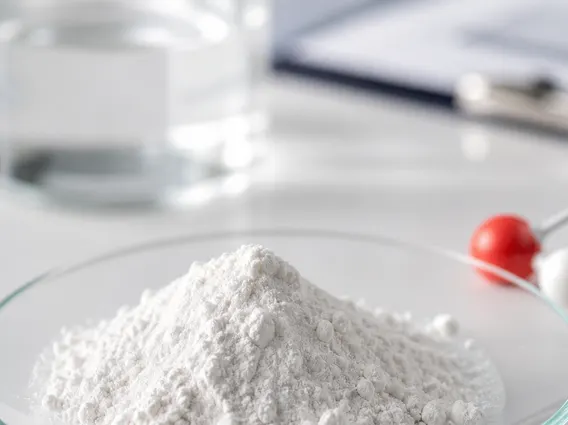
- Supplement Quality: Opt for Creatine monohydrate from reputable brands, as it is the most extensively researched and effective form. Prioritize products that undergo third-party testing for purity and absence of contaminants.