Corpus Uteri
The uterus is a vital organ within the female reproductive system, central to the processes of menstruation and pregnancy. Understanding its distinct regions, particularly the corpus uteri, is fundamental to comprehending female reproductive health and its associated conditions.
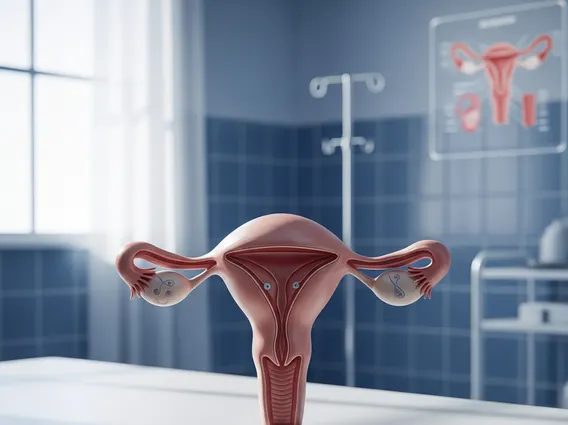
Key Takeaways
- The Corpus Uteri is the main, muscular body of the uterus, situated between the fundus and the cervix.
- Its primary role is to provide a suitable environment for embryo implantation and subsequent fetal development.
- The anatomy of the corpus uteri includes the myometrium (muscle layer) and the endometrium (inner lining), which undergoes cyclical changes.
- Key functions encompass supporting pregnancy, nourishing the fetus, and generating the powerful contractions necessary for childbirth.
- Maintaining the health of the corpus uteri is crucial for reproductive success and overall gynecological well-being.
What is the Corpus Uteri?
The Corpus Uteri refers to the main body of the uterus, a pear-shaped, hollow muscular organ located in the female pelvis. It is the largest section of the uterus, extending from the fundus (the dome-shaped top) down to the isthmus, which narrows into the cervix. This central region is where a fertilized egg typically implants and develops throughout pregnancy. The corpus uteri definition highlights its role as the primary site for gestation, providing protection and nourishment to the growing fetus.
This critical part of the uterus undergoes significant changes during the menstrual cycle, preparing its lining for potential pregnancy. If conception occurs, the corpus uteri expands dramatically to accommodate the developing baby, demonstrating remarkable elasticity and strength. Its robust muscular walls are essential for both supporting pregnancy and facilitating the birth process.
Anatomy and Structure of the Corpus Uteri
The corpus uteri anatomy is characterized by its thick, muscular walls and specialized lining, designed to support reproductive functions. It is broadly divided into several components:
- Fundus: The uppermost, rounded part of the uterus, superior to the entry points of the fallopian tubes.
- Body (Corpus): The main central portion, which gradually tapers downwards.
- Isthmus: A constricted, transitional area between the body of the uterus and the cervix.
Histologically, the wall of the corpus uteri consists of three distinct layers: the perimetrium, myometrium, and endometrium. The outermost layer, the perimetrium, is a serous membrane that forms part of the visceral peritoneum. Beneath this lies the myometrium, a thick layer of smooth muscle fibers arranged in various directions. This muscular layer is responsible for the powerful contractions during labor and helps to expel menstrual blood. The innermost layer is the endometrium, a mucous membrane that lines the uterine cavity. The endometrium is highly vascular and undergoes cyclical changes in response to hormonal fluctuations, preparing for embryo implantation each month.
Key Functions of the Corpus Uteri
The function of corpus uteri is multifaceted and central to female reproduction. Its primary role is to facilitate and sustain pregnancy. Following fertilization, the corpus uteri provides the ideal environment for the embryo to implant into the prepared endometrium. Once implanted, the uterine wall, particularly the myometrium, expands and strengthens to protect and house the developing fetus for approximately nine months.
Throughout pregnancy, the corpus uteri plays a vital role in nourishing the fetus. The rich blood supply to the endometrium supports the placenta, which in turn delivers nutrients and oxygen to the baby and removes waste products. As the pregnancy progresses, the myometrial muscle fibers hypertrophy and hyperplasia, increasing in size and number to accommodate the growing uterus. During childbirth, these powerful muscle contractions of the corpus uteri are responsible for dilating the cervix and expelling the baby through the birth canal. After delivery, the uterus contracts strongly to prevent excessive bleeding, a process known as uterine involution. These coordinated functions highlight the indispensable role of the corpus uteri in human reproduction.