Coronavirus
Coronavirus refers to a large family of viruses that can cause illness in animals or humans. In humans, several coronaviruses are known to cause respiratory infections ranging from the common cold to more severe diseases.
Key Takeaways
- Coronaviruses are a family of viruses causing respiratory illnesses, from mild colds to severe conditions.
- Symptoms typically include fever, cough, fatigue, and can range from mild to life-threatening.
- The virus primarily spreads through respiratory droplets when an infected person coughs, sneezes, or talks.
- Prevention involves vaccination, hand hygiene, mask-wearing, and maintaining physical distance.
- Staying informed through reliable sources like the WHO and CDC is crucial for the latest health advice.
What is Coronavirus and Its Symptoms?
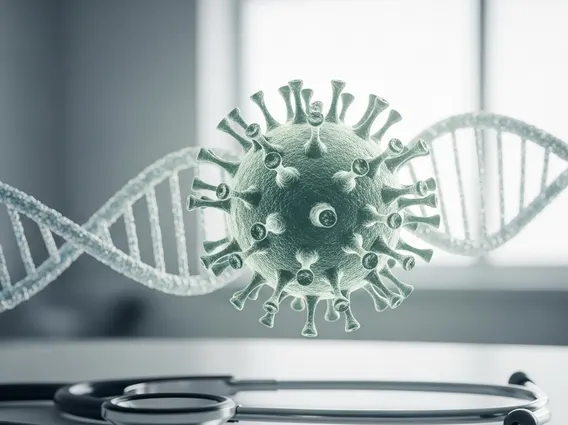
Coronavirus is a broad category of RNA viruses that are responsible for a range of respiratory illnesses. While some coronaviruses cause mild conditions like the common cold, others, such as SARS-CoV-2 (the virus causing COVID-19), can lead to severe and potentially fatal diseases. These viruses are named for the crown-like spikes on their surface, visible under an electron microscope.
The symptoms of coronavirus infections can vary widely depending on the specific virus and the individual’s immune response. For common human coronaviruses, symptoms are typically mild and include a runny nose, sore throat, cough, and fever. However, with more severe forms like COVID-19, symptoms can be more pronounced and may include:
- Fever or chills
- Cough
- Fatigue
- Muscle or body aches
- Headache
- Sore throat
- Congestion or runny nose
- Nausea or vomiting
- Diarrhea
- New loss of taste or smell
According to the World Health Organization (WHO), the incubation period for many coronaviruses can range from 2 to 14 days, with symptoms typically appearing within 5-6 days after exposure. The severity of symptoms can range from very mild to severe illness requiring hospitalization, especially in older adults and individuals with underlying health conditions.
How Coronavirus Spreads and Prevention Strategies
The primary way coronavirus spreads is through respiratory droplets produced when an infected person coughs, sneezes, or talks. These droplets can then be inhaled by people nearby or land on surfaces, which can then transfer the virus to a person’s mouth, nose, or eyes when touched. Less commonly, airborne transmission can occur in specific circumstances, especially in enclosed, poorly ventilated spaces.
Effective prevention strategies are crucial to limit the spread of coronavirus. These measures include:
| Prevention Strategy | Description |
|---|---|
| Vaccination | Receiving recommended vaccine doses significantly reduces the risk of severe illness, hospitalization, and death. |
| Hand Hygiene | Frequent hand washing with soap and water or using an alcohol-based hand sanitizer helps remove virus particles. |
| Mask-Wearing | Wearing a well-fitting mask in crowded or indoor public settings can reduce the spread of respiratory droplets. |
| Physical Distancing | Maintaining at least 6 feet (2 meters) of distance from others, especially those who are sick, minimizes exposure. |
| Ventilation | Improving air circulation in indoor spaces by opening windows or using air purifiers can reduce airborne transmission risk. |
Public health organizations like the Centers for Disease Control and Prevention (CDC) consistently emphasize these strategies as key to protecting communities and individuals from infection.
Latest Updates and Common Questions About Coronavirus
Staying informed about coronavirus latest updates and health advice is essential as the scientific understanding of these viruses evolves. Health authorities continuously monitor new variants, update treatment guidelines, and refine public health recommendations. Information regarding vaccine efficacy against emerging strains, changes in symptom profiles, and long-term effects of infection are regularly shared by global and national health organizations.
Many common questions about coronavirus disease revolve around its long-term impact, the effectiveness of current treatments, and future pandemic preparedness. While specific answers can change, the general advice remains consistent: consult healthcare professionals for personalized medical advice and rely on reputable sources like the WHO and CDC for accurate, up-to-date information. These organizations provide guidance on everything from testing protocols to managing post-viral symptoms and understanding global disease trends.