
Clear Cell Adenocarcinoma
Clear Cell Adenocarcinoma is a rare and aggressive form of cancer characterized by cells with clear, glycogen-rich cytoplasm. Understanding this malignancy is crucial for effective management and improved patient outcomes.
Key Takeaways
- Clear Cell Adenocarcinoma is a rare and aggressive cancer type, often affecting the female reproductive system, kidneys, or gastrointestinal tract.
- Symptoms vary significantly based on the tumor’s location, often including pain, abnormal bleeding, or changes in bowel/bladder habits.
- Diagnosis typically involves imaging, biopsy, and histopathological examination to confirm the presence of clear cells.
- Treatment strategies are multidisciplinary, combining surgery, radiation, chemotherapy, and sometimes targeted therapies.
- Early detection and a comprehensive treatment plan are vital for managing the disease and improving prognosis.
What is Clear Cell Adenocarcinoma?
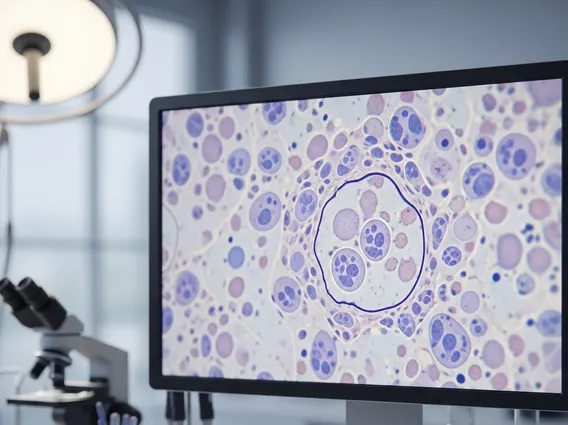
Clear Cell Adenocarcinoma is a distinct and often aggressive subtype of adenocarcinoma, characterized by tumor cells that appear “clear” under a microscope due to their high glycogen content. This rare cancer can originate in various organs, most commonly the female reproductive tract (ovary, uterus, vagina), but also the kidneys, lungs, and gastrointestinal system. Its rarity makes it a challenging cancer to study, with incidence rates varying by primary site. For instance, clear cell carcinoma accounts for approximately 5-10% of ovarian epithelial cancers, as reported by the American Cancer Society. The unique cellular characteristics of this cancer often lead to different biological behaviors and responses to therapy compared to other adenocarcinoma subtypes.
Clear Cell Adenocarcinoma Symptoms and Diagnosis
Recognizing clear cell adenocarcinoma symptoms is crucial for early detection, though they can be non-specific and depend heavily on the tumor’s primary location. For example, ovarian clear cell adenocarcinoma might present with pelvic pain, bloating, or changes in bowel habits, while renal clear cell adenocarcinoma could manifest as flank pain, a palpable mass, or hematuria (blood in urine). Due to the varied presentation, symptoms are often advanced before diagnosis.
The clear cell adenocarcinoma diagnosis process typically involves a combination of methods to confirm the presence and extent of the disease. These may include:
- Imaging Studies: Techniques such as ultrasound, CT scans, and MRI are used to locate the tumor, assess its size, and check for metastasis.
- Biopsy: A tissue sample is taken from the suspected tumor and examined by a pathologist. This is the definitive diagnostic step, identifying the characteristic clear cells.
- Blood Tests: While not diagnostic on their own, certain tumor markers (e.g., CA-125 for ovarian cancer) may be elevated and can aid in monitoring treatment response.
- Histopathological Examination: Pathologists use specific stains and microscopic evaluation to differentiate clear cell adenocarcinoma from other cancer types.
Clear Cell Adenocarcinoma Treatment Options
Managing clear cell adenocarcinoma treatment requires a multidisciplinary approach tailored to the tumor’s location, stage, and the patient’s overall health. Given its often aggressive nature and potential for resistance to conventional therapies, treatment plans are carefully individualized.
Common treatment modalities include:
- Surgery: Often the primary treatment, aiming to remove as much of the tumor as possible (debulking surgery). For localized tumors, surgery can be curative.
- Chemotherapy: Systemic drugs are used to kill cancer cells throughout the body. Clear cell adenocarcinomas, particularly those of ovarian origin, can sometimes be less responsive to standard platinum-based chemotherapy compared to other subtypes, necessitating alternative regimens.
- Radiation Therapy: High-energy rays are used to target and destroy cancer cells in a specific area. This may be used after surgery to eliminate residual cells or for palliative care to manage symptoms.
- Targeted Therapy: These newer treatments focus on specific molecular pathways involved in cancer growth. Research is ongoing to identify effective targeted therapies for clear cell adenocarcinoma, especially for cases with specific genetic mutations.
It is important to note that information regarding alternative or complementary therapies is for supportive purposes only and should not replace medical treatment prescribed by a qualified healthcare professional. Always consult with your doctor before starting any new treatment.