Cin 2
Cervical Intraepithelial Neoplasia Grade 2 (CIN 2) is a moderately severe precancerous condition affecting the cervix. It indicates abnormal cell changes that, if left untreated, have the potential to progress to cervical cancer over time.
Key Takeaways
- CIN 2 represents moderate dysplasia, a precancerous change in cervical cells often caused by persistent human papillomavirus (HPV) infection.
- Diagnosis involves a Pap test, followed by colposcopy and biopsy to confirm the extent of cellular changes.
- Treatment options range from observation for certain cases to excisional procedures like LEEP or cold knife conization, aimed at removing the abnormal cells.
- The goal of treatment is to prevent progression to cervical cancer, with high success rates and a need for regular follow-up.
- While CIN 2 can regress spontaneously, particularly in younger individuals, active management is often recommended due to the risk of progression.
What is CIN 2 (Cervical Intraepithelial Neoplasia Grade 2)?
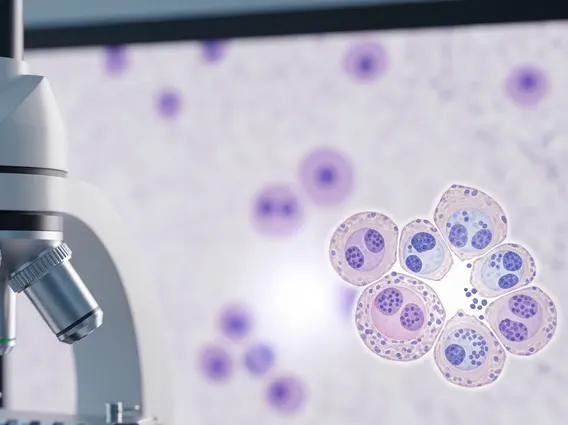
Cervical Intraepithelial Neoplasia Grade 2 (CIN 2) refers to a moderate degree of abnormal cell growth on the surface of the cervix. This condition is considered a precancerous lesion, meaning the cells are not cancerous yet but have undergone significant changes that could, if untreated, develop into invasive cervical cancer over several years. CIN 2 is primarily caused by persistent infection with high-risk types of the human papillomavirus (HPV), particularly HPV types 16 and 18, which are responsible for the majority of cervical cancers.
The classification of CIN ranges from CIN 1 (mild dysplasia) to CIN 3 (severe dysplasia or carcinoma in situ). CIN 2 falls in the middle, indicating that abnormal cells affect about two-thirds of the thickness of the cervical epithelium. While some CIN 2 lesions, especially in younger individuals, may regress spontaneously without intervention, medical guidelines often recommend treatment due to the notable risk of progression. Studies indicate that approximately 40-50% of CIN 2 lesions may regress naturally, but about 20-30% persist, and around 5% could progress to invasive cancer if left unmanaged (Source: Medical literature consensus).
Diagnosing and Treating CIN 2
The process of **CIN 2 diagnosis and treatment** typically begins with an abnormal Pap test result, which screens for cervical cell changes. If a Pap test indicates abnormalities, the next step is usually a colposcopy. During a colposcopy, a healthcare provider uses a magnified view of the cervix to identify areas of abnormal cells, often applying a vinegar solution to make these areas more visible. If suspicious areas are found, small tissue samples (biopsies) are taken for microscopic examination to confirm the diagnosis and determine the grade of CIN.
Once CIN 2 is confirmed, treatment options are discussed, tailored to factors such as the patient’s age, desire for future pregnancies, and the extent of the lesion. Common treatment approaches aim to remove or destroy the abnormal cells while preserving as much healthy cervical tissue as possible. These include:
- Loop Electrosurgical Excision Procedure (LEEP): A thin wire loop heated by an electric current is used to remove the abnormal tissue. This is a very common and effective outpatient procedure.
- Cold Knife Conization: A surgical scalpel is used to remove a cone-shaped piece of tissue from the cervix. This method is often used for larger lesions or when LEEP is not suitable.
- Cryotherapy: This involves freezing the abnormal cells, causing them to die and slough off. It is generally less common for CIN 2 due to concerns about treatment depth.
- Laser Ablation: A laser beam is used to destroy the abnormal cells.
In some specific cases, particularly in younger women with smaller lesions, a period of watchful waiting with close follow-up may be considered, as CIN 2 can sometimes regress on its own. However, active treatment is often recommended to minimize the risk of progression to cancer.
Prognosis and Long-Term Outlook for CIN 2
The **CIN 2 prognosis and outlook** are generally very favorable with appropriate management. Treatment for CIN 2 is highly effective, with success rates typically exceeding 90% in eradicating the abnormal cells (Source: World Health Organization). After treatment, regular follow-up is crucial to monitor for recurrence and ensure complete resolution. This usually involves repeat Pap tests, HPV testing, and sometimes colposcopy, at specified intervals.
While treatment significantly reduces the risk, there is a small chance of recurrence or developing new lesions, especially if the underlying HPV infection persists. Therefore, continued adherence to screening guidelines is essential for long-term health. Understanding **CIN 2 medical information** empowers individuals to make informed decisions about their health and follow recommended surveillance protocols. Most individuals who receive treatment for CIN 2 go on to live healthy lives without developing cervical cancer, highlighting the importance of early detection and timely intervention.