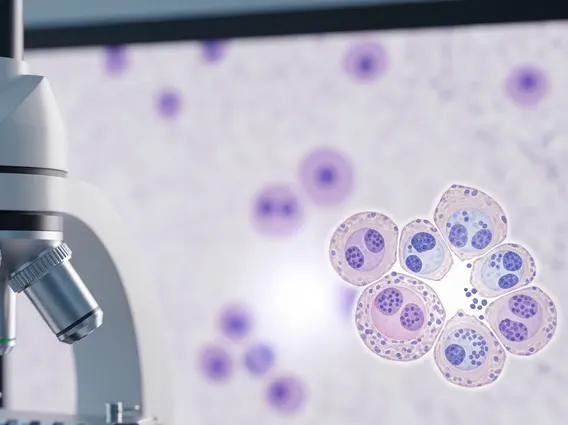
Chlamydophila Psittaci
Chlamydophila Psittaci is a fascinating bacterium with significant implications for both animal and human health. This article delves into understanding this pathogen, the disease it causes, its symptoms, transmission, and the current approaches to diagnosis and treatment.

Key Takeaways
- Chlamydophila Psittaci is an intracellular bacterium responsible for psittacosis, primarily affecting birds but transmissible to humans.
- Human infection, also known as ornithosis or human psittacosis, often presents with flu-like symptoms and pneumonia, ranging from mild to severe.
- Transmission typically occurs through inhaling aerosolized particles from infected bird droppings or respiratory secretions.
- Diagnosis relies on laboratory tests, and treatment primarily involves antibiotics like tetracyclines.
- Prevention focuses on proper hygiene when handling birds and avoiding contact with sick birds.
What is Chlamydophila Psittaci?
Chlamydophila Psittaci is an obligate intracellular bacterium, meaning it can only replicate inside the cells of a host organism. It is the causative agent of psittacosis, a zoonotic infectious disease primarily affecting birds, particularly psittacine birds (parrots, parakeets, cockatiels), but also pigeons, poultry, and other avian species. When humans contract the infection, the condition is often referred to as ornithosis or human psittacosis. Understanding what is Chlamydophila Psittaci disease is crucial for public health, given its potential to spread from avian hosts to humans. The disease can manifest with a wide range of clinical presentations, from asymptomatic infection to severe, life-threatening pneumonia.
Chlamydophila Psittaci: Symptoms and Transmission
When humans are infected, Chlamydophila Psittaci symptoms in humans can vary significantly depending on the severity of the infection and the individual’s immune response. Symptoms typically appear 5 to 14 days after exposure. Initial symptoms often resemble influenza, including fever, chills, headache, muscle aches (myalgia), and fatigue. As the disease progresses, respiratory symptoms such as a dry cough, shortness of breath, and chest pain may develop, often leading to pneumonia. In more severe cases, complications can include endocarditis, hepatitis, encephalitis, and other systemic issues.
The primary route of transmission to humans is through the inhalation of aerosolized particles containing the bacteria. These particles are typically shed in the feces, respiratory secretions, or feather dust of infected birds. Direct contact with infected birds, their droppings, or contaminated environments can also lead to exposure. While bird-to-human transmission is common, human-to-human transmission is rare but has been documented in severe cases, particularly in healthcare settings. Occupational exposure is a significant risk for individuals working with birds, such as pet shop employees, poultry workers, veterinarians, and bird fanciers. According to the Centers for Disease Control and Prevention (CDC), while relatively rare in the United States, cases are reported annually, often linked to exposure to infected pet birds or poultry.
Common sources of exposure include:
- Pet birds (parrots, parakeets, cockatiels)
- Poultry (turkeys, ducks)
- Zoos and aviaries
- Bird breeding facilities
Diagnosing and Treating Chlamydophila Psittaci Infection
Accurate Chlamydophila Psittaci diagnosis and treatment are essential for managing the infection effectively. Diagnosis can be challenging because the symptoms are often non-specific and mimic other respiratory illnesses. Healthcare providers typically suspect psittacosis based on a patient’s symptoms and a history of exposure to birds. Definitive diagnosis relies on laboratory tests, which may include serology (detecting antibodies against Chlamydophila Psittaci in blood samples) or PCR (Polymerase Chain Reaction) to detect bacterial DNA in respiratory secretions or other clinical samples. A four-fold rise in antibody titers between acute and convalescent phase sera is indicative of recent infection. Culture of the bacteria from clinical specimens is less common due to the fastidious nature of the organism and biosafety concerns.
Treatment for Chlamydophila Psittaci infection primarily involves antibiotics. Tetracyclines, particularly doxycycline, are the drugs of choice and are highly effective. Treatment courses typically last for 10 to 21 days, depending on the severity of the illness, to prevent relapse. Macrolides, such as azithromycin, may be used as an alternative for pregnant women or individuals who cannot tolerate tetracyclines. Early diagnosis and prompt initiation of appropriate antibiotic therapy usually lead to a full recovery, although severe cases, especially those with complications, may require hospitalization and supportive care.