Chinese Meridian Theory
Chinese Meridian Theory is a foundational concept within Traditional Chinese Medicine (TCM), describing a network of pathways through which vital energy, known as Qi, flows throughout the body. This intricate system is crucial for understanding health, disease, and the efficacy of various TCM therapeutic practices.
Key Takeaways
- Chinese Meridian Theory posits that Qi and blood circulate through specific pathways called meridians.
- Meridians connect the body’s surface to internal organs, ensuring physiological balance.
- Disruptions in meridian flow are believed to lead to illness and discomfort.
- This theory forms the basis for acupuncture, acupressure, and other TCM treatments.
- Understanding meridians is key to a holistic approach to health in Traditional Chinese Medicine.
What is Chinese Meridian Theory?
Chinese Meridian Theory refers to the ancient understanding of the human body as an interconnected system where vital life energy, or Qi, circulates along specific pathways called meridians. Originating thousands of years ago, this theory is a cornerstone of Traditional Chinese Medicine (TCM), providing a framework for diagnosing and treating various health conditions. It posits that health is maintained when Qi flows smoothly and abundantly through these channels, nourishing organs and tissues, while blockages or imbalances in this flow can lead to illness and pain. The theory integrates concepts of Yin and Yang, the Five Elements, and the Zang-Fu organs (internal organs) to explain physiological functions and pathological changes.
The Chinese Meridian System Explained
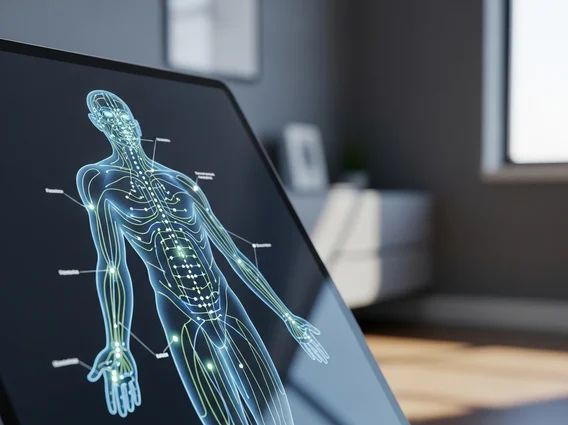
The Chinese meridian system explanation details a complex network comprising twelve principal meridians, which are bilateral and correspond to specific Zang-Fu organs, and eight extraordinary meridians, which act as reservoirs for Qi and blood. These meridians are not physical structures in the anatomical sense but are energetic pathways that permeate the entire body, connecting the exterior with the interior. They are believed to transport Qi, blood, and other vital substances, thereby regulating the functions of the internal organs, limbs, and sensory organs. This intricate network ensures that every part of the body receives the necessary energy and nourishment to function optimally.
Chinese meridians work by facilitating the continuous circulation of Qi and blood, which are essential for life. Each principal meridian has a specific pathway, often named after the organ it is associated with (e.g., Lung Meridian, Spleen Meridian). Along these pathways are specific points, known as acupoints, which can be stimulated to influence the flow of Qi and restore balance. The functions of these meridians include:
- Transporting Qi and blood throughout the body.
- Connecting the internal organs with the surface of the body.
- Regulating the balance between Yin and Yang.
- Protecting the body from external pathogenic factors.
- Reflecting pathological changes, making them valuable for diagnosis.
When the flow of Qi is disrupted—whether due to emotional stress, physical trauma, environmental factors, or lifestyle choices—it can manifest as symptoms of disease. Understanding these pathways allows practitioners to identify areas of imbalance and apply targeted interventions.
Meridian Theory in Clinical Practice
The application of meridian theory in Traditional Chinese Medicine is extensive, forming the basis for many diagnostic and therapeutic modalities. In clinical practice, TCM practitioners utilize their knowledge of the meridian system to assess a patient’s health status and develop personalized treatment plans. Diagnostic methods often involve palpating specific meridian points, observing the tongue, and analyzing the pulse, all of which provide insights into the flow of Qi and blood within the meridians and the condition of the associated organs.
Therapeutic interventions rooted in meridian theory aim to restore the smooth and balanced flow of Qi. These include:
- Acupuncture: Involves inserting fine needles into specific acupoints along the meridians to stimulate or sedate Qi flow.
- Acupressure: Applies manual pressure to acupoints to achieve similar effects as acupuncture without needles.
- Moxibustion: Uses heat from burning mugwort herb near acupoints to warm and invigorate Qi and blood.
- Cupping: Creates suction on the skin to promote blood flow and alleviate stagnation in meridian pathways.
- Herbal Medicine: Prescribes specific herbs or formulas to influence organ functions and regulate Qi and blood within the meridians.
- Tui Na Massage: A form of therapeutic massage that targets meridians and acupoints to promote healing.
By addressing imbalances within the meridian system, TCM aims to treat the root cause of illness, not just the symptoms, promoting the body’s natural healing capabilities. It is important to note that information regarding complementary therapies like Chinese Meridian Theory is supportive only and does not replace conventional medical treatment. Always consult with a qualified healthcare professional for any health concerns.