Barium Swallow
A Barium Swallow is a diagnostic imaging test used to examine the upper gastrointestinal tract. This procedure helps healthcare professionals identify various conditions affecting the esophagus, stomach, and duodenum.
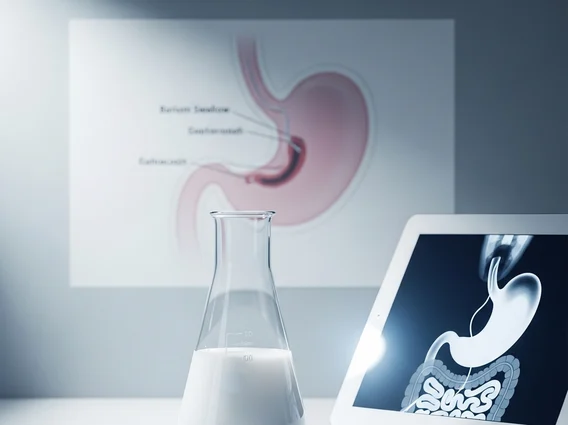
Key Takeaways
- A Barium Swallow is an X-ray examination that visualizes the upper digestive system.
- It involves drinking a barium-based liquid to coat the internal lining of the organs.
- The procedure helps diagnose swallowing difficulties, reflux, ulcers, and structural abnormalities.
- It is generally safe, but minor side effects like constipation can occur.
- Preparation involves fasting, and post-procedure care includes hydration to prevent constipation.
What is a Barium Swallow and Why is it Performed?
What is Barium Swallow refers to a specialized medical imaging procedure that utilizes X-rays to visualize the upper part of the gastrointestinal (GI) tract. During this diagnostic test, patients consume a liquid containing barium sulfate, a metallic compound that appears distinctly white on X-ray images. This unique property allows radiologists to meticulously observe the shape, structure, and functional movement of the pharynx, esophagus, stomach, and the initial segment of the small intestine (duodenum) as the barium progresses through these organs. The coating provided by the barium effectively highlights any abnormalities, such as strictures, ulcers, or masses, that would otherwise be indiscernible on conventional X-rays, offering a detailed view of the internal lining.
The primary reason a barium swallow is performed is to thoroughly investigate a range of symptoms and conditions affecting the upper digestive system. It is an invaluable tool for diagnosing issues that impact swallowing or cause discomfort and pain in the chest and upper abdomen. Common indications for undergoing this procedure include:
- Persistent difficulty swallowing (dysphagia) or painful swallowing (odynophagia).
- Chronic heartburn, acid reflux, or other symptoms suggestive of gastroesophageal reflux disease (GERD).
- Unexplained nausea, vomiting, or persistent abdominal pain.
- Suspicion of structural abnormalities such as ulcers, polyps, tumors, or narrowings (strictures) in the esophagus or stomach.
- Evaluation of a hiatal hernia, where part of the stomach pushes up through the diaphragm.
- Assessment of esophageal motility disorders, which affect the coordinated muscle contractions required for food transport.
This comprehensive examination provides critical diagnostic information, enabling healthcare professionals to accurately identify the underlying causes of a patient’s symptoms and formulate an effective treatment plan.
Barium Swallow Procedure and Potential Side Effects
The barium swallow procedure explained involves a systematic approach to ensure optimal imaging results and patient comfort. Prior to the examination, patients are typically instructed to fast for several hours, usually from midnight the night before, to ensure the upper GI tract is completely empty. Upon arrival at the imaging facility, the patient will be positioned on an X-ray table, which may be tilted at various angles during the test. They will then be asked to drink the barium solution, which, while safe, may have a thick, chalky texture and a mild flavor. As the patient swallows, a radiologist or a trained radiographer will capture a series of X-ray images or a continuous X-ray video, known as fluoroscopy, to meticulously track the barium’s passage through the esophagus and into the stomach. The patient may be asked to rotate or hold their breath briefly to facilitate the barium coating different areas and to obtain various views. The entire procedure typically lasts between 30 to 60 minutes, depending on the complexity of the case and the findings.
While generally considered a safe diagnostic tool, barium swallow side effects can occur, though they are predominantly mild and transient. The most frequently reported side effect is constipation, as the barium sulfate can absorb water and solidify within the intestines. To counteract this, patients are strongly advised to increase their fluid intake significantly after the procedure and may be recommended a gentle laxative to aid barium elimination. Other potential, less common side effects include:
- Temporary feelings of nausea or, rarely, vomiting immediately after consuming the barium.
- Mild abdominal cramping or bloating.
- Very rarely, an allergic reaction to the barium, which could manifest as a rash, itching, or difficulty breathing, requiring immediate medical attention.
- A noticeable change in stool color, appearing white or light-colored, for a few days post-procedure as the barium passes through the digestive system.
Patients must communicate any pre-existing medical conditions, known allergies, or current medications to their healthcare provider before the examination. Adhering strictly to all pre- and post-procedure guidelines provided by the medical team is essential for a smooth experience and accurate diagnostic results.