
Immunotoxin
Immunotoxins represent a sophisticated class of targeted therapeutic agents primarily utilized in the treatment of various cancers. These innovative biopharmaceuticals are engineered to selectively deliver potent toxins directly to diseased cells, thereby minimizing collateral damage to healthy tissues.
Key Takeaways
- Immunotoxins are targeted cancer therapies combining a specific binding agent with a cellular toxin.
- They function by recognizing unique markers on cancer cells, internalizing, and inducing cell death.
- Primary applications are in oncology, particularly for hematological malignancies and some solid tumors.
- Ongoing research focuses on enhancing specificity, potency, and reducing side effects.
- Their development aims to overcome challenges like immunogenicity and tumor penetration.
What is an Immunotoxin?
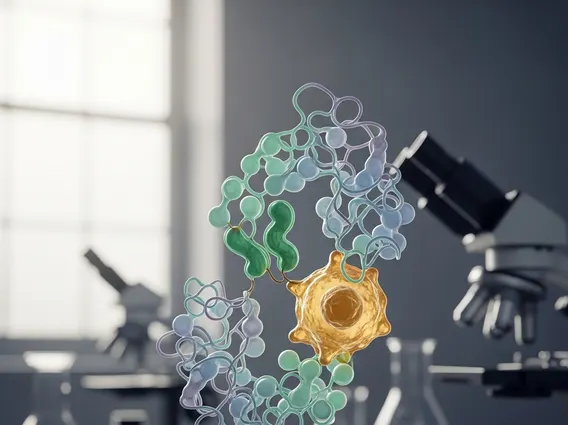
Immunotoxin refers to a specialized type of targeted therapeutic agent designed to selectively kill specific cells, most notably cancer cells. It is a chimeric molecule composed of two main parts: a targeting moiety and a cytotoxic component. The targeting moiety, typically an an antibody or a growth factor, is responsible for recognizing and binding to specific antigens or receptors expressed on the surface of the target cells. The cytotoxic component, often derived from bacterial or plant toxins, is highly potent and capable of inducing cell death once delivered inside the target cell. This precise targeting mechanism allows immunotoxins to deliver their toxic payload with high specificity, aiming to spare healthy cells from damage.
Immunotoxin Mechanism of Action
The Immunotoxin mechanism of action is a multi-step process that ensures the selective destruction of target cells. It begins with the immunotoxin binding to its specific receptor on the surface of the target cell. This binding event triggers receptor-mediated endocytosis, a cellular process where the immunotoxin-receptor complex is internalized into the cell within a vesicle called an endosome. Once inside the endosome, the acidic environment or specific proteases often facilitate the release of the toxin component from the targeting moiety.
The active toxin then translocates from the endosome into the cell’s cytosol. In the cytosol, the toxin exerts its cytotoxic effect, which commonly involves inhibiting protein synthesis by inactivating ribosomes, leading to the disruption of essential cellular functions and ultimately inducing programmed cell death (apoptosis) in the target cell.
Immunotoxin Therapy Applications
Immunotoxin therapy applications are predominantly found within the field of oncology, where these agents are utilized to treat a range of cancers. They have demonstrated particular efficacy in hematological malignancies, such as certain types of leukemia and lymphoma, where cancer cells often express well-defined and accessible surface antigens. For instance, immunotoxins targeting CD22 or CD25 have been developed for specific B-cell lymphomas and leukemias.
While challenges exist, including antigen heterogeneity and drug penetration, research continues to explore their potential in solid tumors, such as brain tumors, mesothelioma, and various carcinomas. The goal is to identify unique surface markers on solid tumor cells that can be effectively targeted. Ongoing Immunotoxin drug development is focused on addressing these challenges by engineering new immunotoxins with improved specificity, reduced immunogenicity, and enhanced intracellular delivery. This includes developing recombinant immunotoxins that are fully humanized or de-immunized to minimize adverse immune responses, as well as exploring novel toxin components with different mechanisms of action.
Key areas of application and development include:
- Targeting specific B-cell lymphomas and leukemias that express particular surface markers.
- Investigating efficacy in certain brain tumors and pancreatic cancers where traditional treatments are limited.
- Developing strategies to overcome drug resistance mechanisms in various cancer cells.
- Improving the safety profile through advanced engineering techniques to reduce off-target toxicity.



















