
Immune Cell
Immune cells are fundamental components of the body’s defense system, tirelessly working to protect against a vast array of threats. These specialized cells are crucial for identifying and neutralizing harmful pathogens, abnormal cells, and foreign substances that can compromise health.
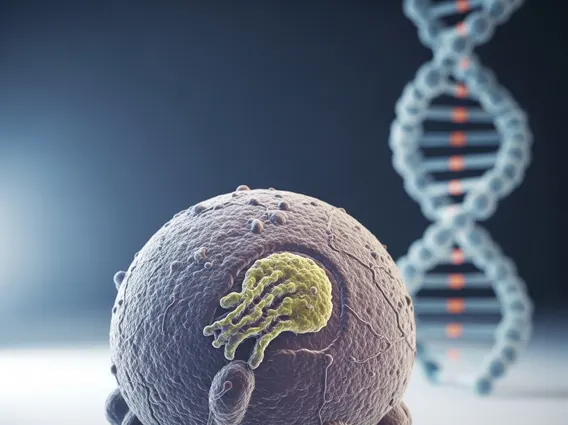
Key Takeaways
- Immune cells are specialized white blood cells forming the core of the body’s defense system.
- They are categorized into innate and adaptive immune cells, each with distinct roles in protection.
- Key types include neutrophils, macrophages, lymphocytes (T and B cells), and natural killer cells.
- Their primary function is to identify, target, and eliminate pathogens, infected cells, and cancerous cells.
- Immune cells protect the body through coordinated responses, including inflammation, phagocytosis, and targeted destruction.
What is an Immune Cell?
An Immune Cell refers to any cell involved in the immune system, the complex network responsible for defending the body against infection and disease. These cells are primarily a type of white blood cell, also known as leukocytes, which originate from stem cells in the bone marrow. They circulate throughout the blood, lymphatic system, and tissues, constantly monitoring for signs of trouble.
The immune system is broadly divided into two main branches: the innate immune system and the adaptive immune system. Immune cells belonging to the innate system provide immediate, non-specific defense, acting as the body’s first line of protection. In contrast, cells of the adaptive immune system offer a highly specific and long-lasting response, capable of remembering past encounters with pathogens.
Types and Functions of Immune Cells
The body employs a diverse array of types of immune cells, each with specialized roles in maintaining health and combating threats. These cells work in concert to detect and eliminate foreign invaders or abnormal cells. Understanding the function of immune cells is key to appreciating the complexity of our natural defenses.
Here are some of the primary types of immune cells and their functions:
- Phagocytes: These cells engulf and digest pathogens and cellular debris.
- Neutrophils: Abundant and fast-acting, they are typically the first responders to infection, especially bacterial ones.
- Macrophages: Larger phagocytes that not only engulf pathogens but also present antigens to other immune cells, initiating adaptive responses.
- Dendritic Cells: Highly effective at capturing antigens and presenting them to T cells, bridging the innate and adaptive immune systems.
- Lymphocytes: These are central to the adaptive immune response.
- B Cells: Produce antibodies that neutralize pathogens and mark them for destruction.
- T Cells: Directly kill infected cells (cytotoxic T cells), help activate other immune cells (helper T cells), or regulate immune responses (regulatory T cells).
- Natural Killer (NK) Cells: Part of the innate immune system, they detect and kill virus-infected cells and cancer cells without prior activation.
- Mast Cells and Basophils: Involved in allergic reactions and defense against parasites, releasing histamine and other inflammatory mediators.
- Eosinophils: Primarily target parasites and play a role in allergic responses.
Each type contributes uniquely to the overall immune response, ensuring a comprehensive defense strategy against diverse threats.
How Immune Cells Protect the Body
Immune cells protect the body through a sophisticated and coordinated series of actions designed to identify, isolate, and eliminate threats. When a pathogen enters the body, immune cells are rapidly mobilized to the site of infection. This process often begins with innate immune cells, such as neutrophils and macrophages, which initiate an inflammatory response. Inflammation helps to contain the infection, recruit more immune cells, and facilitate tissue repair.
Following the initial innate response, adaptive immune cells, particularly T cells and B cells, are activated. B cells produce specific antibodies that bind to pathogens, neutralizing them or marking them for destruction by other immune cells. T cells, on the other hand, can directly kill infected body cells or help coordinate the activities of other immune cells. This targeted approach ensures that the immune response is highly effective against specific threats and can develop immunological memory, allowing for a faster and stronger response upon subsequent exposure to the same pathogen.



















