Hereditary
The term Hereditary refers to the biological process by which genetic information is passed from parents to their offspring. This fundamental aspect of biology determines many characteristics and predispositions, influencing health and development across generations.
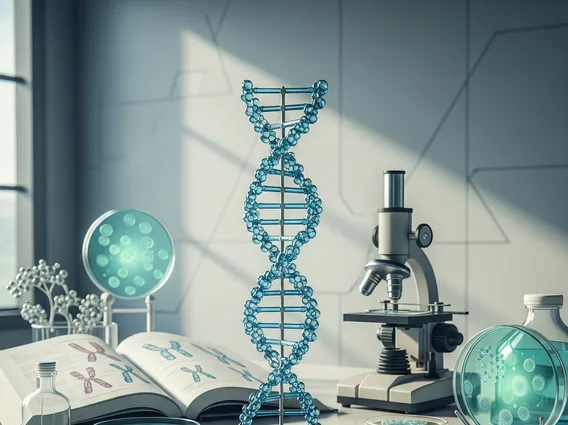
Key Takeaways
- Hereditary refers to traits or conditions passed down through genes from parents to children.
- Genetic material, primarily DNA, dictates these inherited characteristics.
- Hereditary traits include physical attributes like eye color and blood type.
- Hereditary diseases are conditions caused by genetic mutations or chromosomal abnormalities.
- Understanding hereditary patterns is crucial for genetic counseling and disease management.
What is Hereditary?
Hereditary refers to the transmission of characteristics from parents to their children through genes. This process, known as inheritance, is the cornerstone of biological continuity and diversity. Essentially, what does hereditary mean is that an individual receives a unique combination of genetic material, primarily DNA, from their biological mother and father. These genes contain instructions for building and maintaining an organism, influencing everything from physical appearance to susceptibility to certain diseases.
The study of heredity, or genetics, explores how these traits are passed down and how variations arise. Each human cell contains approximately 20,000 to 25,000 genes, organized into 23 pairs of chromosomes. One set of 23 chromosomes comes from each parent, ensuring a blend of genetic information. This intricate system ensures that while offspring share many similarities with their parents, they also possess their own unique genetic makeup.
Hereditary Traits in Humans
Many of our defining characteristics are hereditary traits in humans, determined by the genes we inherit. These traits can be broadly categorized into physical attributes, physiological functions, and even certain behavioral predispositions. The expression of these traits depends on whether the genes are dominant or recessive, and sometimes on the interaction of multiple genes (polygenic inheritance) or environmental factors.
Examples of common hereditary traits include:
- Eye Color: Determined by multiple genes, leading to variations like blue, brown, or green eyes.
- Hair Color and Type: Genes influence whether hair is dark or light, straight or curly.
- Blood Type: Inherited from parents, blood types (A, B, AB, O) are crucial for transfusions and medical compatibility.
- Height: While influenced by nutrition and environment, a significant portion of an individual’s height potential is genetically determined.
- Dimples or Freckles: These minor physical features can also be passed down through generations.
Understanding these inherited characteristics helps explain family resemblances and the diversity within the human population.
Understanding Hereditary Diseases and Conditions
Beyond physical traits, genetic inheritance also plays a critical role in health, leading to what are known as hereditary diseases and conditions. These are disorders caused by abnormalities in an individual’s genetic material, which can range from single-gene mutations to chromosomal aberrations. Hereditary diseases explained often involve a faulty gene passed down from one or both parents, or a new mutation that occurs spontaneously.
The impact of hereditary conditions can vary widely, from mild symptoms to severe, life-threatening illnesses. Some well-known examples include cystic fibrosis, sickle cell anemia, Huntington’s disease, and certain forms of cancer predisposition. Providing hereditary conditions information is vital for early diagnosis, genetic counseling, and informed family planning. According to the World Health Organization (WHO), genetic disorders contribute significantly to infant mortality and chronic diseases globally, underscoring their public health importance.
Advances in genetic testing and research offer hope for better understanding, prevention, and treatment of these conditions. Genetic counseling can help individuals and families understand their risk of inheriting or passing on a genetic disorder, offering guidance on reproductive options and disease management strategies.