Guanine
Guanine is a fundamental organic compound, specifically a purine nucleobase, that plays a critical role in the structure and function of all living organisms. It is one of the four primary nucleobases found in DNA and RNA, essential for genetic information storage and transfer.

Key Takeaways
- Guanine is a purine nucleobase, a fundamental building block of DNA and RNA.
- Its unique chemical structure allows it to form three hydrogen bonds with cytosine, stabilizing nucleic acid structures.
- In DNA, guanine pairs exclusively with cytosine, contributing to the double helix’s stability and genetic code integrity.
- In RNA, guanine also pairs with cytosine and is involved in various RNA structures and functions, including protein synthesis.
- The integrity of guanine is vital for accurate genetic information transfer and overall cellular health.
What is Guanine: Definition and Key Biological Role
Guanine is a nitrogenous base, classified as a purine, that is an integral component of nucleic acids, deoxyribonucleic acid (DNA) and ribonucleic acid (RNA). Its primary Guanine definition and biological role centers on its function as one of the four nucleobases—adenine (A), guanine (G), cytosine (C), and thymine (T) in DNA, or uracil (U) in RNA—that form the genetic alphabet. In biological systems, guanine is crucial for encoding genetic information, participating directly in the replication, transcription, and translation processes that underpin life.
Beyond its role in nucleic acids, guanine derivatives are also involved in various metabolic pathways. For instance, guanosine triphosphate (GTP), a molecule containing guanine, serves as an energy source for protein synthesis and signal transduction, highlighting its broad importance in cellular biochemistry. The precise arrangement of guanine and other bases along a DNA or RNA strand dictates the genetic code, which in turn specifies the sequence of amino acids in proteins, thereby controlling all cellular functions.
Guanine’s Chemical Structure and Properties
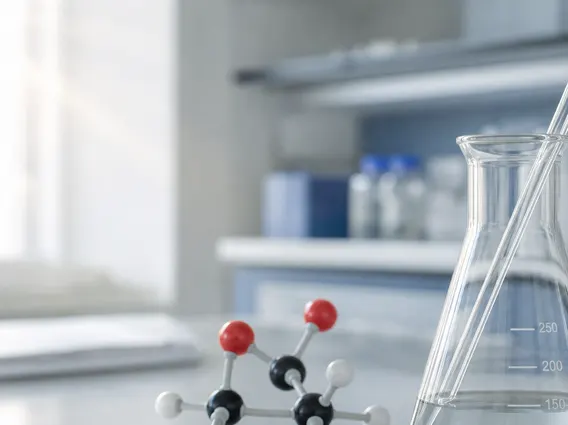
The Guanine chemical structure and properties are key to its biological functions. Chemically, guanine is a heterocyclic aromatic organic compound with the formula C5H5N5O. It consists of a fused pyrimidine-imidazole ring system, characteristic of purines. This structure includes a carbonyl group (C=O) and an amino group (-NH2), which are critical for its ability to form hydrogen bonds.
Guanine is a relatively stable molecule, but it can undergo various chemical modifications, some of which can be detrimental to genetic integrity. Its tautomeric forms, particularly the keto-enol tautomerism, are important in understanding its base-pairing properties. In its most common keto form, guanine can form three hydrogen bonds with cytosine: two between the amino group of guanine and the carbonyl oxygen and amino group of cytosine, and one between the carbonyl oxygen of guanine and the amino group of cytosine. This strong triple hydrogen bonding contributes significantly to the stability of the DNA double helix.
Guanine in Nucleic Acids: DNA and RNA
In DNA, guanine is one of the four nucleobases, where it exclusively pairs with cytosine (C) via three hydrogen bonds. This specific pairing, known as Watson-Crick base pairing, is fundamental to the structure of the DNA double helix and the accurate replication of genetic material. The high stability of the G-C pair, due to its three hydrogen bonds compared to the two in A-T pairs, influences the melting temperature of DNA and contributes to the overall structural integrity of the genome. The Importance of guanine in genetics cannot be overstated, as its precise pairing ensures the fidelity of genetic information passed from one generation to the next.
Similarly, in RNA, guanine also pairs with cytosine. RNA molecules, unlike DNA, are typically single-stranded but can fold into complex three-dimensional structures through intramolecular base pairing. Guanine-cytosine pairing plays a vital role in stabilizing these RNA structures, which are essential for various functions such as:
- Ribosomal RNA (rRNA) structure, critical for protein synthesis.
- Transfer RNA (tRNA) folding, enabling amino acid delivery during translation.
- Regulatory RNA functions, influencing gene expression.
The presence and accurate pairing of guanine in both DNA and RNA are thus central to the storage, expression, and maintenance of genetic information across all forms of life.