Granular Cell Tumor
A Granular Cell Tumor is a rare type of neoplasm that can develop in almost any part of the body, though it most commonly affects the skin, tongue, and subcutaneous tissues. These tumors are typically benign, but understanding their nature, diagnosis, and treatment is crucial for proper management.

Key Takeaways
- Granular Cell Tumor is a rare neoplasm originating from Schwann cells, which are part of the nervous system.
- They most frequently appear on the tongue, skin, and in the breast, but can occur almost anywhere in the body.
- Most Granular Cell Tumors are benign, but a small percentage can be malignant, requiring careful diagnosis.
- Diagnosis relies on biopsy and histopathological examination, revealing characteristic granular cells.
- The primary treatment is complete surgical removal to prevent recurrence, especially for benign tumors.
What is a Granular Cell Tumor?
Granular Cell Tumor is a relatively uncommon neoplasm believed to originate from Schwann cells, which are cells that produce the myelin sheath insulating nerve fibers. These tumors are characterized by their distinctive granular cytoplasm when viewed under a microscope. While they can occur at any age, they are most frequently observed in adults between 30 and 60 years old and are slightly more common in women. Granular Cell Tumors are considered rare, accounting for a small fraction of all soft tissue tumors, with an estimated incidence of 1 in 1000 surgical specimens, according to various medical literature reviews.
The most common sites for these tumors include the tongue, skin, breast, and subcutaneous tissues. However, they have been reported in virtually every organ system, including the gastrointestinal tract, respiratory tract, and even internal organs. Despite their widespread potential locations, the vast majority of Granular Cell Tumors are solitary and benign, meaning they do not spread to other parts of the body.
Granular Cell Tumor Symptoms, Diagnosis, and Malignancy
The presentation of a Granular Cell Tumor often involves a slow-growing, firm, and usually painless lump or nodule. Depending on its location, it might cause specific symptoms; for instance, a tumor on the tongue could interfere with speech or swallowing, while a skin lesion might be noticed due to its appearance. However, many tumors, especially those in internal organs, may remain asymptomatic until they reach a significant size or are discovered incidentally during other medical examinations. Therefore, recognizing Granular cell tumor symptoms diagnosis often begins with the patient or a clinician noticing an unusual mass.
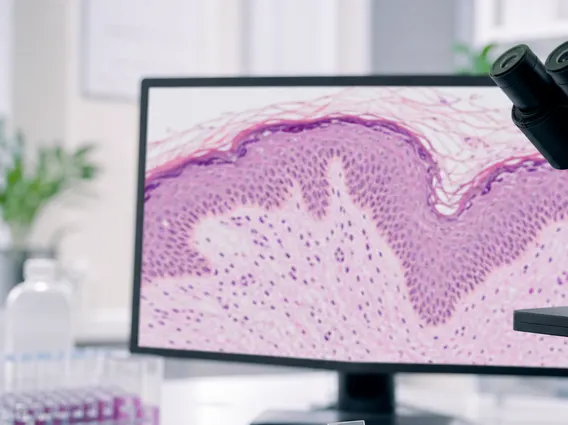
Diagnosis is definitively established through a biopsy, where a tissue sample is taken and examined under a microscope by a pathologist. Histopathological examination reveals the characteristic large, polygonal cells with abundant eosinophilic, granular cytoplasm. Immunohistochemical staining, which uses antibodies to detect specific antigens in the tissue, also plays a crucial role in confirming the diagnosis and differentiating it from other tumor types. These tumors typically stain positive for S-100 protein, supporting their neural origin.
While most Granular Cell Tumors are benign, a critical question often arises: Is granular cell tumor cancerous? The answer is that while the vast majority (approximately 97-99%) are benign, a small percentage (1-3%) can be malignant. Malignant Granular Cell Tumors are aggressive and have the potential to metastasize (spread) to distant sites. Features that may suggest malignancy include rapid growth, larger tumor size (typically greater than 5 cm), necrosis (tissue death), increased mitotic activity (cell division), and pleomorphism (variation in cell size and shape). Distinguishing between benign and malignant forms is paramount for guiding appropriate treatment and prognosis, often requiring careful evaluation by an experienced pathologist.
Treatment Options for Granular Cell Tumors
The primary and most effective approach for Granular cell tumor treatment options is complete surgical excision. The goal of surgery is to remove the entire tumor along with a margin of healthy surrounding tissue to minimize the risk of recurrence. For benign tumors, complete surgical removal is usually curative. Due to the infiltrative nature of some Granular Cell Tumors, especially those in sensitive areas, achieving clear margins can sometimes be challenging, necessitating careful surgical planning.
In cases where complete excision is difficult or for malignant Granular Cell Tumors, additional treatments may be considered, though their efficacy is less established due to the rarity of the malignant form. These might include radiation therapy or chemotherapy, but their role is typically limited and reserved for aggressive or recurrent cases. Regular follow-up is recommended after surgery, particularly for tumors with atypical features or those that were not completely excised, to monitor for any signs of recurrence. The prognosis for benign Granular Cell Tumors is excellent after complete surgical removal.
Here are key considerations for treatment:
- Surgical Excision: Standard treatment for both benign and malignant tumors.
- Margin Assessment: Crucial to ensure complete removal and prevent recurrence.
- Follow-up: Regular monitoring is advised, especially for larger or incompletely excised tumors.
- Adjuvant Therapies: Radiation or chemotherapy may be considered for malignant or recurrent cases, but are not standard for benign forms.