Gastrointestinal Tract
The Gastrointestinal Tract is a vital organ system responsible for processing food, absorbing nutrients, and eliminating waste. Understanding its complex structure and functions is fundamental to comprehending overall human health.
Key Takeaways
- The Gastrointestinal Tract (GI) is a long, continuous tube extending from the mouth to the anus, crucial for digestion.
- Its primary functions include ingesting food, breaking it down, absorbing essential nutrients, and expelling undigested waste.
- The GI tract comprises several organs, including the esophagus, stomach, small intestine, and large intestine, each with specialized roles.
- Many common conditions, such as Irritable Bowel Syndrome (IBS) and Gastroesophageal Reflux Disease (GERD), can affect the GI tract.
- Maintaining a healthy GI tract is essential for nutrient absorption and overall well-being.
What is the Gastrointestinal Tract (GI)?
The Gastrointestinal Tract (GI), often referred to as the digestive tract, is a series of hollow organs joined in a long, twisting tube from the mouth to the anus. Its main purpose is to transport food, digest it into smaller molecules, absorb nutrients and water into the bloodstream, and eliminate undigested material. This intricate system is essential for converting the food we eat into the energy and building blocks our bodies need to function.
The entire process involves mechanical and chemical digestion, where food is physically broken down and chemically altered by enzymes and acids. The efficiency of the Gastrointestinal Tract directly impacts nutrient availability and overall health, making its proper functioning critical for survival and well-being.
Anatomy and Functions of the Gastrointestinal Tract
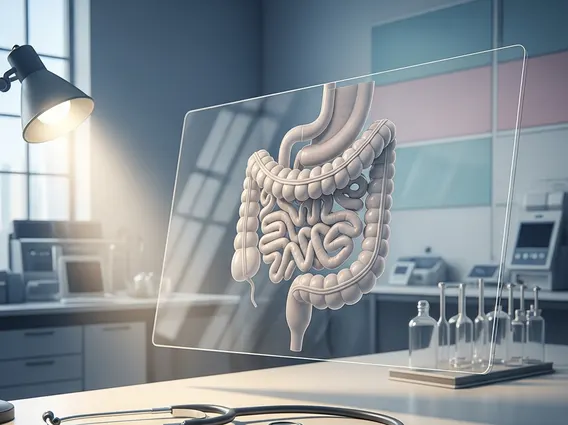
The Anatomy of the digestive system is remarkably complex, involving a coordinated effort among various organs. It begins with the mouth, where food is chewed and mixed with saliva, initiating the digestive process. From there, food travels down the esophagus to the stomach, a muscular organ that churns food and mixes it with gastric acids and enzymes.
Following the stomach, partially digested food enters the small intestine, where most nutrient absorption occurs. This highly coiled tube is lined with villi and microvilli, increasing its surface area for efficient absorption. The remaining undigested material then moves into the large intestine, which primarily absorbs water and electrolytes, forming stool. Finally, stool is stored in the rectum before being eliminated through the anus.
The Functions of the human GI tract can be broadly categorized into four main processes:
- Ingestion: The act of taking food into the body through the mouth.
- Digestion: The breakdown of food into smaller molecules, both mechanically (chewing, churning) and chemically (enzymes, acids).
- Absorption: The process by which nutrients pass from the GI tract into the blood or lymph for distribution throughout the body.
- Elimination: The removal of indigestible waste products from the body in the form of feces.
Accessory organs like the liver, gallbladder, and pancreas also play crucial roles by producing digestive enzymes and bile, which aid in the breakdown of fats and other nutrients, though food does not directly pass through them.
Common Conditions Affecting the Gastrointestinal Tract
The Gastrointestinal Tract is susceptible to a wide range of conditions that can disrupt its normal functioning and significantly impact an individual’s quality of life. Understanding these Common diseases of the gastrointestinal tract is important for early diagnosis and effective management.
One prevalent condition is Irritable Bowel Syndrome (IBS), a functional disorder characterized by abdominal pain, bloating, and changes in bowel habits without any visible signs of damage or disease in the digestive tract. Estimates suggest that IBS affects approximately 5-10% of the global population, making it one of the most frequently diagnosed GI disorders (Source: World Gastroenterology Organisation).
Other common conditions include Gastroesophageal Reflux Disease (GERD), where stomach acid frequently flows back into the esophagus, causing heartburn and potential damage. Inflammatory Bowel Disease (IBD), which includes Crohn’s disease and ulcerative colitis, involves chronic inflammation of parts of the digestive tract. Celiac disease, an autoimmune disorder triggered by gluten consumption, also falls into this category, leading to damage in the small intestine.
These conditions often require medical diagnosis and management, which may involve dietary changes, medication, and in some cases, surgical intervention. Early recognition of symptoms and consultation with a healthcare professional are vital for preventing complications and improving patient outcomes.