
Gastrointestinal Stromal Tumor
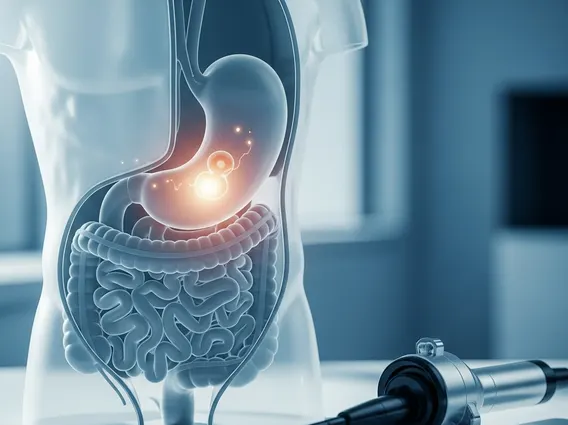
Gastrointestinal Stromal Tumor (GIST) is a rare type of cancer that originates in the digestive tract. Understanding its nature, symptoms, and available treatments is crucial for effective management.
Key Takeaways
- Gastrointestinal Stromal Tumor (GIST) is a rare cancer of the digestive system, most commonly found in the stomach or small intestine.
- It originates from specialized nerve cells called interstitial cells of Cajal.
- Common symptoms include abdominal pain, bleeding, fatigue, and unexplained weight loss.
- The primary cause involves specific genetic mutations, particularly in the KIT or PDGFRA genes.
- Treatment typically involves surgical removal, often complemented by targeted therapy medications like imatinib.
What is Gastrointestinal Stromal Tumor (GIST)?
A Gastrointestinal Stromal Tumor (GIST) is a rare form of cancer that develops in the walls of the gastrointestinal (GI) tract. These tumors originate from specialized cells called interstitial cells of Cajal (ICCs), which are part of the autonomic nervous system and help regulate gut movement. While GISTs can occur anywhere along the GI tract, they are most frequently found in the stomach (about 60% of cases) and the small intestine (about 25-30% of cases), with fewer occurrences in the esophagus, colon, or rectum.
GISTs are distinct from other types of gastrointestinal cancers, such as adenocarcinomas, which arise from the epithelial lining of the digestive organs. They are characterized by specific genetic mutations, most commonly in the KIT or PDGFRA genes, which lead to uncontrolled cell growth. According to the American Cancer Society, GISTs are rare, with estimates suggesting around 3,300 to 6,000 new cases diagnosed in the U.S. each year.
Symptoms and Causes of Gastrointestinal Stromal Tumor
The presence of a gastrointestinal stromal tumor symptoms can vary widely depending on the tumor’s size, location, and whether it has spread. In early stages, GISTs may not cause any noticeable symptoms and are often discovered incidentally during examinations for other conditions. As the tumor grows, it can lead to a range of issues due to its impact on the digestive system or bleeding.
Common symptoms include:
- Abdominal pain or discomfort
- Gastrointestinal bleeding, which may manifest as black, tarry stools (melena) or blood in vomit (hematemesis)
- Anemia, resulting from chronic blood loss, leading to fatigue and weakness
- Unexplained weight loss
- Nausea and vomiting
- A palpable mass in the abdomen
- Difficulty swallowing (dysphagia) if the tumor is in the esophagus
Regarding gastrointestinal stromal tumor causes, the exact reason why GISTs develop is not fully understood, but they are primarily linked to specific genetic mutations. The most common mutations occur in the KIT gene (around 80-85% of cases) or the PDGFRA gene (around 5-10% of cases). These mutations are typically acquired during a person’s lifetime (somatic mutations) rather than being inherited, meaning they are not passed down through families. These genetic changes lead to overactive signaling pathways that promote uncontrolled cell growth and division, forming the tumor. In a small percentage of cases, GISTs can be associated with rare inherited syndromes, such as Carney-Stratakis syndrome or neurofibromatosis type 1.
Gastrointestinal Stromal Tumor Treatment Options
The approach to gastrointestinal stromal tumor treatment options is highly individualized, depending on factors such as the tumor’s size, location, mitotic rate (how quickly cells are dividing), and whether it has spread to other parts of the body. The primary goal of treatment is to remove the tumor and prevent its recurrence or progression.
The main treatment modalities include:
- Surgical Resection: For localized GISTs, surgical removal is often the preferred and most effective treatment. The aim is to completely remove the tumor while preserving as much of the affected organ as possible. In many cases, minimally invasive laparoscopic surgery can be performed, leading to quicker recovery times.
- Targeted Therapy: This is a cornerstone of GIST treatment, especially for tumors that are unresectable (cannot be surgically removed), metastatic (have spread), or have a high risk of recurrence after surgery. Targeted therapies, such as imatinib (Gleevec), are tyrosine kinase inhibitors that specifically block the activity of the mutated KIT or PDGFRA proteins, thereby inhibiting tumor growth. Other targeted drugs like sunitinib (Sutent) or regorafenib (Stivarga) may be used if imatinib is not effective or tolerated.
- Adjuvant Therapy: After surgical removal of a GIST, adjuvant targeted therapy (typically imatinib) may be prescribed for several years to reduce the risk of the tumor returning, especially for high-risk cases.
- Neoadjuvant Therapy: In some situations, targeted therapy may be given before surgery (neoadjuvant therapy) to shrink a large tumor, making it easier and safer to remove surgically.
Regular follow-up with imaging scans and clinical evaluations is essential after treatment to monitor for any signs of recurrence. While alternative or complementary therapies may be discussed, it is important to note that these are supportive only and do not replace established medical treatments for Gastrointestinal Stromal Tumor.



















