
Gastritis
Gastritis is a common medical condition characterized by inflammation of the stomach lining. This inflammation can occur suddenly (acute gastritis) or develop gradually over time (chronic gastritis), leading to a range of uncomfortable symptoms.
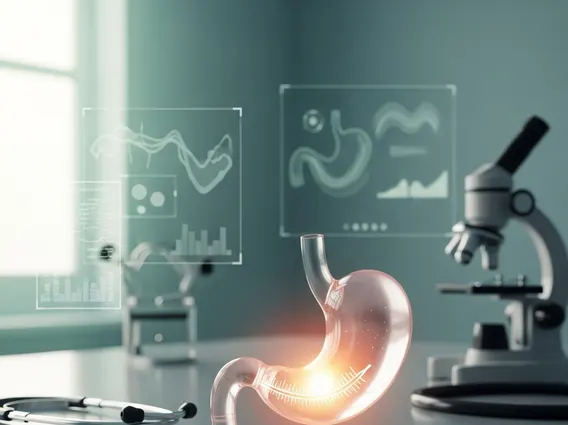
Key Takeaways
- Gastritis is the inflammation of the stomach lining, presenting with symptoms like abdominal pain, nausea, and indigestion.
- Common causes include H. pylori infection, NSAID use, excessive alcohol, and stress.
- Diagnosis typically involves endoscopy and biopsy, sometimes with tests for H. pylori.
- Treatment focuses on reducing stomach acid, eradicating infections, and dietary adjustments.
- A tailored diet plan is crucial for managing inflammation and promoting healing of the stomach lining.
What is Gastritis and Its Symptoms?
Gastritis refers to the inflammation of the stomach lining, a protective layer known as the gastric mucosa. This condition can erode the stomach’s protective barrier, making it vulnerable to digestive acids. It can manifest in various forms, from acute, short-lived episodes to chronic, long-term inflammation that can lead to more severe complications if left untreated.
The symptoms associated with gastritis can vary in intensity and may include:
- Gnawing or burning pain in the upper abdomen, which may worsen or improve with eating
- Nausea and vomiting
- A feeling of fullness in the upper abdomen after eating
- Loss of appetite
- Indigestion (dyspepsia)
- Bloating
- Dark, tarry stools or vomiting blood (in severe cases, indicating bleeding)
According to the World Gastroenterology Organisation, chronic gastritis, particularly due to Helicobacter pylori infection, is highly prevalent globally, affecting a significant portion of the adult population in many regions.
Causes and Diagnosis of Gastritis
The causes of gastritis are diverse, ranging from infections to lifestyle factors. One of the most common culprits is infection with the bacterium Helicobacter pylori (H. pylori), which can colonize the stomach lining and lead to chronic inflammation and ulcers. Other significant causes include the regular use of nonsteroidal anti-inflammatory drugs (NSAIDs) like ibuprofen or aspirin, excessive alcohol consumption, and severe stress (stress-induced gastritis).
To accurately determine the underlying cause and severity of the condition, healthcare professionals employ several diagnostic methods. Diagnosing gastritis condition typically involves a physical examination and a review of the patient’s medical history and symptoms. Further diagnostic tests may include:
- Endoscopy with Biopsy: A thin, flexible tube with a camera (endoscope) is inserted down the throat into the stomach to visualize the lining. Tissue samples (biopsies) can be taken for microscopic examination to confirm inflammation and identify specific causes like H. pylori.
- Blood Tests: These can check for anemia (due to bleeding), H. pylori antibodies, or other infections.
- Stool Tests: Used to detect H. pylori antigens or blood in the stool, which can indicate gastrointestinal bleeding.
- Breath Test: A non-invasive test to detect H. pylori infection.
Identifying the specific cause is crucial for effective treatment planning, as therapies are often tailored to address the root issue.
Gastritis Treatment and Diet Plan
Treatment for gastritis focuses on reducing stomach acid, eradicating any underlying infection, and allowing the stomach lining to heal. Medications commonly prescribed include antacids to neutralize stomach acid, H2 blockers (e.g., famotidine) to reduce acid production, and proton pump inhibitors (PPIs like omeprazole) for more potent acid suppression. If H. pylori is detected, a combination of antibiotics will be prescribed to eliminate the bacteria.
Alongside medical treatment, a gastritis diet plan for inflammation is a vital component of managing the condition and preventing flare-ups. Dietary modifications aim to reduce irritation to the stomach lining and promote healing. This typically involves avoiding foods that can trigger or worsen symptoms, such as:
- Spicy foods
- Acidic foods (e.g., tomatoes, citrus fruits)
- Fatty or fried foods
- Alcohol and caffeine
- Carbonated drinks
Instead, individuals are encouraged to consume bland, easily digestible foods, including lean proteins, whole grains, and non-acidic fruits and vegetables. Eating smaller, more frequent meals can also help reduce the burden on the stomach. It is important to consult with a healthcare provider or a registered dietitian to develop a personalized diet plan that supports recovery and overall digestive health.



















