Fundus
In medical and anatomical contexts, the term Fundus refers to the part of a hollow organ that is farthest from the opening. This anatomical designation is crucial for understanding the structure and function of various organs throughout the human body.
Key Takeaways
- The Fundus is an anatomical term describing the part of a hollow organ farthest from its opening.
- It applies to several organs, including the eye, stomach, and uterus, each with distinct functions.
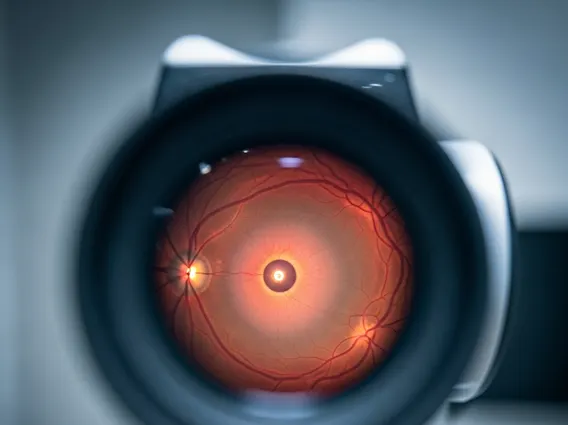
- The fundus of the eye is vital for vision, observed during ophthalmoscopy.
- The fundus of the stomach plays a key role in digestion, particularly gas accumulation and food storage.
- The fundus of the uterus is the primary site for fetal development during pregnancy.
What is Fundus in Anatomy?
The term Fundus, when used in anatomy, consistently denotes the base or the part of a hollow organ that is most distant from its mouth or opening. This anatomical description helps differentiate specific regions within complex structures, aiding in diagnosis, surgical procedures, and understanding physiological processes. For instance, while an organ might have a body, neck, or apex, its fundus represents a distinct, often rounded or dome-shaped, terminal portion.
Understanding what is Fundus in anatomy is fundamental for medical professionals, as it provides a standardized way to describe locations within organs like the bladder, gallbladder, and even the tympanic membrane (eardrum). Its consistent application across different systems underscores its importance in precise anatomical communication and clinical practice.
Specific Fundus Structures: Eye, Stomach, and Uterus
The concept of the fundus is applied to several vital organs, each with unique significance. Examining these specific instances provides a clearer understanding of the term’s practical application in medicine.
Fundus of the Eye
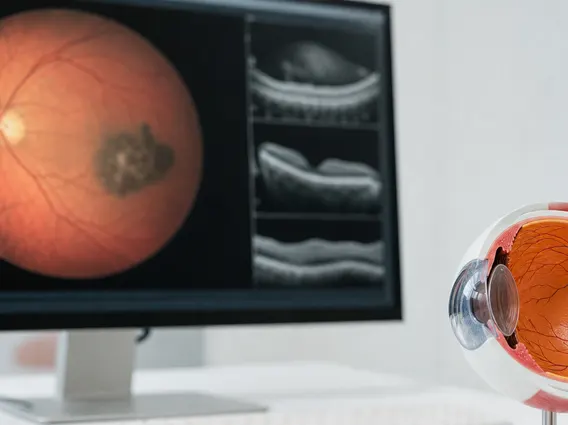
The fundus of eye meaning and function refers to the interior posterior surface of the eyeball, opposite the lens, which includes the retina, optic disc, macula, and fovea. This region is critical for vision, as it contains the photoreceptor cells responsible for detecting light and transmitting visual information to the brain. Medical examination of the fundus, known as ophthalmoscopy or fundoscopy, allows clinicians to directly observe blood vessels, the optic nerve head, and the retina, providing insights into various systemic diseases such as hypertension, diabetes, and glaucoma, as well as ocular conditions.
Fundus of the Stomach
The fundus of stomach definition describes the dome-shaped upper part of the stomach, located superior to the cardia (the opening where the esophagus connects to the stomach). This region primarily serves as a temporary storage area for food and plays a significant role in the accumulation of gases produced during digestion. The fundus can expand considerably to accommodate ingested food, and its muscular walls contribute to the churning and mixing processes that initiate digestion. It also contains specialized cells that secrete gastric juices.
Fundus of the Uterus
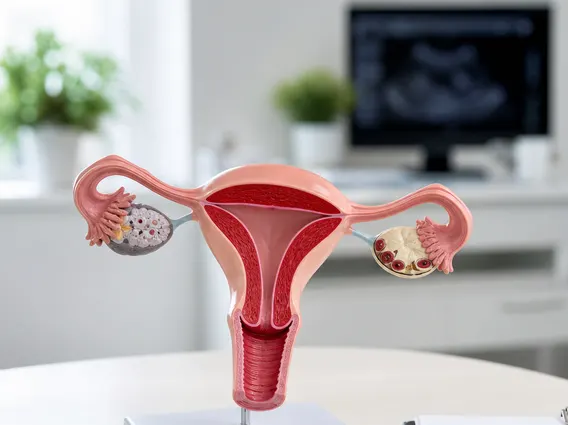
The fundus uteri medical explanation identifies the fundus as the uppermost, rounded part of the uterus, situated above the entrance of the fallopian tubes. This region is particularly significant during pregnancy, as it is the primary site where the fertilized egg implants and where the fetus develops. The height of the uterine fundus is a key measurement used by obstetricians to estimate gestational age and monitor fetal growth throughout pregnancy. After childbirth, the fundus contracts to help prevent excessive bleeding.
To further illustrate the distinct characteristics and functions of these specific fundus structures, refer to the table below:
| Organ | Fundus Location | Primary Function/Significance |
|---|---|---|
| Eye | Interior posterior surface of the eyeball | Vision; site for ophthalmoscopic examination of retina, optic disc, macula. |
| Stomach | Dome-shaped upper part, superior to the cardia | Temporary food storage; gas accumulation; contributes to digestion. |
| Uterus | Uppermost, rounded part, above fallopian tube entrances | Site of fetal development; measured for gestational age; contracts post-delivery. |