
Fibroid
Fibroid is a common medical term referring to non-cancerous growths that develop in the uterus. These growths, also known as uterine leiomyomas or myomas, are not associated with an increased risk of uterine cancer and almost never develop into cancer.
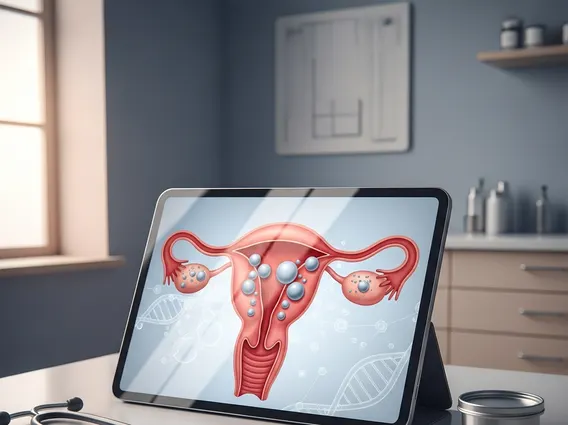
Key Takeaways
- Fibroids are non-cancerous uterine growths, extremely common among women, with up to 80% experiencing them by age 50.
- They are categorized by their location within the uterus, including intramural, subserosal, submucosal, and pedunculated types.
- Symptoms vary widely but can include heavy menstrual bleeding, pelvic pain, pressure, and frequent urination.
- The exact causes are unknown, but genetics, hormones, and other factors are believed to play a role.
- Diagnosis typically involves a pelvic exam followed by imaging tests like ultrasound or MRI.
What is Fibroid? Types of Uterine Fibroids Explained
A Fibroid is a benign tumor that originates from the smooth muscle tissue of the uterus. These growths can vary significantly in size, from tiny seedlings that are undetectable by the human eye to bulky masses that can distort and enlarge the uterus. While the exact cause remains unknown, their growth is often linked to estrogen and progesterone hormones, as they tend to shrink after menopause when hormone levels decline. According to the Centers for Disease Control and Prevention (CDC), uterine fibroids are very common, affecting as many as 80% of women by age 50.
Understanding the types of uterine fibroids explained is crucial for grasping their potential impact and symptoms. Fibroids are classified based on their location within the uterine wall:
- Intramural fibroids: These are the most common type, growing within the muscular wall of the uterus. They can enlarge the uterus and lead to symptoms such as heavy bleeding and pelvic pressure.
- Subserosal fibroids: These develop on the outer surface of the uterus. They can sometimes grow on a stalk, becoming pedunculated, and may press on nearby organs, causing discomfort.
- Submucosal fibroids: These grow into the uterine cavity, just beneath the lining. Even small submucosal fibroids can cause significant symptoms like heavy menstrual bleeding and prolonged periods, and they are often associated with fertility issues.
- Pedunculated fibroids: Both subserosal and submucosal fibroids can develop a stalk, or peduncle, connecting them to the uterus. If a pedunculated fibroid twists on its stalk, it can cause acute, severe pain.
Fibroid Symptoms and Causes
The presence of fibroid symptoms and causes can vary greatly among individuals. Many women with fibroids experience no symptoms at all, while others suffer from severe discomfort that affects their quality of life. The size, number, and location of the fibroids largely determine the type and severity of symptoms. Common symptoms include:
- Heavy or prolonged menstrual bleeding (menorrhagia)
- Pelvic pressure or pain
- Frequent urination
- Difficulty emptying the bladder
- Constipation
- Backache or leg pains
- Pain during intercourse
- Anemia due to excessive blood loss
While the precise causes of fibroids are not fully understood, several factors are believed to contribute to their development. Genetic predisposition plays a significant role, as fibroids often run in families. Hormones, particularly estrogen and progesterone, are known to fuel fibroid growth; fibroids contain more estrogen and progesterone receptors than normal uterine muscle cells. Other potential risk factors include obesity, a diet high in red meat and low in green vegetables, and certain ethnic backgrounds, with African American women having a higher incidence and often experiencing more severe symptoms.
How Are Fibroids Diagnosed?
The process of how are fibroids diagnosed typically begins with a thorough medical history and a pelvic exam. During the pelvic exam, a healthcare provider may feel irregularities in the shape or size of the uterus, which can indicate the presence of fibroids. If fibroids are suspected, further imaging tests are usually recommended to confirm the diagnosis, determine the size and location of the fibroids, and rule out other conditions.
Key diagnostic tools include:
- Ultrasound: This is the most common imaging test for fibroids. It uses sound waves to produce images of the uterus and ovaries, allowing the doctor to visualize fibroids and assess their size.
- Magnetic Resonance Imaging (MRI): An MRI provides a more detailed image of the uterus, ovaries, and other pelvic organs. It is often used for larger fibroids, when ultrasound results are unclear, or before surgical planning.
- Hysteroscopy: For submucosal fibroids, a hysteroscopy may be performed. A thin, lighted scope is inserted through the cervix into the uterus, allowing the doctor to directly visualize the inside of the uterine cavity.
- Laparoscopy: In some cases, a laparoscopy may be used, especially if fibroids are on the outer surface of the uterus. This involves a small incision in the abdomen through which a thin, lighted scope is inserted to view the pelvic organs.
Early and accurate diagnosis is essential for managing symptoms and discussing appropriate treatment options with a healthcare professional.



















