Fatty Liver Disease
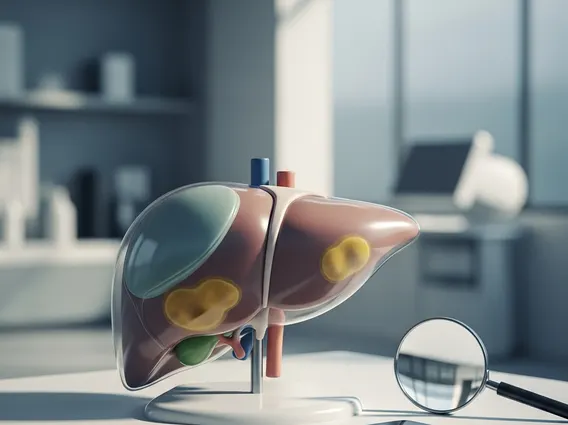
Fatty Liver Disease is a common condition characterized by the accumulation of excess fat in the liver cells. It can range from a mild, asymptomatic condition to severe liver damage, including inflammation, fibrosis, and cirrhosis.
Key Takeaways
- Fatty Liver Disease involves fat buildup in the liver and is often asymptomatic in its early stages.
- It encompasses two main types: Non-alcoholic Fatty Liver Disease (NAFLD) and Alcoholic Liver Disease (ALD).
- Fatty Liver Disease symptoms can include fatigue and discomfort, but often appear only as the disease progresses.
- Key Causes of fatty liver disease include obesity, type 2 diabetes, insulin resistance, and excessive alcohol consumption.
- Management primarily involves lifestyle changes, such as a healthy Fatty Liver Disease diet plan, regular exercise, and avoiding alcohol.
What is Fatty Liver Disease?
Fatty Liver Disease refers to a condition where too much fat is stored in liver cells. While it’s normal for the liver to contain some fat, if fat makes up more than 5-10% of the liver’s weight, it is considered fatty liver. This condition is increasingly prevalent worldwide, affecting approximately 25% of the global population, according to the World Health Organization (WHO).
There are two primary types of fatty liver disease: Non-alcoholic Fatty Liver Disease (NAFLD) and Alcoholic Liver Disease (ALD). NAFLD is the most common form and is not caused by heavy alcohol use. It often progresses through stages, starting with simple fatty liver (steatosis) and potentially advancing to non-alcoholic steatohepatitis (NASH), which involves inflammation and liver cell damage. ALD, conversely, is directly caused by excessive alcohol consumption, leading to fat accumulation, inflammation, and potential long-term damage.
Symptoms and Causes of Fatty Liver Disease
In its early stages, Fatty Liver Disease symptoms are often absent, making it a silent condition. Many individuals are diagnosed incidentally during tests for other health issues. When symptoms do appear, they are typically non-specific and can include:
- Fatigue and weakness
- Dull pain or discomfort in the upper right abdomen
- Unexplained weight loss
- Jaundice (yellowing of the skin and eyes) in advanced stages
- Swelling in the legs and abdomen (edema and ascites)
The primary Causes of fatty liver disease vary depending on the type. For NAFLD, risk factors are closely linked to metabolic syndrome. These include obesity, type 2 diabetes, insulin resistance, high cholesterol, and high triglycerides. Rapid weight loss and certain medications can also contribute. For ALD, the cause is chronic, heavy alcohol consumption, which damages liver cells and impairs the liver’s ability to metabolize fats.
Diet and Lifestyle Management for Fatty Liver Disease
Managing Fatty Liver Disease largely revolves around significant diet and lifestyle modifications, as there are currently no specific medications approved to treat the condition directly. A key component of treatment is a healthy Fatty Liver Disease diet plan, which focuses on reducing fat accumulation in the liver and improving overall metabolic health. This typically involves:
- Limiting processed foods, sugary drinks, and refined carbohydrates.
- Increasing intake of fruits, vegetables, whole grains, and lean proteins.
- Choosing healthy fats, such as those found in avocados, nuts, and olive oil.
- Reducing saturated and trans fats.
Achieving and maintaining a healthy weight through a balanced diet and regular physical activity is crucial, as even a modest weight loss of 5-10% can significantly reduce liver fat. For individuals with ALD, complete abstinence from alcohol is paramount to prevent further liver damage and allow for recovery. Additionally, managing underlying conditions such as diabetes and high cholesterol is essential for both types of fatty liver disease.