Excisional Skin Surgery
Excisional Skin Surgery is a common dermatological procedure used to remove suspicious or cancerous skin lesions. This surgical approach ensures the complete removal of the affected tissue, providing both diagnostic information and therapeutic treatment.
Key Takeaways
- Excisional Skin Surgery involves removing an entire skin lesion along with a margin of healthy tissue.
- It is primarily performed for the diagnosis and definitive treatment of various skin cancers and suspicious growths.
- The procedure is typically conducted under local anesthesia in an outpatient setting.
- Post-operative care focuses on wound management, pain control, and activity restrictions to promote healing.
- Pathology results from the excised tissue are crucial for guiding any subsequent treatment decisions.
What is Excisional Skin Surgery?
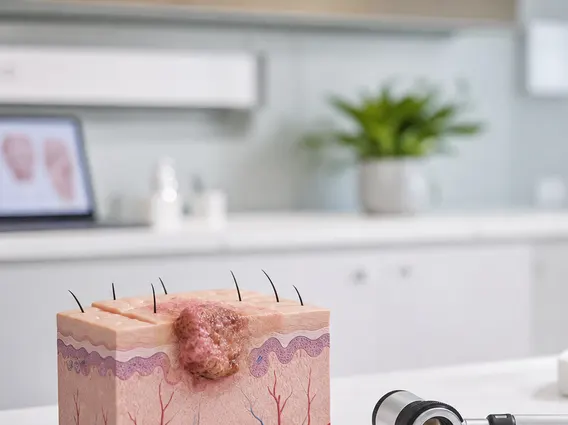
Excisional Skin Surgery refers to a surgical procedure where an entire skin lesion, such as a mole, cyst, or suspected skin cancer, is completely removed along with a surrounding margin of healthy tissue. This technique is often preferred when a lesion is highly suspicious for malignancy or when a definitive diagnosis and complete removal are required. The primary goals are to remove the lesion entirely and to obtain a tissue sample for pathological examination, which helps confirm the diagnosis and assess the extent of the disease.
This type of surgery is a cornerstone in dermatology and surgical oncology, particularly for conditions like basal cell carcinoma, squamous cell carcinoma, and melanoma. According to the American Academy of Dermatology, skin cancer is the most common cancer in the United States, affecting one in five Americans in their lifetime, underscoring the frequent need for procedures like excisional surgery to manage these conditions effectively.
The Excisional Biopsy Procedure
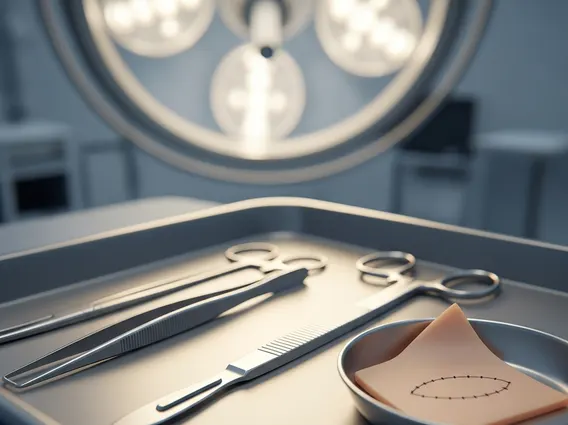
The excisional biopsy procedure explanation details the steps involved in surgically removing a skin lesion. Typically performed in an outpatient setting, the procedure begins with the area around the lesion being cleaned and numbed with a local anesthetic. This ensures the patient remains comfortable and pain-free throughout the surgery. Once the area is numb, the surgeon uses a scalpel to make an elliptical incision around the lesion, extending slightly into the healthy skin to ensure adequate margins. The depth of the incision depends on the type and suspected depth of the lesion.
After the lesion and the surrounding tissue are carefully removed, the wound is typically closed with sutures. The excised tissue is then sent to a pathology laboratory for microscopic examination. This comprehensive skin lesion removal surgery information is vital for diagnosis, determining if the lesion is benign or malignant, and assessing if all cancerous cells have been removed. The pathologist’s report guides any further treatment necessary.
Key steps in the procedure include:
- Local anesthesia administration to numb the surgical site.
- Careful incision around the lesion, often in an elliptical shape.
- Complete removal of the lesion and a small margin of healthy tissue.
- Closure of the wound with sutures (stitches).
- Sending the removed tissue to a pathology lab for analysis.
Recovery and Aftercare
Recovery from excisional skin surgery typically involves managing the surgical wound and following specific aftercare instructions to promote healing and minimize complications. Immediately after the procedure, a dressing will be applied to the wound. Patients are usually advised to keep the wound clean and dry, often avoiding direct water exposure for the first 24-48 hours. Pain is generally mild and can be managed with over-the-counter pain relievers.
It is crucial to avoid strenuous activities, heavy lifting, or any movements that might stretch or put tension on the surgical site, as this can disrupt the healing process or worsen scarring. Depending on the location and size of the excision, sutures are typically removed within one to three weeks. Patients will receive detailed instructions on wound care, including how to change dressings and recognize signs of infection, such as increased redness, swelling, warmth, or pus. Follow-up appointments are essential to monitor healing and discuss the pathology results, which will determine if any further treatment or monitoring is necessary.