Eeg
An Electroencephalogram (EEG) is a non-invasive medical test that measures electrical activity in the brain. This diagnostic tool plays a crucial role in identifying and monitoring various neurological conditions by recording brainwave patterns.
Key Takeaways
- An Electroencephalogram (EEG) is a diagnostic test that records the brain’s electrical activity.
- It works by detecting electrical signals generated by brain cells through electrodes placed on the scalp.
- EEG is essential for diagnosing conditions like epilepsy, sleep disorders, and evaluating brain function.
- The procedure is non-invasive, safe, and provides valuable insights into neurological health.
What is an Electroencephalogram (EEG)?
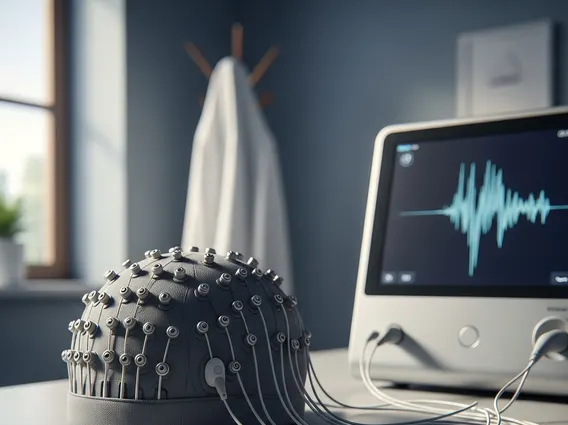
An Electroencephalogram (EEG) is a medical procedure used to record the electrical activity of the brain. This activity, often referred to as brainwaves, is generated by the communication between brain cells (neurons) and is vital for all brain functions, including thought, movement, and sensation. The EEG machine detects these electrical signals through small metal discs called electrodes, which are attached to the scalp. The recorded patterns provide a graphical representation of the brain’s ongoing electrical state, allowing healthcare professionals to observe abnormalities that might indicate neurological disorders.
The procedure is non-invasive and generally painless, making it a safe diagnostic tool for patients of all ages. It offers a real-time snapshot of brain function, distinguishing it from imaging techniques like MRI or CT scans that primarily show brain structure. According to the World Health Organization (WHO), neurological disorders are a leading cause of disability and mortality globally, making diagnostic tools like EEG indispensable for early detection and management.
EEG Function: Recording Brain Electrical Activity
The fundamental principle behind how an EEG works involves detecting the tiny electrical impulses produced by the brain’s neurons. When brain cells communicate, they generate electrical currents. These currents propagate through the brain tissue, skull, and scalp, eventually reaching the surface where they can be picked up by the electrodes. Each electrode transmits these signals to an electroencephalograph machine, which amplifies them and records them as wavy lines on a computer screen or paper.
The patterns of these brainwaves vary depending on the brain’s state, such as wakefulness, sleep, or during specific activities. For instance, alpha waves are typically associated with a relaxed, awake state, while delta waves are characteristic of deep sleep. By analyzing these different wave patterns, neurologists can gain insights into eeg brain activity explained by the EEG. Irregularities in these patterns, such as sharp spikes or slow waves, can indicate underlying neurological issues, providing critical information for diagnosis.
Clinical Applications and Uses of EEG
The applications of EEG are broad and crucial in the field of neurology. It serves as a primary diagnostic tool for several conditions affecting brain function. The primary eeg uses and applications include:
- Diagnosing Epilepsy: EEG is indispensable for identifying epilepsy, as it can detect abnormal electrical discharges characteristic of seizures.
- Evaluating Sleep Disorders: It helps diagnose conditions like sleep apnea, narcolepsy, and insomnia by monitoring brain activity during sleep.
- Assessing Brain Damage: EEG can help determine the extent of brain damage from head injuries, stroke, or inflammation (encephalitis).
- Monitoring Brain Function: During surgery, EEG can monitor brain activity to ensure adequate blood flow and oxygen supply.
- Confirming Brain Death: In critical care settings, a “flat” EEG pattern can help confirm brain death.
Beyond these primary uses, EEG is also employed in research to understand cognitive processes, brain development, and the effects of various medications on brain activity. Its ability to provide real-time data on brain electrical function makes it an invaluable, non-invasive method for both clinical diagnosis and scientific inquiry.