
Nafld
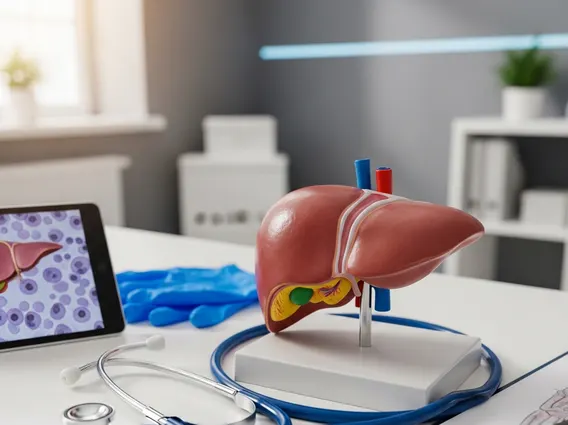
Nafld, or Non-Alcoholic Fatty Liver Disease, is a prevalent medical condition characterized by the accumulation of excess fat in the liver cells of individuals who consume little to no alcohol. It represents a spectrum of liver conditions, ranging from simple fatty liver to more severe forms like non-alcoholic steatohepatitis (NASH).
Key Takeaways
- NAFLD is a common liver condition involving fat accumulation, unrelated to heavy alcohol consumption.
- It often presents without clear symptoms in its early stages but can progress to more severe liver damage.
- Risk factors include obesity, type 2 diabetes, insulin resistance, and high cholesterol.
- Diagnosis typically involves blood tests, imaging (ultrasound, MRI), and sometimes a liver biopsy.
- Management primarily focuses on lifestyle modifications, including diet and exercise, to prevent progression.
What is NAFLD (Non-Alcoholic Fatty Liver Disease)?
Non-Alcoholic Fatty Liver Disease (NAFLD) refers to a condition where there is an excessive build-up of fat in the liver cells of people who drink little to no alcohol. It is the most common chronic liver disease globally, affecting approximately 25% of the adult population worldwide, with higher prevalence in Western countries. NAFLD encompasses a range of liver conditions, starting with simple hepatic steatosis, where fat accumulates without significant inflammation or liver cell damage.
However, NAFLD can progress to more severe forms, notably non-alcoholic steatohepatitis (NASH). NASH involves not only fat accumulation but also inflammation and liver cell injury, which can lead to fibrosis (scarring), cirrhosis (severe scarring that impairs liver function), and, in some cases, hepatocellular carcinoma (liver cancer). Understanding the progression from simple fatty liver to NASH is crucial for effective management and preventing serious complications.
NAFLD Symptoms, Causes, and Diagnosis
The early stages of NAFLD symptoms causes diagnosis are often silent, with many individuals experiencing no noticeable symptoms. When symptoms do occur, they are typically vague and non-specific, such as fatigue, weakness, or a dull ache in the upper right quadrant of the abdomen. As the disease progresses, particularly to NASH or cirrhosis, more pronounced symptoms like jaundice, swelling in the legs, or fluid accumulation in the abdomen may appear.
The primary causes and risk factors for NAFLD are closely linked to metabolic syndrome. These include obesity, type 2 diabetes, insulin resistance, high cholesterol, and high triglyceride levels. Genetics and certain medications can also play a role. Diagnosis often begins with routine blood tests that reveal elevated liver enzymes (alanine aminotransferase – ALT, and aspartate aminotransferase – AST). Further diagnostic steps include imaging techniques such as ultrasound, CT scans, or MRI to visualize fat in the liver. Specialized tests like FibroScan (transient elastography) can assess liver stiffness, indicating the presence and severity of fibrosis. A liver biopsy remains the gold standard for definitively diagnosing NASH and staging the extent of liver damage, though it is an invasive procedure.
NAFLD Treatment, Management, and Dietary Approaches
Currently, there is no specific medication universally approved for NAFLD treatment and management. The cornerstone of therapy involves significant lifestyle modifications aimed at addressing the underlying risk factors. The primary goal is to reduce liver fat and prevent the progression of the disease. This typically includes achieving and maintaining a healthy weight through a combination of reduced caloric intake and increased physical activity. Even a modest weight loss of 5-10% of body weight can significantly improve liver fat and inflammation. Regular exercise, such as brisk walking or cycling for at least 150 minutes per week, is also highly beneficial.
A crucial aspect of managing NAFLD is adopting appropriate diet for NAFLD patients. This involves making conscious food choices to support liver health. Key dietary recommendations include:
- Reducing intake of refined carbohydrates, such as white bread, pasta, and sugary drinks.
- Limiting foods high in saturated and trans fats, found in many processed snacks and fast foods.
- Increasing consumption of fruits, vegetables, and whole grains, which are rich in fiber and antioxidants.
- Opting for lean protein sources like fish, poultry, and legumes.
- Following a Mediterranean-style diet, which emphasizes healthy fats (e.g., olive oil), fish, nuts, and seeds, has shown promising results in improving NAFLD.
Additionally, while NAFLD is non-alcoholic, individuals with the condition are often advised to avoid alcohol entirely, as it can exacerbate liver damage and accelerate disease progression. Effective management also involves controlling associated conditions like type 2 diabetes, high blood pressure, and high cholesterol through medication and lifestyle changes, as recommended by a healthcare professional.



















