Nurse
A Nurse is a vital healthcare professional dedicated to providing comprehensive care to individuals, families, and communities. Their role encompasses a wide range of responsibilities, from direct patient care to health education and advocacy, forming the backbone of healthcare systems worldwide.

Key Takeaways
- Nurses are essential healthcare providers offering direct patient care, education, and support across various settings.
- Becoming a registered nurse typically requires an Associate’s Degree in Nursing (ADN) or a Bachelor of Science in Nursing (BSN) followed by passing the NCLEX-RN exam.
- The nursing profession offers numerous specialties, allowing nurses to focus on specific patient populations or medical fields.
- A nurse’s daily life involves diverse tasks, critical thinking, and continuous patient interaction, demanding both clinical skill and compassion.
- Nurses play a crucial role in patient recovery, prevention, and overall public health, making a significant impact on global well-being.
What is a Nurse and What Do They Do?
A Nurse is a trained and licensed healthcare professional who provides medical care, support, and education to patients. They work in diverse settings, including hospitals, clinics, schools, and homes, focusing on health promotion, disease prevention, and the care of the ill, disabled, and dying. The scope of practice for a nurse is broad and varies based on their education, specialization, and licensing jurisdiction.
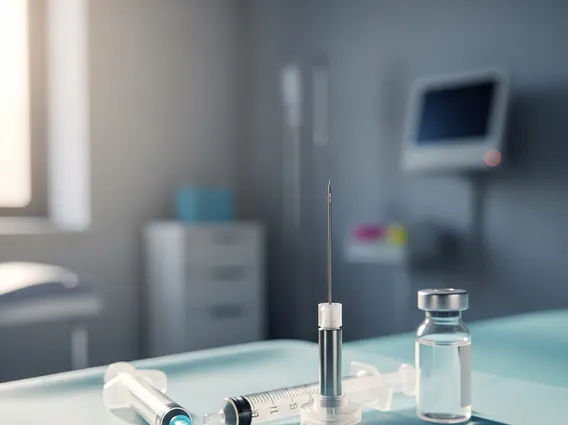
What a nurse does involves a multitude of critical tasks. They administer medications, monitor vital signs, assist with diagnostic tests, and manage patient records. Beyond clinical duties, nurses are often the primary point of contact for patients and their families, offering emotional support, explaining treatment plans, and educating them on managing their health conditions. According to the World Health Organization (WHO), nurses and midwives constitute more than 50% of the global health workforce, highlighting their indispensable role in delivering essential health services worldwide.
How to Become a Registered Nurse and Explore Specialties
To become a registered nurse, individuals typically follow a structured educational and licensure pathway. The primary routes include earning an Associate’s Degree in Nursing (ADN) or a Bachelor of Science in Nursing (BSN) from an accredited program. While both degrees qualify candidates to sit for the licensure exam, a BSN is increasingly preferred by employers and often provides a broader foundation for career advancement. After completing their education, aspiring nurses must pass the National Council Licensure Examination for Registered Nurses (NCLEX-RN), which assesses their competency to practice safely and effectively.
Once licensed, registered nurses have the opportunity to explore different types of nursing specialties, allowing them to tailor their careers to specific interests and patient populations. These specialties require additional training, certifications, or advanced degrees. Some common examples include:
- Critical Care Nurse: Cares for critically ill patients in intensive care units.
- Pediatric Nurse: Specializes in the care of infants, children, and adolescents.
- Oncology Nurse: Provides care to cancer patients, managing symptoms and treatment side effects.
- Emergency Room Nurse: Works in fast-paced environments, treating patients with acute illnesses or injuries.
- Public Health Nurse: Focuses on community health, disease prevention, and health education for populations.
Each specialty demands a unique set of skills and knowledge, contributing to the comprehensive nature of nursing care.
The Daily Life and Responsibilities of a Nurse
The daily life of a nurse is dynamic and often unpredictable, varying significantly depending on their specialty and work setting. A typical shift might begin with receiving patient handovers, reviewing medical charts, and conducting initial patient assessments. Throughout the day, nurses are responsible for administering prescribed medications, performing wound care, monitoring patient responses to treatment, and documenting all observations and interventions accurately in electronic health records.
Beyond direct medical tasks, nurses act as patient advocates, communicating patient needs and concerns to physicians and other healthcare team members. They also spend considerable time educating patients and their families about health conditions, medication management, and discharge instructions, empowering them to take an active role in their recovery and ongoing health. The role demands strong critical thinking skills, empathy, and resilience, as nurses frequently manage complex medical situations, emotional challenges, and fast-paced environments. Their commitment ensures continuous, high-quality care, making a profound difference in the lives of those they serve.