Psyllium
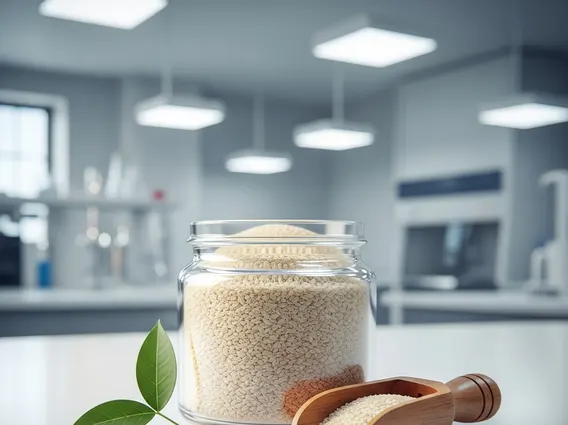
Psyllium is a natural, soluble dietary fiber derived from the seeds of the Plantago ovata plant. It is widely recognized for its significant role in promoting digestive health and overall well-being.
Key Takeaways
- Psyllium is a soluble fiber known for its bulk-forming properties, aiding digestive regularity.
- It supports gastrointestinal health and can help manage cholesterol and blood sugar levels.
- Proper hydration is crucial when taking psyllium to prevent adverse effects like blockages.
- Start with small doses and gradually increase to minimize initial discomfort such as gas or bloating.
- Always consult a healthcare professional before use, especially if you have existing medical conditions or are taking other medications.
What is Psyllium and Its Uses?
Psyllium refers to a type of soluble fiber obtained from the husks of the Plantago ovata plant’s seeds. When mixed with water, it forms a gel-like substance, which contributes to its bulk-forming laxative properties. This unique characteristic makes it a valuable dietary supplement for various health purposes.
The primary uses of psyllium revolve around its ability to support gastrointestinal health. It helps regulate bowel movements, alleviating both constipation and, in some cases, mild diarrhea by adding bulk to stool. Beyond digestive regularity, the benefits of psyllium husk fiber extend to other areas of health. For instance, its soluble fiber content can help lower cholesterol levels by binding to dietary cholesterol and preventing its absorption, thereby supporting cardiovascular health. According to the American Heart Association, increasing soluble fiber intake is a recommended strategy for managing cholesterol. Furthermore, psyllium can aid in blood sugar management by slowing down the absorption of glucose, which is beneficial for individuals looking to maintain healthy blood sugar levels. Its ability to create a feeling of fullness may also support weight management efforts by reducing appetite.
How to Take Psyllium for Health
Taking psyllium effectively involves proper preparation and adherence to dosage guidelines to maximize its benefits and minimize potential side effects. Psyllium is commonly available in powder, granule, or capsule form. The powder and granule forms are typically mixed with water or another liquid.
Here are practical tips for incorporating psyllium into your health regimen:
- Start Small: Begin with a small dose, such as half a teaspoon or one capsule, and gradually increase over several days or weeks. This allows your digestive system to adjust and reduces the likelihood of gas or bloating.
- Mix Thoroughly: If using powder or granules, mix them with at least 8 ounces (240 ml) of water or juice. Stir well and drink immediately before the mixture thickens too much.
- Stay Hydrated: Drink plenty of fluids throughout the day when taking psyllium. This is crucial because psyllium absorbs water and can cause blockages if not adequately hydrated.
- Timing: Psyllium can be taken with meals or between meals. If you are taking other medications, it’s generally advisable to take psyllium at least 1-2 hours before or after them, as it can interfere with their absorption.
- Consistency: For sustained benefits, regular daily intake as directed by a healthcare professional or product label is often recommended.
Psyllium Side Effects and Precautions
While psyllium is generally considered safe for most people, it can cause certain side effects, especially when first introduced or if not taken with enough fluid. Common mild side effects include gas, bloating, and abdominal cramps, which usually subside as the body adjusts.
More serious, though rare, side effects can include allergic reactions such as difficulty breathing, skin rash, or itching. If any signs of an allergic reaction occur, discontinue use immediately and seek medical attention. It is also crucial to avoid taking psyllium if you have a history of esophageal narrowing, bowel obstruction, or difficulty swallowing, as it could exacerbate these conditions.
Precautions for psyllium use include:
- Fluid Intake: Always ensure adequate fluid intake to prevent the psyllium from swelling and causing a blockage in the throat or intestines.
- Medication Interactions: Psyllium can affect the absorption of certain medications, including some antidepressants, cholesterol-lowering drugs, and diabetes medications. Consult your doctor or pharmacist about potential interactions.
- Diabetes Management: Individuals with diabetes should monitor their blood sugar levels closely, as psyllium can impact glucose absorption.
- Pregnancy and Breastfeeding: While generally considered safe, pregnant or breastfeeding individuals should consult their healthcare provider before starting any new supplement.
Always discuss with a healthcare professional before starting any new supplement, especially if you have underlying health conditions or are taking other medications.