Plexopathy
Plexopathy refers to a medical condition characterized by damage to a nerve plexus, which is a network of intersecting nerves. This damage can lead to a variety of neurological symptoms affecting motor and sensory functions in the body.
Key Takeaways
- Plexopathy involves damage to a nerve plexus, impacting motor and sensory functions.
- Symptoms often include pain, weakness, numbness, and tingling in the affected limb or body region.
- Causes range from trauma and inflammation to compression, radiation, and underlying medical conditions.
- Diagnosis typically involves neurological examination, imaging studies like MRI, and nerve function tests.
- Treatment focuses on managing symptoms, addressing the root cause, and improving function through therapies.
What is Plexopathy?
Plexopathy is a medical term used to describe a disorder affecting a nerve plexus. A nerve plexus is a complex network of intertwined nerves that originate from different spinal levels and then branch out to innervate specific regions of the body. The most commonly affected plexuses include the brachial plexus, which controls the arm and hand, and the lumbosacral plexus, which controls the leg and foot. When these nerve networks are damaged, the signals between the brain and the affected limb are disrupted, leading to a range of symptoms.
This condition can manifest acutely or develop gradually, significantly impacting a person’s quality of life and functional independence. While the exact prevalence varies depending on the type and cause, brachial plexopathy, for instance, can occur due to trauma, affecting an estimated 1.2 to 2.5 per 100,000 people annually, according to some epidemiological studies.
Plexopathy Symptoms and Causes
The manifestation of plexopathy symptoms causes depends heavily on which nerve plexus is affected and the extent of the damage. Common symptoms often include:
- Severe pain in the shoulder, arm, hand, hip, leg, or foot.
- Weakness or paralysis in the muscles supplied by the affected nerves.
- Numbness, tingling, or a burning sensation (paresthesia) in the skin.
- Loss of sensation in the affected area.
- Diminished or absent reflexes.
The causes of plexopathy are diverse and can include:
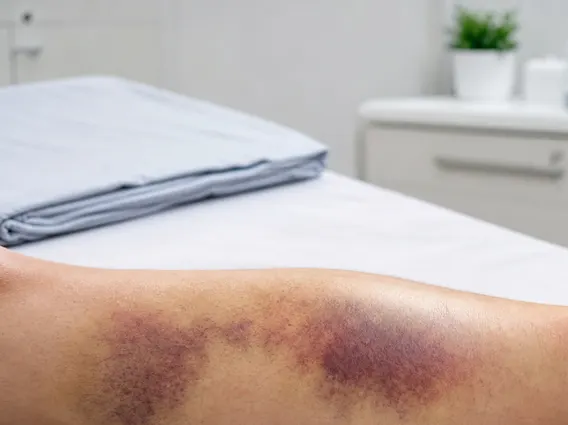
- Trauma: Injuries from accidents, falls, or sports can stretch, compress, or tear the nerves within a plexus.
- Inflammation: Conditions like Parsonage-Turner syndrome (also known as acute brachial neuritis) involve sudden inflammation of the brachial plexus.
- Compression: Tumors, hematomas (collections of blood), or enlarged lymph nodes can press on the nerves.
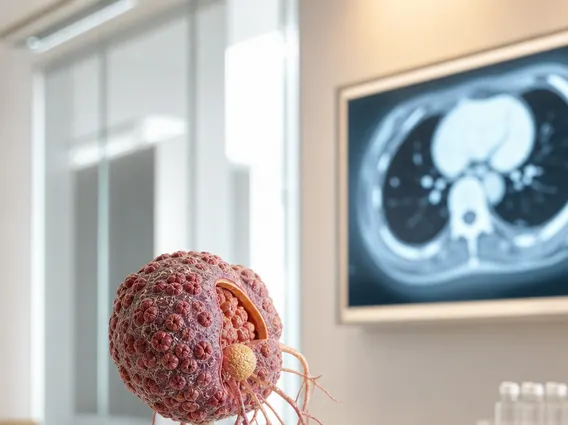
- Radiation Therapy: Radiation-induced plexopathy can occur as a delayed complication of radiation treatment for cancer, particularly in the neck or pelvis.
- Infections: Certain viral or bacterial infections can sometimes trigger inflammation and damage to nerve plexuses.
- Autoimmune Conditions: Disorders where the body’s immune system mistakenly attacks its own tissues can affect nerves.
- Diabetes: Poorly controlled diabetes can lead to nerve damage, including plexopathy, often affecting the lumbosacral plexus.
Understanding the specific cause is crucial for guiding effective treatment strategies and predicting the potential for recovery.
Diagnosing and Treating Plexopathy
The process of diagnosing plexopathy typically begins with a thorough neurological examination. A physician will assess muscle strength, sensation, and reflexes in the affected area. This initial evaluation helps pinpoint the location and severity of nerve damage. Further diagnostic tests are often necessary to confirm the diagnosis and identify the underlying cause:
Imaging studies, such as magnetic resonance imaging (MRI) or computed tomography (CT) scans, are frequently used to visualize the nerve plexus and surrounding structures. These scans can detect tumors, inflammation, hematomas, or other structural abnormalities that might be compressing or damaging the nerves. Electromyography (EMG) and nerve conduction studies (NCS) are also vital tools, as they measure the electrical activity of muscles and the speed of nerve signal transmission, helping to assess nerve function and identify the extent of nerve injury. Blood tests may be performed to rule out systemic conditions like diabetes or autoimmune disorders that could contribute to plexopathy.
Plexopathy treatment options are highly individualized, focusing on managing symptoms, addressing the underlying cause, and restoring function. Pain management is often a primary concern, utilizing medications such as anti-inflammatory drugs, neuropathic pain medications, or in some cases, nerve blocks. Physical therapy is essential for improving muscle strength, range of motion, and overall function, while occupational therapy can help individuals adapt to daily tasks. For cases involving nerve compression due to tumors or other masses, surgical intervention may be necessary to relieve pressure on the plexus. If inflammation is the cause, corticosteroids or other immunosuppressants might be prescribed. In instances of radiation-induced plexopathy, treatment focuses on symptom management, as the damage is often progressive and challenging to reverse. Early and accurate diagnosis is key to implementing the most effective treatment plan and improving patient outcomes.