Pleural Effusion
Pleural Effusion is a medical condition characterized by the accumulation of excess fluid in the pleural space, the thin area between the lungs and the chest wall. This condition can significantly impact respiratory function and is often a symptom of an underlying disease.
Key Takeaways
- Pleural effusion involves fluid buildup in the pleural space, hindering lung expansion.
- Symptoms include shortness of breath, chest pain, and cough, varying with fluid volume and cause.
- Common causes range from heart failure and infections to malignancies and autoimmune diseases.
- Diagnosis typically involves imaging like chest X-rays, CT scans, and fluid analysis (thoracentesis).
- Treatment focuses on addressing the underlying cause and relieving symptoms, often through fluid drainage.
What is Pleural Effusion?
Pleural effusion refers to the abnormal accumulation of fluid in the pleural space, which is the potential space between the two pleurae (visceral and parietal) that surround the lungs. Normally, this space contains a small amount of fluid that lubricates the lungs and allows them to move smoothly during breathing. When excess fluid collects, it can compress the lung, making breathing difficult and leading to various symptoms. This condition is not a disease in itself but rather a sign of an underlying medical issue, ranging from mild to severe.
The fluid can be categorized into two main types: transudative and exudative. Transudative effusions are typically caused by fluid leaking into the pleural space due to increased pressure in blood vessels or low protein levels in the blood, often seen in conditions like heart failure or liver cirrhosis. Exudative effusions result from inflammation or injury to the pleura, allowing fluid rich in protein, blood, or inflammatory cells to leak into the space, commonly associated with infections, malignancies, or autoimmune diseases.
Pleural Effusion Symptoms, Causes, and Diagnosis
Understanding the manifestations and origins of this condition is crucial for effective management. The severity of pleural effusion symptoms causes can vary widely depending on the amount of fluid, how quickly it accumulates, and the underlying cause. Common symptoms include:
- Shortness of breath (dyspnea): Often the most prominent symptom, especially with exertion.
- Chest pain: Typically a sharp pain that worsens with deep breathing or coughing (pleuritic pain).
- Cough: A dry cough may occur due to irritation of the pleura.
- Fever: May indicate an underlying infection.
- Hiccups: Less common, but can occur if the diaphragm is irritated.
The causes of pleural effusion are diverse. According to the American Thoracic Society, heart failure is the most common cause of transudative pleural effusions, while pneumonia and cancer are frequent causes of exudative effusions. Other significant causes include pulmonary embolism, kidney disease, liver cirrhosis, autoimmune disorders (like lupus or rheumatoid arthritis), and certain medications.
Diagnosing pleural effusion involves a combination of physical examination, imaging studies, and fluid analysis. During a physical exam, a doctor may detect dullness to percussion and decreased breath sounds over the affected area. Imaging tests are essential for confirming the presence of fluid and assessing its extent:
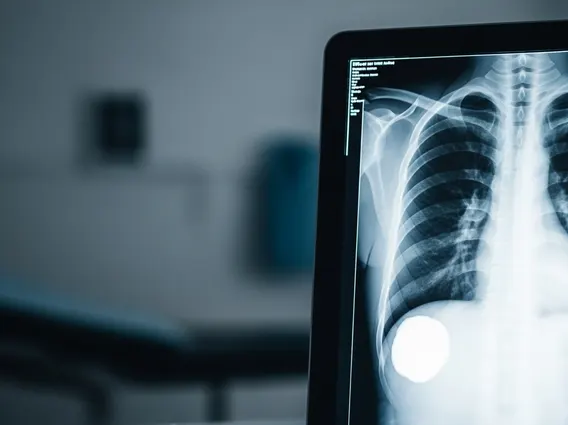
- Chest X-ray: Often the first diagnostic tool, showing fluid as a white area at the base of the lung.
- Computed Tomography (CT) scan: Provides more detailed images, helping to identify the cause and rule out other conditions.
- Ultrasound: Useful for guiding fluid drainage procedures and detecting smaller effusions.
A key diagnostic procedure is thoracentesis, where a needle is inserted into the pleural space to withdraw a fluid sample. This fluid is then analyzed in a laboratory to determine if it is transudative or exudative, and to look for signs of infection, cancer cells, or other specific markers that can pinpoint the underlying cause.
Pleural Effusion Treatment Options
The primary goal of pleural effusion treatment options is to address the underlying cause of the fluid accumulation and relieve symptoms, particularly shortness of breath and pain. Treatment strategies vary significantly based on the type and cause of the effusion.
For small, asymptomatic effusions, especially those caused by conditions like mild heart failure, treating the underlying condition may be sufficient, and the effusion might resolve on its own. Diuretics, for instance, can help reduce fluid buildup in cases related to heart failure.
When the effusion is large or causing significant symptoms, fluid drainage is often necessary. This is typically performed via thoracentesis, which can be both diagnostic and therapeutic. For recurrent effusions, especially those due to cancer, more long-term solutions may be considered:
- Pleurodesis: A procedure where a substance (e.g., talc) is introduced into the pleural space to irritate the pleura, causing them to stick together and prevent further fluid accumulation.
- Indwelling Pleural Catheter (IPC): A small, flexible tube inserted into the pleural space that can be drained at home by the patient or caregiver, offering palliative relief for chronic or recurrent effusions.
- Surgical interventions: In some complex cases, surgery may be required to remove the pleura (pleurectomy) or to create a shunt to drain fluid internally.
Treating the underlying cause is paramount. This might involve antibiotics for bacterial infections, chemotherapy or radiation therapy for cancer, or immunosuppressants for autoimmune diseases. Close monitoring and follow-up with a healthcare professional are essential to manage the condition effectively and prevent complications.