Peutz Jeghers Syndrome
Peutz Jeghers Syndrome is a rare genetic disorder characterized by the development of benign polyps in the gastrointestinal tract and distinctive pigmented spots on the skin and mucous membranes. This condition significantly increases the risk of developing certain cancers later in life.

Key Takeaways
- Peutz Jeghers Syndrome (PJS) is a rare inherited disorder causing hamartomatous polyps primarily in the small intestine.
- It is characterized by gastrointestinal polyps and dark spots on the lips, mouth, and fingers.
- PJS significantly elevates the risk of various cancers, particularly colorectal, stomach, and breast cancer.
- Early diagnosis and regular surveillance are crucial for managing complications and detecting cancers.
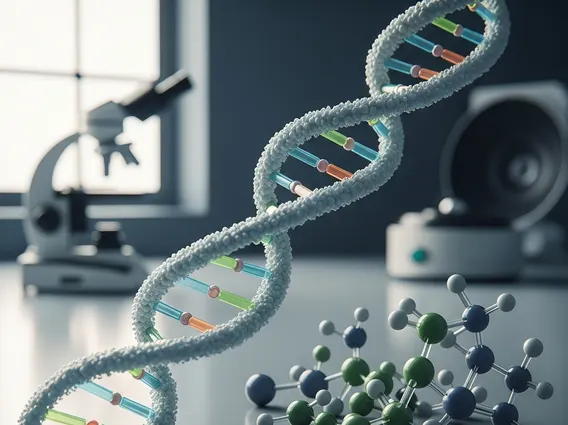
- The syndrome is caused by a mutation in the *STK11* gene.
What is Peutz Jeghers Syndrome?
Peutz Jeghers Syndrome (PJS) is a rare, inherited disorder characterized by the development of hamartomatous polyps primarily in the small intestine, but also in the stomach and large intestine. These polyps are non-cancerous growths that can cause various gastrointestinal symptoms and carry a risk of malignant transformation over time. The syndrome also presents with distinctive dark brown or blue-black spots (melanin spots) on the mucous membranes, especially around the mouth, nostrils, and eyes, and on the buccal mucosa, fingers, and toes. It is estimated to affect between 1 in 50,000 to 1 in 200,000 live births globally, according to various epidemiological studies (e.g., National Organization for Rare Disorders – NORD).
Symptoms and Causes of Peutz Jeghers Syndrome
Understanding Peutz Jeghers Syndrome symptoms is crucial for early detection. The most common symptoms are related to the gastrointestinal polyps. These can include recurrent abdominal pain, often caused by the polyps themselves or by intussusception, where one part of the intestine slides into another. Gastrointestinal bleeding, which may manifest as blood in the stool (melena) or iron-deficiency anemia, is also frequent. In some cases, polyps can lead to bowel obstruction, requiring urgent medical intervention. Beyond gastrointestinal issues, the characteristic mucocutaneous pigmentation spots are a key diagnostic indicator. These small, dark spots typically appear in childhood around the lips, inside the mouth (buccal mucosa), on the fingers, and toes. While benign, their presence is a strong clue for the underlying syndrome.
Common gastrointestinal symptoms associated with PJS include:
- Recurrent abdominal pain
- Gastrointestinal bleeding (leading to anemia)
- Bowel obstruction
- Intussusception (telescoping of the intestine)
- Nausea and vomiting
The primary Peutz Jeghers Syndrome causes lie in a genetic mutation. The syndrome is an autosomal dominant disorder caused by a germline mutation in the STK11 gene (also known as LKB1), located on chromosome 19p13.3. This gene acts as a tumor suppressor, meaning it normally helps control cell growth and prevent the formation of tumors. When the STK11 gene is mutated, its ability to regulate cell proliferation is impaired, leading to the uncontrolled growth of cells that form the characteristic hamartomatous polyps. Approximately 50% of cases are inherited from an affected parent, while the other 50% arise from new, spontaneous mutations in individuals with no family history of the condition.
Diagnosing Peutz Jeghers Syndrome
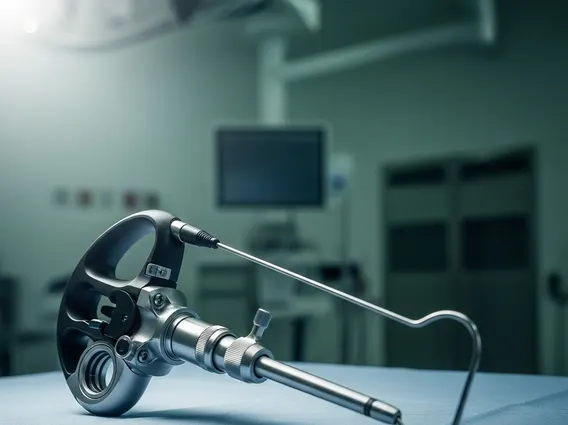
The Peutz Jeghers Syndrome diagnosis typically involves a combination of clinical evaluation, endoscopic procedures, and genetic testing. Clinically, the presence of characteristic mucocutaneous pigmentation, especially around the mouth and on the fingers, along with a history of gastrointestinal polyps or a family history of PJS, strongly suggests the condition. Endoscopic procedures, such as upper endoscopy, colonoscopy, and capsule endoscopy, are vital for identifying and characterizing the polyps throughout the gastrointestinal tract. These procedures allow for direct visualization, biopsy, and removal of polyps, which is essential for both diagnosis and management.
Genetic testing for mutations in the STK11 gene confirms the diagnosis. This test is highly sensitive and specific, identifying mutations in over 90% of individuals who meet the clinical criteria for PJS. Once diagnosed, individuals with PJS require lifelong surveillance due to their increased risk of various cancers. This surveillance typically includes regular endoscopic examinations (e.g., colonoscopy, upper endoscopy, small bowel surveillance), imaging studies (e.g., MRI, CT scans) for other organs, and cancer screening tailored to the individual’s risk profile. Early and consistent monitoring is key to preventing complications and detecting potential malignancies at an early, treatable stage.