Peripheral Blood Lymphocyte Therapy
Peripheral Blood Lymphocyte Therapy is an advanced form of immunotherapy that harnesses the body’s own immune cells to combat various diseases, particularly cancers. This innovative approach offers a targeted strategy by utilizing specialized white blood cells found in the bloodstream.
Key Takeaways
- Peripheral Blood Lymphocyte Therapy utilizes a patient’s own immune cells to target and fight diseases.
- It involves collecting lymphocytes from peripheral blood, enhancing their disease-fighting capabilities, and reinfusing them.
- This therapy offers a highly targeted approach, potentially reducing systemic side effects compared to conventional treatments.
- It represents a promising avenue in oncology and other fields where immune modulation is beneficial.
What is Peripheral Blood Lymphocyte Therapy?
Peripheral Blood Lymphocyte Therapy refers to a medical treatment that involves the collection, modification, and reinfusion of a patient’s own lymphocytes, a type of white blood cell, to treat various conditions, primarily cancers. This sophisticated form of adoptive cell therapy leverages the inherent power of the immune system. The process of peripheral blood lymphocyte therapy explained involves isolating these critical immune cells from the patient’s peripheral blood, rather than from tumor tissue, making it a less invasive collection method. These lymphocytes are then typically expanded in number and sometimes genetically modified in a laboratory setting to enhance their ability to recognize and destroy diseased cells, such as cancer cells. The goal is to bolster the patient’s immune response, enabling it to more effectively combat the underlying pathology. This therapy is a cornerstone of modern precision medicine, offering a highly individualized treatment approach.
How Peripheral Blood Lymphocyte Therapy Works
The mechanism of Peripheral Blood Lymphocyte Therapy involves several distinct stages, all meticulously controlled to ensure efficacy and safety. The process typically unfolds as follows:
- Lymphocyte Collection: Initially, a procedure called apheresis is performed to collect a sufficient quantity of lymphocytes from the patient’s peripheral blood. This outpatient procedure separates white blood cells from other blood components.
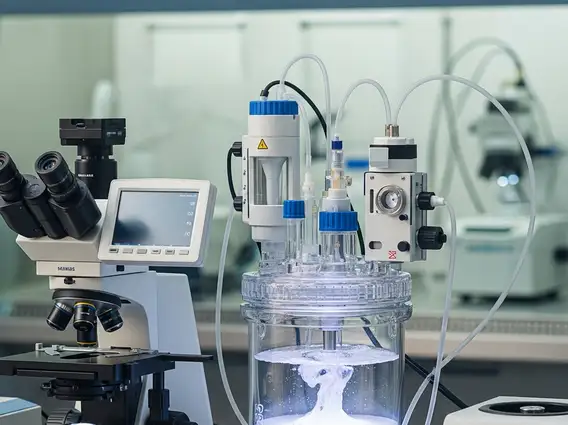
- Laboratory Processing: The collected cells are then transported to a specialized laboratory. Here, the lymphocytes undergo a crucial activation and expansion phase, where they are stimulated to proliferate rapidly, significantly increasing their numbers. In some cases, these cells may also be engineered to express specific receptors, such as chimeric antigen receptors (CARs), which enable them to precisely identify and target cancer cells.
- Patient Conditioning: Prior to reinfusion, patients may undergo a conditioning regimen, often involving chemotherapy, to create a more favorable environment for the reinfused cells to engraft and proliferate. This step helps reduce existing immune cells that might compete with the new therapy.
- Reinfusion: Once the lymphocytes have been adequately prepared and expanded, they are reinfused back into the patient, typically intravenously.
Upon reinfusion, these highly potent and targeted lymphocytes circulate throughout the body, actively seeking out and eliminating diseased cells. The success of the therapy relies on the ability of these reinfused cells to persist, multiply, and maintain their cytotoxic activity within the patient’s system, providing a sustained immune response against the disease.
Benefits of Peripheral Blood Lymphocyte Therapy
The potential peripheral blood lymphocyte therapy benefits are significant, particularly in the context of treating challenging diseases like advanced cancers. One of the primary advantages is its highly targeted nature. By specifically activating or engineering lymphocytes to recognize unique markers on diseased cells, the therapy can precisely attack the pathology while minimizing damage to healthy tissues. This targeted approach often leads to fewer and less severe systemic side effects compared to conventional treatments such as broad-spectrum chemotherapy or radiation, which can harm healthy cells indiscriminately.
Furthermore, Peripheral Blood Lymphocyte Therapy has the potential to induce long-lasting remission. The reinfused lymphocytes can persist in the body for extended periods, providing ongoing immune surveillance and protection against disease recurrence. This durable response is a critical advantage, offering hope for patients with refractory or relapsed conditions. The therapy also represents a personalized medicine approach, as it utilizes the patient’s own immune cells, thereby reducing the risk of rejection or adverse immune reactions that can occur with donor-derived therapies. While still an evolving field, clinical trials and real-world data continue to demonstrate the transformative potential of this therapy in improving patient outcomes and quality of life. For instance, according to the American Cancer Society, immunotherapies, including cell-based therapies, are increasingly becoming a standard of care for various cancers, offering new hope for patients who have exhausted other treatment options.