Pacemaker
A Pacemaker is a small, implantable medical device designed to regulate the heart’s rhythm. It plays a crucial role in managing various heart conditions that lead to abnormal heartbeats, ensuring the heart pumps blood effectively throughout the body.
Key Takeaways
- A Pacemaker is an implanted device that uses electrical impulses to maintain a regular heart rhythm.
- It is primarily used to treat bradycardia (slow heart rate) and other arrhythmias.
- Implantation involves a surgical procedure, typically under local anesthesia, with a recovery period focused on incision care and activity restrictions.
- Living with a Pacemaker generally involves regular check-ups, avoiding strong electromagnetic fields, and maintaining a healthy lifestyle.
- Modern Pacemakers are durable and allow most individuals to lead full, active lives.
What is a Pacemaker and How It Works
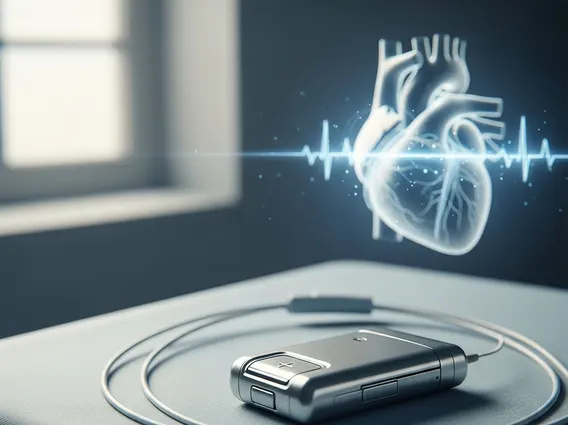
A Pacemaker is a small, battery-powered device surgically implanted under the skin, usually near the collarbone. Its primary function is to help control abnormal heart rhythms, particularly those that are too slow (bradycardia) or irregular. It consists of a pulse generator, which contains the battery and electronic circuitry, and one or more leads (thin, insulated wires) that are threaded through veins to the heart.
The need for a Pacemaker often arises from conditions like sick sinus syndrome, heart block, or other arrhythmias where the heart’s natural electrical system malfunctions. According to the Centers for Disease Control and Prevention (CDC), heart disease remains a leading cause of death, and devices like Pacemakers are vital in managing its electrical complications.
How a Pacemaker Works
A Pacemaker works by monitoring the heart’s electrical activity and, when necessary, delivering tiny electrical impulses to stimulate the heart muscle. These impulses cause the heart to contract, thereby restoring a normal heart rate and rhythm. Modern Pacemakers are “on-demand,” meaning they only activate when the heart rate drops below a preset level or when a beat is missed. They can also be programmed to adjust the heart rate based on activity levels, allowing for a more physiological response during exercise.
Pacemaker Implantation and Recovery
Pacemaker surgery and recovery involves a relatively straightforward procedure, typically performed under local anesthesia with sedation. During the implantation, a small incision is made, usually in the upper chest, to create a pocket under the skin or muscle for the pulse generator. The leads are then guided through a vein into the heart, with their tips positioned in the appropriate chambers (atrium, ventricle, or both). Once in place, the leads are connected to the pulse generator, and the device is tested to ensure it’s functioning correctly before the incision is closed.
Recovery usually involves a short hospital stay, often overnight. Patients are advised to limit arm and shoulder movement on the side of the implant for several weeks to allow the leads to securely embed in the heart tissue. Pain at the incision site is common but can be managed with medication. Regular follow-up appointments are crucial to monitor the Pacemaker’s function and adjust its settings as needed.
Living with a Pacemaker
Adjusting to a living with a pacemaker lifestyle is generally smooth for most individuals. Modern Pacemakers are designed to be durable and minimally intrusive. While most daily activities can be resumed, there are a few important considerations:
- Electromagnetic Interference: Avoid prolonged close contact with strong electromagnetic fields, such as those from large industrial magnets, arc welders, or certain medical procedures like MRI scans (unless your Pacemaker is MRI-compatible). Most household appliances and cell phones pose no risk.
- Follow-up Care: Regular check-ups with your cardiologist are essential to monitor battery life, assess device function, and make any necessary programming adjustments.
- Physical Activity: While strenuous contact sports may be discouraged to protect the device, most people can engage in exercise and other physical activities as advised by their doctor.
- Identification: Always carry your Pacemaker identification card, which provides details about your device.
With proper care and adherence to medical advice, individuals with a Pacemaker can lead active, fulfilling lives, enjoying improved heart health and quality of life.