Ovary
The Ovary is a vital reproductive organ in females, playing a crucial role in both hormone production and the reproductive process. Understanding its structure, function, and common conditions is essential for female health.
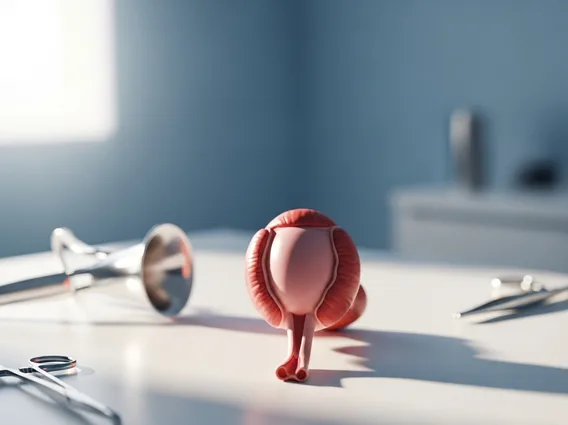
Key Takeaways
- Ovaries are paired female reproductive glands responsible for producing eggs and hormones.
- They are integral to the female reproductive system, influencing puberty, menstruation, and fertility.
- Key hormones produced by the ovaries include estrogen and progesterone.
- Common conditions affecting the ovaries range from benign cysts to more serious issues like polycystic ovary syndrome (PCOS) and ovarian cancer.
- Regular medical check-ups are important for monitoring ovarian health.
What is the Ovary?
The Ovary refers to one of two small, almond-shaped glands located on either side of the uterus in the female pelvis. These essential organs are part of the endocrine system and the female reproductive system. Their primary function involves the production of eggs (ova) for fertilization and the synthesis of crucial female hormones, which regulate various bodily processes and characteristics. Understanding what is Ovary involves recognizing its dual role as both a gamete-producing and hormone-secreting gland, vital for female development and reproductive capacity.
Ovary Anatomy and Reproductive Function
The ovary anatomy and physiology are complex, enabling its multifaceted roles. Each ovary is typically about 3-5 cm long and is connected to the uterus by the ovarian ligament and to the pelvic wall by the suspensory ligament. Internally, the ovary consists of an outer cortex, which contains ovarian follicles at various stages of development, and an inner medulla, composed of connective tissue, blood vessels, nerves, and lymphatic vessels.
The role of ovaries in female reproduction is paramount. They are responsible for:
- Oogenesis: The process of producing mature eggs (ova). Females are born with all the eggs they will ever have, stored within primordial follicles in the ovaries. During each menstrual cycle, typically one follicle matures and releases an egg, a process known as ovulation.
- Hormone Production: The ovaries synthesize and secrete key steroid hormones, primarily estrogen and progesterone, along with small amounts of androgens. Estrogen is crucial for the development of female secondary sexual characteristics, the growth of the uterine lining, and bone health. Progesterone prepares the uterus for pregnancy and maintains it if conception occurs.
These hormones regulate the menstrual cycle, support pregnancy, and influence overall female health, including bone density and cardiovascular function. The coordinated release of these hormones is essential for fertility and reproductive well-being.
Common Ovarian Conditions
The ovaries, despite their small size, can be affected by a range of conditions that impact female health and fertility. Common conditions affecting ovaries include:
- Ovarian Cysts: Fluid-filled sacs that develop on or within the ovary. Most are benign and resolve on their own, but some can cause pain or complications. Functional cysts, such as follicular cysts and corpus luteum cysts, are the most common type and are related to the menstrual cycle.
- Polycystic Ovary Syndrome (PCOS): A hormonal disorder common among women of reproductive age. PCOS is characterized by irregular periods, excess androgen levels, and often, multiple small cysts on the ovaries. It affects approximately 6-12% (up to 5 million) of women of reproductive age in the United States, according to the Centers for Disease Control and Prevention (CDC). Symptoms can include infertility, acne, hirsutism, and weight gain.
- Ovarian Cancer: A serious and often aggressive cancer that originates in the ovaries. It is often diagnosed at an advanced stage because symptoms can be vague and easily mistaken for other conditions. Early detection is challenging, making awareness of risk factors and persistent symptoms crucial.
- Endometriosis: A condition where tissue similar to the lining of the uterus (endometrium) grows outside the uterus, often on the ovaries, fallopian tubes, and other pelvic organs. This can lead to pain, heavy periods, and infertility.
- Ovarian Torsion: A medical emergency where an ovary twists around its ligaments, cutting off its blood supply. This causes sudden, severe pelvic pain and requires immediate surgical intervention.
Regular gynecological check-ups, including pelvic exams and sometimes imaging, are vital for the early detection and management of these conditions, helping to preserve ovarian health and overall well-being.