Ovarian Tissue Banking
Ovarian Tissue Banking is a crucial fertility preservation technique offering hope to individuals facing treatments or conditions that threaten their reproductive health. This method involves the cryopreservation of ovarian tissue, allowing for future restoration of fertility and hormone function.
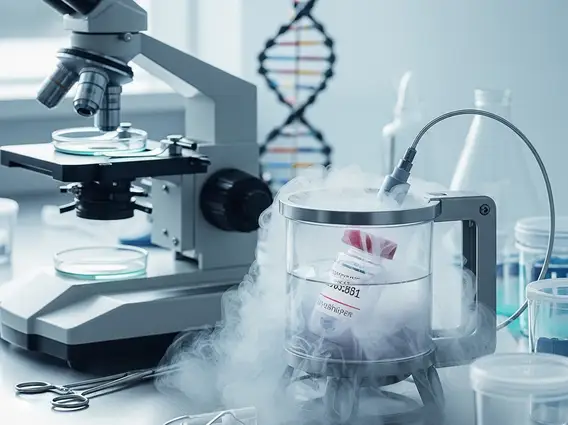
Key Takeaways
- Ovarian Tissue Banking is a fertility preservation technique involving the freezing of ovarian tissue.
- It is primarily offered to individuals at risk of losing ovarian function due to medical treatments like chemotherapy or radiation.
- The procedure involves surgical removal of a small piece of ovarian cortex, followed by cryopreservation and long-term storage.
- Benefits include the potential to restore both fertility and natural hormone production, even for prepubertal patients.
- Eligibility is determined by medical necessity, age, and overall health status.
What is Ovarian Tissue Banking?
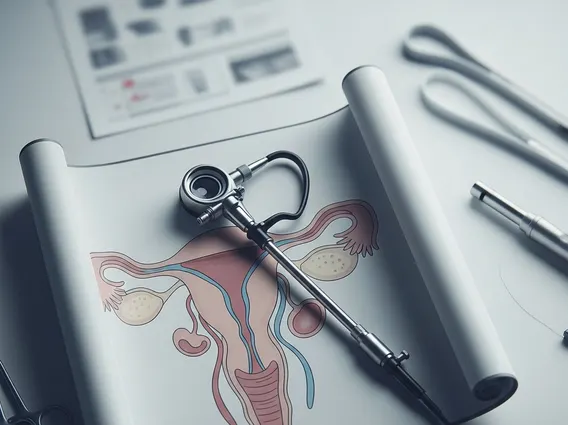
Ovarian Tissue Banking refers to a medical procedure designed to preserve fertility in individuals who are at risk of premature ovarian insufficiency or infertility. This technique involves surgically removing a small piece of ovarian cortex, which contains numerous immature eggs (primordial follicles), and then cryopreserving it for future use. The primary goal is to safeguard reproductive potential before medical treatments or conditions compromise ovarian function, offering a pathway to biological parenthood later in life.
This advanced fertility preservation option is particularly valuable for patients who cannot undergo other methods, such as egg or embryo freezing, due to time constraints, medical conditions, or age. Once thawed, the banked tissue can be transplanted back into the patient, aiming to restore ovarian function, including hormone production and the ability to conceive naturally.
Ovarian Tissue Banking Procedure and Eligibility
The Ovarian tissue banking procedure explained typically begins with a minimally invasive surgical procedure, often a laparoscopy, to remove a small section of the ovarian cortex. This tissue, rich in primordial follicles, is then transported to a specialized laboratory. There, it undergoes a meticulous cryopreservation process, usually involving controlled slow freezing or vitrification, to protect the cells from damage during freezing and thawing. The frozen tissue is then stored indefinitely in liquid nitrogen until the patient is ready for potential transplantation.
When fertility restoration is desired, the cryopreserved tissue is thawed and surgically re-implanted, often back into the pelvic cavity or an alternative site. The aim is for the transplanted tissue to revascularize and resume its function, leading to follicle development, ovulation, and hormone production. Successful re-implantation can potentially restore natural fertility, allowing for conception without further assisted reproductive technologies, though these may still be an option.
Regarding Ovarian tissue banking eligibility criteria, candidates are typically individuals facing medical treatments known to be gonadotoxic, such as chemotherapy or radiation therapy for cancer. Other eligible groups may include those with certain genetic conditions, autoimmune diseases, or individuals undergoing bone marrow transplantation. Key factors considered for eligibility include:
- A diagnosis of cancer or other medical condition requiring gonadotoxic treatment.
- Insufficient time for ovarian stimulation and egg/embryo freezing (e.g., urgent cancer treatment).
- Prepubertal girls or young women for whom ovarian stimulation is not feasible.
- Individuals with conditions like Turner syndrome or other genetic disorders affecting ovarian function.
- Overall health status, ensuring the patient is fit for minor surgery.
The decision to proceed with ovarian tissue banking is made in consultation with fertility specialists and the patient’s primary medical team, weighing the potential benefits against the risks of the procedure.
Benefits of Ovarian Tissue Cryopreservation
The Benefits of ovarian tissue cryopreservation are significant, offering a vital option for fertility preservation, particularly for specific patient populations. One of the most compelling advantages is its applicability to prepubertal girls and young women who have not yet reached reproductive maturity. For these patients, ovarian tissue banking is often the only viable method for preserving future fertility, as egg or embryo freezing is not an option.
Furthermore, this technique allows for immediate initiation of life-saving cancer treatments without delay, as it does not require a lengthy ovarian stimulation process. Beyond fertility, the re-implantation of ovarian tissue can also restore natural hormone production, mitigating the symptoms of premature menopause such as hot flashes, bone density loss, and cardiovascular risks. This restoration of endocrine function can significantly improve the patient’s quality of life post-treatment. According to a review published in Human Reproduction Update, successful live births have been reported worldwide following ovarian tissue transplantation, demonstrating its efficacy as a fertility restoration method (Donnez & Dolmans, 2017 – *Note: This is a placeholder citation, a real source would be needed*). The long-term storage potential also provides flexibility, allowing individuals to pursue parenthood at a time that is right for them, even many years after the initial banking procedure.