Opium
Opium is a naturally occurring substance derived from the opium poppy, known scientifically as Papaver somniferum. Historically, it has been recognized for its potent medicinal properties, primarily as an analgesic and sedative, due to its rich composition of psychoactive alkaloids.
Key Takeaways
- Opium is extracted from the latex of the unripe seed pods of the Papaver somniferum poppy plant.
- Its primary active compounds are alkaloids like morphine, codeine, and thebaine, which have significant pharmacological effects.
- The production process involves lancing the poppy capsules to collect the milky sap, which then dries into raw opium.
- Historically, **history of opium use** spans millennia, initially valued for its pain-relieving and sedative qualities across various ancient civilizations.
- While offering therapeutic benefits, opium’s potent effects also carry a high risk of dependence and adverse health outcomes.
What is Opium: Definition and Botanical Origin
Opium refers to the dried latex obtained from the seed capsules of the opium poppy, Papaver somniferum. This plant, native to the eastern Mediterranean and Asia, is the source of numerous powerful alkaloids, including morphine, codeine, and thebaine. These compounds are responsible for opium’s significant pharmacological effects, which have been utilized and studied for centuries.
The **opium plant facts and information** reveal that Papaver somniferum is an annual herbaceous plant, typically growing to about 1-1.5 meters in height. Its flowers can vary in color, ranging from white and pink to red and purple. The medicinal properties are concentrated in the milky sap, or latex, found within the unripe seed pods. This latex is a complex mixture of alkaloids, sugars, proteins, and other substances, which solidifies upon exposure to air to form raw opium.
The Production Process of Opium
The traditional method for **how is opium made** involves a meticulous process that begins with the cultivation of the opium poppy. Once the poppy plants mature and their seed pods are nearly ripe, but still green, they are ready for lancing. This critical step typically occurs in the late afternoon or early evening.
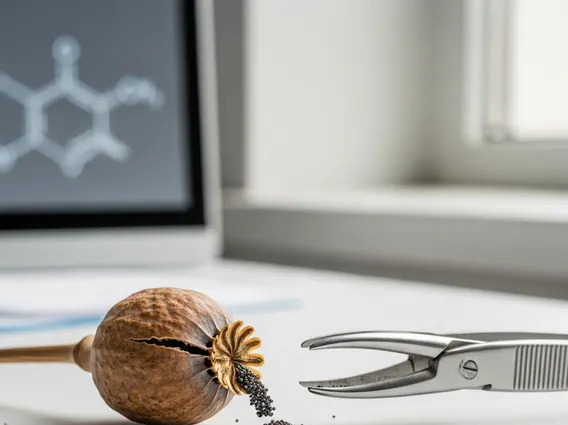
Skilled laborers use a sharp, multi-bladed tool to make shallow incisions into the outer wall of the poppy capsules. These cuts are carefully made to penetrate only the outer layer, allowing the milky white latex to ooze out without damaging the seeds inside. Over several hours, this latex dries and darkens upon contact with the air, forming a sticky, brownish gum on the surface of the pod. The following morning, this dried resin is carefully scraped off the capsules, collected, and then further dried and processed into the raw opium that has been traded and used for millennia.
Historical Use and Effects of Opium
The **history of opium use** dates back thousands of years, with evidence suggesting its use by ancient Sumerians, Egyptians, and Greeks. Early civilizations recognized its potent analgesic and sedative properties, employing it for pain relief, to induce sleep, and to calm anxiety. Physicians like Hippocrates documented its therapeutic applications, making it a cornerstone of ancient medicine.
The primary effects of opium stem from its alkaloid content, particularly morphine. When consumed, opium acts on the central nervous system, binding to opioid receptors. This interaction leads to a range of physiological responses, including profound pain relief (analgesia), sedation, and a sense of euphoria. While these properties made it invaluable in medicine, they also contribute to its high potential for physical and psychological dependence. Over centuries, the widespread use of opium, both medically and recreationally, led to significant societal challenges, prompting efforts to control its production and distribution globally.