Esr
The Erythrocyte Sedimentation Rate (ESR) is a common blood test that can indicate inflammation in the body. It serves as a non-specific marker, meaning it can signal the presence of inflammation but doesn’t pinpoint its exact cause or location.
Key Takeaways
- The Erythrocyte Sedimentation Rate (ESR) is a blood test that measures how quickly red blood cells settle in a test tube over an hour.
- A faster sedimentation rate typically indicates inflammation in the body, although it is a non-specific marker.
- Normal ESR levels vary by age and sex, generally being lower in men and younger individuals.
- High ESR causes can range from infections and autoimmune diseases to certain cancers and tissue injury.
- The ESR test is often used alongside other diagnostic tools to help monitor disease activity or assess treatment effectiveness.
What is ESR (Erythrocyte Sedimentation Rate)?
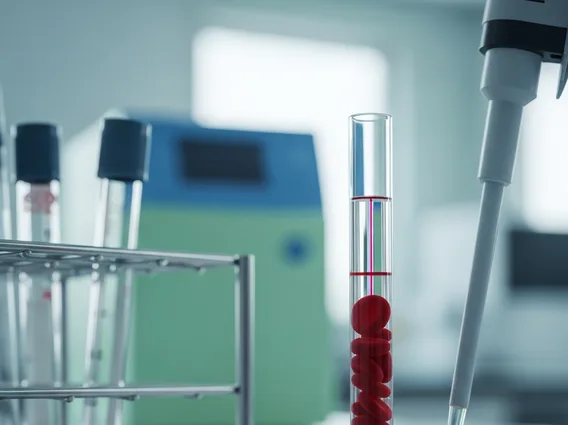
The Erythrocyte Sedimentation Rate (ESR) is a blood test that measures the rate at which red blood cells (erythrocytes) in a sample of anticoagulated blood fall to the bottom of a vertical tube over a specific period, typically one hour. This process is known as sedimentation. When inflammation is present in the body, certain proteins, such as fibrinogen, increase in the blood. These proteins cause red blood cells to clump together, making them heavier and causing them to settle more quickly. Therefore, a faster sedimentation rate often indicates an inflammatory response.
An ESR test explained provides a general indication of inflammation or infection, but it is not diagnostic for any specific condition. Instead, it acts as a valuable tool to help detect the presence of disease, monitor the activity of inflammatory conditions like rheumatoid arthritis or lupus, and assess a patient’s response to treatment. The test is relatively simple and inexpensive, making it a widely used screening tool in clinical practice.
Understanding ESR Test Results: Normal Levels and High ESR Causes
Interpreting ESR test results requires consideration of several factors, including a person’s age, sex, and overall health status. While the test is a useful indicator, it must always be evaluated in conjunction with a patient’s clinical symptoms, medical history, and other diagnostic tests to arrive at an accurate diagnosis.
Normal ESR Levels
Normal ESR levels can vary significantly among individuals and are generally higher in women and older adults. The standard reference ranges typically used are:
| Group | Normal ESR Range (mm/hr) |
|---|---|
| Men under 50 years old | 0 to 15 mm/hr |
| Men over 50 years old | 0 to 20 mm/hr |
| Women under 50 years old | 0 to 20 mm/hr |
| Women over 50 years old | 0 to 30 mm/hr |
| Children | 0 to 10 mm/hr |
It’s important to note that these ranges can vary slightly between laboratories. A result within the normal range typically suggests that there is no significant inflammation, though it does not rule out all conditions.
Causes of High ESR
A high ESR, indicating an elevated sedimentation rate, suggests increased inflammation in the body. While it doesn’t specify the cause, it prompts further investigation. Common high ESR causes include:
- Infections: Bacterial infections (e.g., pneumonia, urinary tract infections), viral infections, and fungal infections can all lead to an elevated ESR as the body mounts an immune response.
- Autoimmune Diseases: Conditions such as rheumatoid arthritis, lupus (systemic lupus erythematosus), giant cell arteritis, and polymyalgia rheumatica are characterized by chronic inflammation, often resulting in significantly high ESR levels.
- Inflammatory Bowel Disease (IBD): Crohn’s disease and ulcerative colitis, which cause chronic inflammation of the digestive tract, can also elevate ESR.
- Kidney Disease: Certain kidney conditions can be associated with increased inflammation and a higher ESR.
- Cancers: Some cancers, particularly lymphomas, multiple myeloma, and other metastatic cancers, can cause a high ESR due to the inflammatory response they induce.
- Tissue Injury or Trauma: Recent surgery, heart attack, or any form of physical trauma can cause a temporary rise in ESR as the body heals.
- Pregnancy: ESR levels can naturally increase during pregnancy, particularly in the second and third trimesters, due to physiological changes.
A moderately elevated ESR might not always indicate a serious condition and can sometimes be caused by minor issues or even be an incidental finding. However, a significantly high ESR warrants thorough medical evaluation to identify the underlying cause and determine appropriate management.