Esophagus
The esophagus is a vital organ in the human digestive system, playing a crucial role in transporting food from the mouth to the stomach. Understanding its structure and common ailments is essential for maintaining digestive health.
Key Takeaways
- The esophagus is a muscular tube connecting the pharynx to the stomach, facilitating food transport.
- Its anatomy includes distinct layers and sphincters that regulate the passage of food and prevent reflux.
- The primary function of the esophagus is peristalsis, rhythmic muscle contractions that propel food downwards.
- Common problems range from GERD and dysphagia to more serious conditions like Barrett’s esophagus and esophageal cancer.
- Symptoms such as heartburn, difficulty swallowing, and chest pain often indicate underlying esophageal issues.
What is the Esophagus and Its Anatomy?
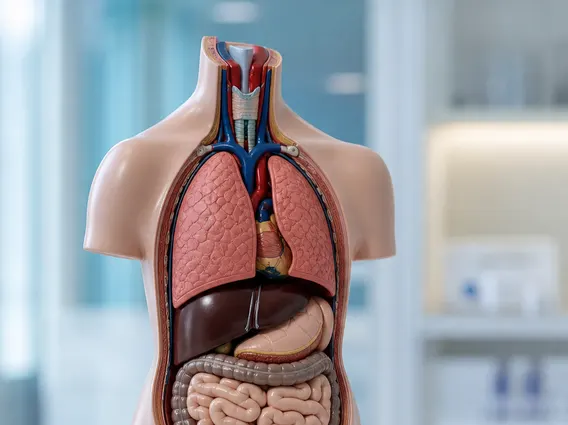
The Esophagus is a muscular tube, approximately 25-30 centimeters (10-12 inches) long in adults, that connects the pharynx (throat) to the stomach. It is a key component of the upper gastrointestinal tract, positioned behind the trachea (windpipe) and heart, and in front of the spine. The primary function of the esophagus is to transport food and liquids from the mouth to the stomach through a process called peristalsis. This involuntary wave-like muscle contraction ensures that food moves efficiently downwards, even against gravity.
The esophagus function and anatomy are quite intricate. Anatomically, the esophagus is divided into three main parts: the cervical (neck), thoracic (chest), and abdominal (belly) sections. Its wall is composed of several layers:
- Mucosa: The innermost layer, lining the lumen of the esophagus.
- Submucosa: Contains glands, blood vessels, and nerves.
- Muscularis Propria: Consists of two layers of muscle (inner circular and outer longitudinal) responsible for peristalsis.
- Adventitia: The outermost connective tissue layer.
At both ends of the esophagus are muscular rings known as sphincters. The upper esophageal sphincter (UES) controls the passage of food from the pharynx into the esophagus and prevents air from entering the digestive tract. The lower esophageal sphincter (LES) is located at the junction of the esophagus and the stomach. Its role is crucial in preventing stomach acid and contents from refluxing back into the esophagus, a condition often associated with heartburn.
Common Esophagus Problems and Symptoms
A range of common esophagus problems can affect its function, leading to various uncomfortable and sometimes serious symptoms. These issues can arise from inflammation, structural abnormalities, or motility disorders. Recognizing esophagus diseases symptoms is crucial for early diagnosis and effective management.
One of the most prevalent conditions is Gastroesophageal Reflux Disease (GERD), which occurs when stomach acid frequently flows back into the esophagus, irritating its lining. Symptoms of GERD often include:
- Heartburn: A burning sensation in the chest, often after eating.
- Regurgitation: The sensation of acid or food backing up into the throat or mouth.
- Chest pain: Non-cardiac chest pain that can mimic heart attack symptoms.
- Dysphagia: Difficulty swallowing, feeling like food is stuck.
Another significant issue is dysphagia itself, which can be caused by various factors beyond GERD, such as esophageal strictures (narrowing), tumors, or motility disorders like achalasia, where the LES fails to relax properly. Esophageal cancer, though less common, is a severe condition often presenting with progressive dysphagia, unexplained weight loss, and persistent chest pain. According to the World Health Organization (WHO), esophageal cancer is among the top ten most common cancers globally, highlighting the importance of early detection.
Other common esophagus problems include esophagitis (inflammation of the esophagus, often due to allergies, infection, or medication), and Barrett’s esophagus, a condition where the normal lining of the esophagus is replaced by tissue similar to that of the intestine, often a complication of chronic GERD and a risk factor for esophageal cancer. Symptoms for these conditions can overlap with GERD but may also include pain with swallowing (odynophagia) or chronic cough. Prompt medical evaluation is recommended for persistent or worsening esophageal symptoms to ensure accurate diagnosis and appropriate treatment.