
Esophagitis
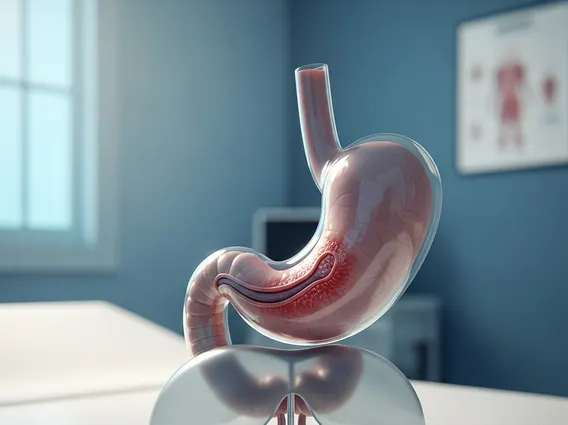
Esophagitis is an inflammation that damages the tissue of the esophagus, the muscular tube that carries food from the mouth to the stomach. This condition can cause painful, difficult swallowing and chest pain.
Key Takeaways
- Esophagitis is inflammation of the esophagus, often leading to discomfort and difficulty swallowing.
- Common causes include acid reflux, allergies, infections, and certain medications.
- Symptoms vary but frequently involve heartburn, chest pain, and food impaction.
- Different types of Esophagitis exist, each with specific triggers and characteristics.
- Treatment strategies depend on the underlying cause and aim to reduce inflammation and manage symptoms.
What is Esophagitis?
Esophagitis refers to the inflammation of the esophageal lining, which can lead to pain, difficulty swallowing, and other uncomfortable symptoms. This condition can disrupt the normal function of the esophagus, making it challenging for food to pass from the mouth to the stomach. While it can affect anyone, its prevalence is often linked to underlying conditions. For instance, gastroesophageal reflux disease (GERD), a common cause of esophagitis, affects approximately 20% of the adult population in Western countries, according to the National Institute of Diabetes and Digestive and Kidney Diseases (NIDDK).
Understanding the specific cause of the inflammation is crucial for effective diagnosis and treatment, as various factors can contribute to its development. Untreated esophagitis can lead to complications such as narrowing of the esophagus (stricture), ulcers, or a precancerous condition called Barrett’s esophagus.
Esophagitis Symptoms, Causes, and Types
The presentation of esophagitis symptoms and causes can vary widely depending on the underlying trigger and the severity of the inflammation. Common symptoms often include difficulty swallowing (dysphagia), painful swallowing (odynophagia), heartburn, chest pain (especially behind the breastbone), and food impaction. In infants and young children, symptoms might manifest as feeding difficulties, poor growth, or abdominal pain.
The causes of esophagitis are diverse and can be broadly categorized:
- Reflux Esophagitis: Caused by stomach acid repeatedly flowing back into the esophagus, often due to GERD.
- Eosinophilic Esophagitis (EoE): A chronic allergic-inflammatory disease characterized by a buildup of white blood cells called eosinophils in the esophageal lining, often triggered by food or environmental allergens.
- Drug-Induced Esophagitis: Occurs when certain medications, if not taken with enough water or if they get stuck in the esophagus, cause irritation and inflammation. Common culprits include some antibiotics, pain relievers, and bisphosphonates.
- Infectious Esophagitis: Less common and typically seen in individuals with weakened immune systems, caused by viral, fungal, or bacterial infections (e.g., herpes simplex virus, Candida albicans).
- Radiation Esophagitis: Can develop as a side effect of radiation therapy to the chest area, often used in cancer treatment.
These distinct types of esophagitis require different diagnostic approaches and management strategies, highlighting the importance of accurate identification of the specific cause.
How to Treat Esophagitis
Treating Esophagitis effectively involves addressing the underlying cause of the inflammation and managing symptoms to promote healing and prevent complications. The specific approach to treatment will depend on the type of esophagitis diagnosed.
For reflux esophagitis, treatment often focuses on reducing stomach acid. This may involve lifestyle modifications such as avoiding trigger foods, eating smaller meals, not lying down immediately after eating, and elevating the head of the bed. Medications like proton pump inhibitors (PPIs) or H2 blockers are commonly prescribed to decrease acid production. In some cases, surgery may be considered for severe GERD that doesn’t respond to other treatments.
Eosinophilic esophagitis typically requires dietary changes to identify and eliminate food allergens, often guided by an allergist or gastroenterologist. Topical steroids, swallowed directly, are also a common treatment to reduce inflammation. Drug-induced esophagitis is managed by discontinuing the offending medication, if possible, or adjusting how it is taken, such as ensuring adequate water intake and remaining upright after ingestion. Infectious esophagitis is treated with antiviral, antifungal, or antibacterial medications, depending on the pathogen identified. For radiation esophagitis, management is primarily supportive, focusing on pain relief and nutritional support while the esophagus heals.
It is crucial for individuals experiencing symptoms of esophagitis to consult a healthcare professional for an accurate diagnosis and a personalized treatment plan. Information regarding alternative or complementary therapies is supportive only and does not replace conventional medical treatment.



















