Esophageal Stent
An esophageal stent is a medical device designed to keep the esophagus open, facilitating the passage of food and liquids. This article explores the function, procedure, and management associated with this important intervention.
Key Takeaways
- An Esophageal Stent is a tubular device placed in the esophagus to relieve blockages or strictures.
- The procedure typically involves endoscopic insertion, often under sedation, to improve swallowing.
- Common side effects include pain, reflux, and potential stent migration, requiring careful management.
- Patients require dietary adjustments and ongoing medical follow-up to manage the stent effectively.
- Stents significantly improve quality of life for individuals experiencing difficulty swallowing due to various conditions.
What is an Esophageal Stent?
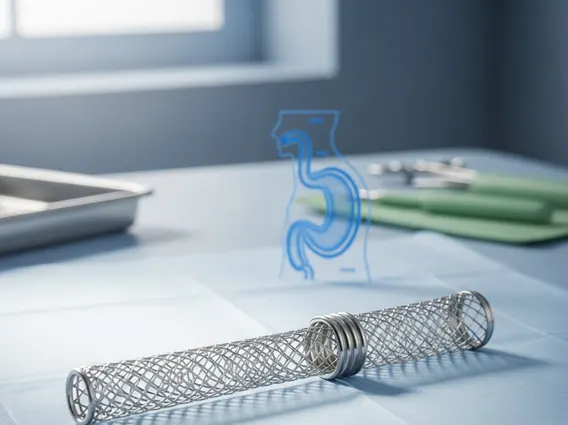
An Esophageal Stent is a flexible, tubular device inserted into the esophagus to maintain its patency. This medical intervention is primarily used to treat dysphagia, or difficulty swallowing, which can arise from various conditions such as malignant tumors, benign strictures, or esophageal fistulas. By creating an open channel, the stent allows food and liquids to pass more easily from the mouth to the stomach, significantly improving a patient’s nutritional intake and overall quality of life. The primary goal is to restore the ability to eat and drink comfortably.
These stents are typically made from self-expanding metal (SEMS) or plastic materials. Self-expanding metal stents are more commonly used due to their flexibility, radial expansive force, and ability to conform to the esophageal lumen, providing a durable solution for maintaining an open pathway. Plastic stents are also available and may be used in specific clinical scenarios, often for temporary relief, in cases of benign strictures, or when removal is anticipated sooner. The choice of stent material and design depends on the underlying condition and the patient’s individual needs.
Esophageal Stent Procedure and Care
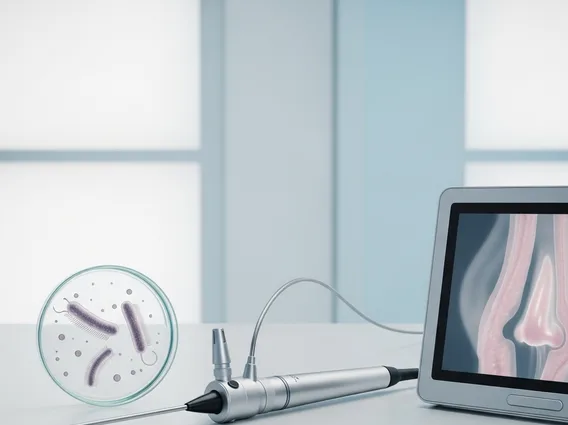
The Esophageal stent procedure involves the endoscopic placement of the stent. During the procedure, a gastroenterologist uses an endoscope—a thin, flexible tube with a camera—to visualize the esophagus and precisely guide the stent. The stent, initially compressed, is then deployed at the site of the narrowing or blockage, where it gradually expands to its full diameter. This is typically performed under conscious sedation or general anesthesia to ensure patient comfort and minimize discomfort. The entire procedure usually takes a relatively short duration, often less than an hour, and patients are monitored for a few hours afterward before discharge.
Post-procedure care is crucial for successful stent integration and patient well-being. Patients are usually advised to start with a liquid diet, gradually progressing to soft, pureed foods as tolerated over the next few days. It is important to chew food thoroughly and eat slowly to prevent food impaction within the stent. Regular follow-up appointments with the healthcare team are necessary to monitor the stent’s position and function, and to address any emerging issues or complications. Living with esophageal stent requires adherence to specific dietary guidelines and a heightened awareness of potential symptoms that may indicate a problem.
Key dietary and lifestyle considerations after stent placement include:
- Consume small, frequent meals rather than large ones to avoid overwhelming the stent.
- Chew food thoroughly to a soft, mushy consistency before swallowing.
- Avoid stringy, sticky, or fibrous foods (e.g., tough meats, bread crusts, nuts, popcorn) that can clog the stent.
- Drink plenty of fluids with meals to aid food passage and prevent blockages.
- Remain upright for at least 30-60 minutes after eating to reduce the risk of gastroesophageal reflux.
Esophageal Stent Side Effects and Management
While an esophageal stent can significantly improve swallowing, patients may experience certain Esophageal stent side effects. Common side effects include chest pain or discomfort, which often subsides within a few days of placement as the body adjusts to the stent. Gastroesophageal reflux disease (GERD) symptoms, such as heartburn or regurgitation, can also occur due to the stent potentially affecting the function of the lower esophageal sphincter. These symptoms can often be managed effectively with prescribed anti-reflux medications and dietary adjustments.
Other potential complications include stent migration, where the stent moves from its intended position, which may necessitate endoscopic repositioning or removal. Food impaction can occur if food is not chewed adequately or if certain types of food get stuck within the stent lumen, requiring urgent endoscopic intervention. In cases of malignant strictures, tumor overgrowth through or around the stent can lead to recurrent dysphagia, necessitating further intervention such as repeat stenting, argon plasma coagulation, or other palliative treatments. Patients should report any persistent pain, difficulty swallowing, fever, signs of bleeding, or black, tarry stools immediately to their healthcare provider for prompt assessment and appropriate management to prevent more serious issues.